
Battery recycling key to securing India's EV future, reports Autocar Professional
Autocar Professional argues that India's electric vehicle push will only hold up if spent batteries are recovered and reused at scale.
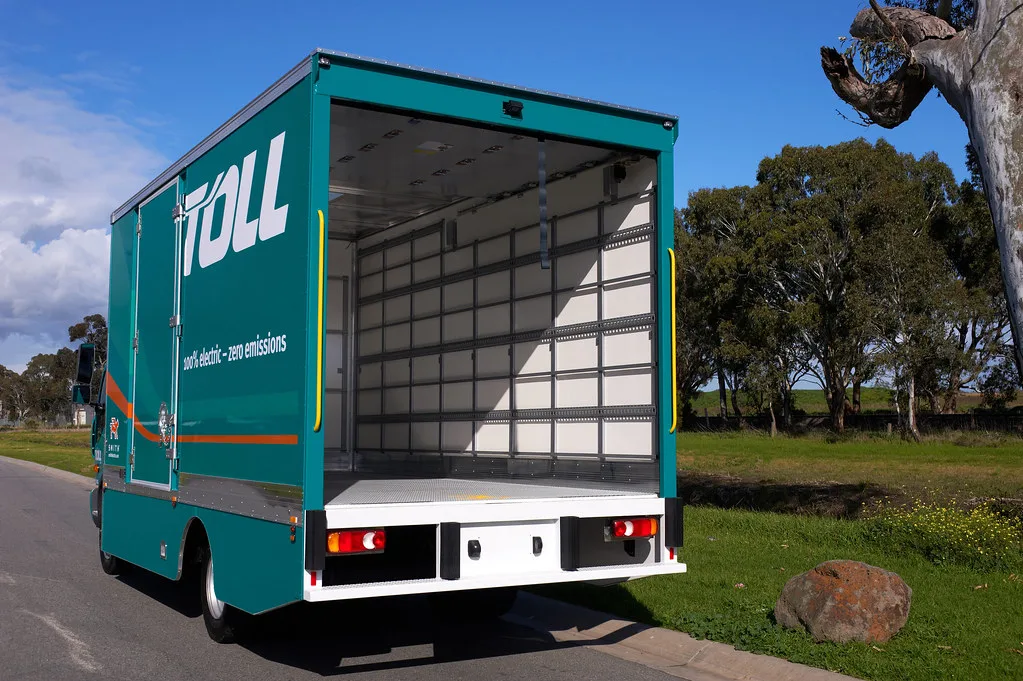
India's electric vehicle story has a loose end, and it's the battery. Autocar Professional reported on 14 November 2026 that battery recycling is key to securing the country's EV future, framing recovery of spent packs as a condition for the sector's long-term health rather than an afterthought.
The outlet's report points to a simple problem. Every electric car, scooter and rickshaw sold in India carries a lithium-ion pack that will eventually wear out. Those packs hold lithium, cobalt, nickel and manganese. Left to landfills or informal dismantlers, they become a waste and safety problem. Recovered properly, the same metals feed back into new batteries.
Why the timing matters
India's EV numbers have climbed fast over the past few years, helped by subsidies and tighter fuel-economy rules. The first big wave of packs is now ageing out of warranty. That puts a physical deadline on building collection and processing capacity.
Autocar Professional's piece makes the case that recycling isn't a side issue for the industry. It's part of the supply chain. India imports most of its lithium and cobalt, so every tonne recovered at home cuts a foreign bill. Recyclers also keep hazardous material out of the informal sector, where workers often break open packs by hand.
What the report flags
The article lays out the case for treating recycling as infrastructure, not charity. Key points from the report:
- Spent EV batteries need organised collection routes, or they'll leak into informal scrap channels.
- Recovered lithium, cobalt and nickel can offset imports and steady raw material costs for cell makers.
- Recycling capacity has to grow alongside EV sales, not years behind them.
- Policy support and clear rules on producer responsibility will decide how fast that capacity comes up.
None of this is easy. Building a recycling plant takes capital, and the economics depend on metal prices, which swing hard. Collection is messier still. Batteries sit scattered across dealers, service centres and scrap yards, and no single agency owns the problem.
Autocar Professional's report doesn't pretend otherwise. It treats recycling as one of the conditions India has to meet if the EV market is to keep growing without piling up a waste crisis behind it.
The wider stake
For a country pushing electric mobility as a route to cleaner air and lower oil imports, the battery loop is where the promise either closes or leaks. A pack that ends up in a drain in Delhi or a backyard furnace in Meerut undoes much of the climate gain it was sold on.
The report's central claim is blunt: India's EV future depends on what happens to the battery after the car is done with it. That's a supply-chain argument, a pollution argument and a jobs argument rolled into one.
The date on the report is 14 November 2026. The question it raises is already live on Indian roads.
Source: Autocar Professional · 14 Nov 2026
Comments
Be the first to comment.
Leave a comment