
Delhi Needs Cleaner, Less Congested Traffic Beyond EVs
Delhi's transport plan must add cleaner fuels, stricter emissions rules and traffic‑cutting measures to curb air pollution and gridlock.
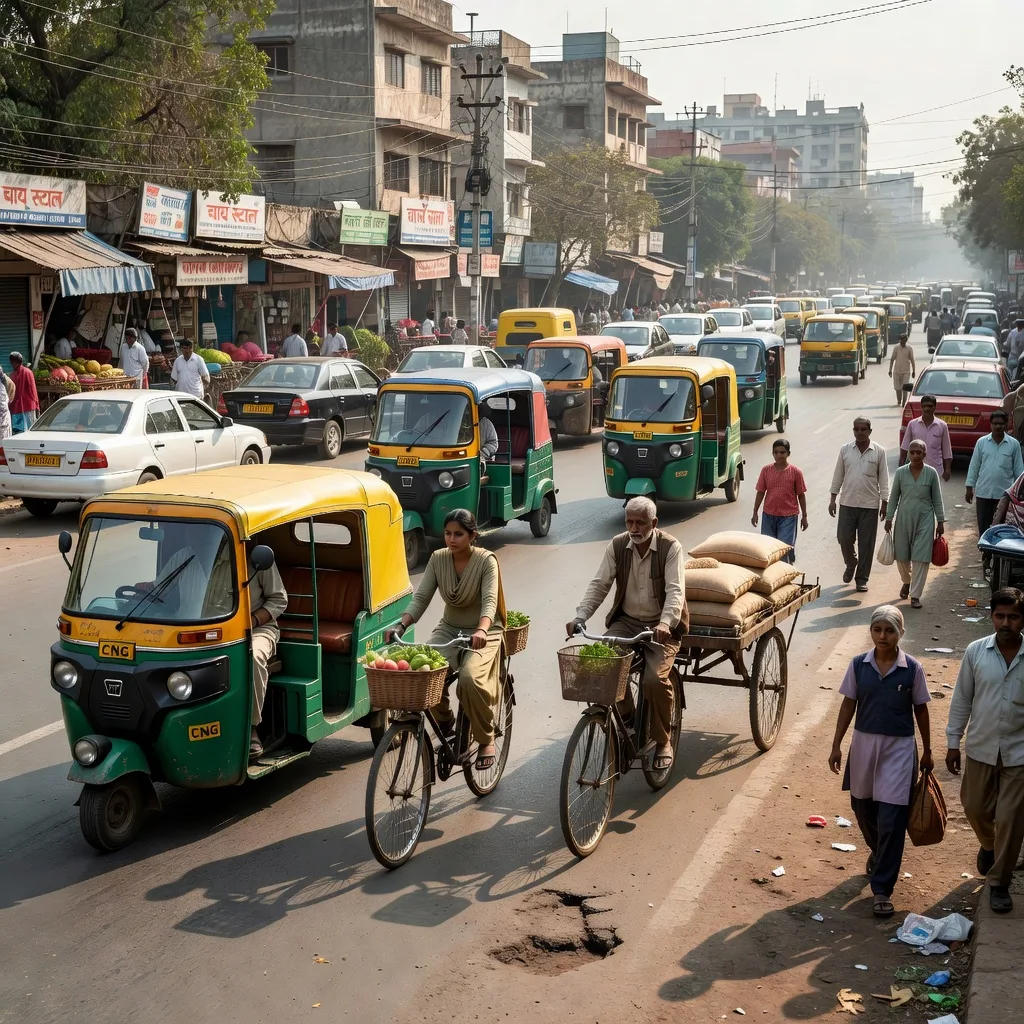
Delhi's push for electric vehicles (EVs) has drawn praise, but officials and experts say the city's policy must look beyond simply swapping petrol cars for batteries. Air quality data shows that even with a growing EV fleet, fine‑particle levels remain high because diesel buses, heavy trucks and idling traffic still dominate the roads.
Policy gaps in the current plan
The state's EV push focuses on subsidies for buyers and a target of 25 % electric two‑wheelers by 2025. While the incentives have spurred sales, they do not address other major sources of pollution. Diesel‑powered public buses, which carry the bulk of commuters, still emit large amounts of nitrogen oxides and particulate matter. In addition, the city's traffic management system has not kept pace with the surge in vehicles, leading to longer queues and higher fuel burn.
Cleaner fuel options
Experts suggest that Delhi should also promote low‑sulphur diesel, compressed natural gas (CNG) and bio‑fuel blends for buses and trucks. These fuels cut emissions by up to 30 % compared with conventional diesel and can be rolled out faster than a full EV conversion. The government could use existing fuel stations to offer CNG and bio‑fuel, reducing the need for new infrastructure.
Stricter emissions rules
New emissions standards for heavy vehicles are overdue. The city could adopt Bharat Stage VI limits for all diesel trucks and require regular on‑board diagnostics. A tiered registration fee that charges higher rates for high‑emission vehicles would push owners to upgrade or switch to cleaner options.
Traffic‑reducing measures
Less traffic means less pollution. Delhi can expand odd‑even restrictions, widen dedicated bus lanes and improve signal timing to keep vehicles moving. Encouraging a shift to public transport by offering lower fares and better service frequency would also grow ridership and shrink the number of private cars on the road.
Integrated approach needed
Policymakers must build a plan that mixes EV incentives with cleaner fuel rollout, tougher emissions checks and smarter traffic control. Without this mix, the city risks a situation where electric cars sit in long jams, still drawing power from a grid that relies heavily on coal.
In the coming months, the Delhi government will release a revised transport blueprint. Observers hope it will show a broader view that tackles both the source of pollutants and the flow of traffic, delivering cleaner air and smoother journeys for the capital's residents.
Comments
Be the first to comment.
Leave a comment