
EV penetration hits record levels across auto segments in September: Equirus
Equirus reports that electric vehicle adoption reached new highs in September across multiple vehicle categories.
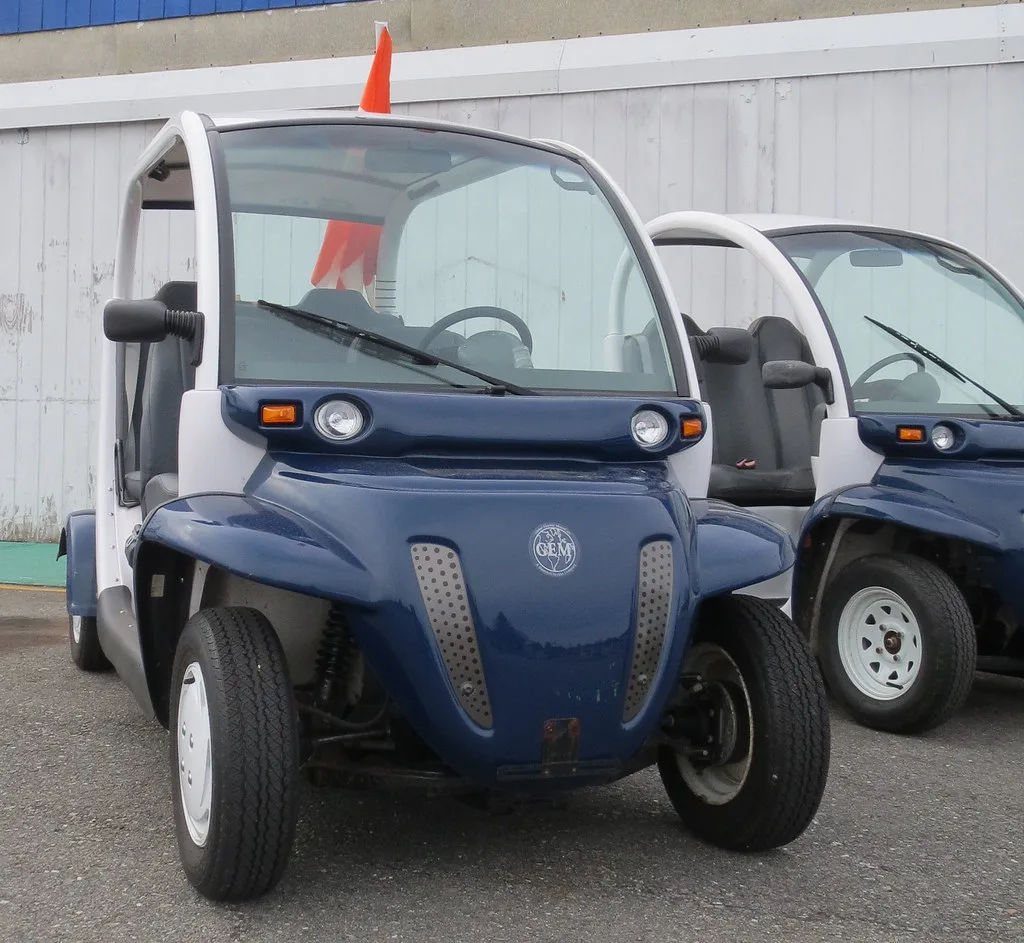
Electric vehicle (EV) penetration in India climbed to record levels in September across several auto segments, according to a report by financial services firm Equirus. The data, released on October 6, 2026, shows that EVs captured a larger share of total vehicle sales than ever before in categories including passenger cars, two-wheelers, and commercial vehicles.
While the exact percentages weren't disclosed in the summary, the report highlights a continuing trend of rising EV adoption in the country. This growth is attributed to a combination of factors, including government incentives, expanding charging infrastructure, and a growing lineup of affordable models from both established and new manufacturers.
Segment-wise performance
The report indicates that penetration hit record highs in multiple segments. In the passenger vehicle segment, electric cars are gaining traction among urban buyers, with several new launches in the past year. The two-wheeler segment, which dominates India's mobility landscape, also saw a significant uptick in electric scooter and motorcycle sales. Commercial vehicles, though starting from a smaller base, are increasingly going electric, especially in the light commercial vehicle category for last-mile delivery.
Equirus's analysis points to a broader shift in consumer preferences and policy support. The Faster Adoption and Manufacturing of Electric Vehicles (FAME) scheme and state-level subsidies have played a role in making EVs more affordable. Improvements in battery technology and falling battery prices have helped reduce the total cost of ownership.
Challenges remain
Despite the record penetration, challenges persist. Charging infrastructure is still unevenly distributed, with major cities having better access than rural areas. Range anxiety and higher upfront costs compared to internal combustion engine vehicles continue to deter some buyers. The supply chain for critical components like lithium-ion cells remains dependent on imports, though local manufacturing is gradually ramping up.
Industry watchers expect the momentum to continue, but the pace will depend on how quickly these issues are addressed. The government's push for local battery production and the recent announcement of new PLI schemes for auto components could help. However, without sustained policy support and infrastructure investment, the growth trajectory might face hurdles.
Equirus's report doesn't provide a forecast for the coming months, but the September figures set a new benchmark. As more models hit the market and charging networks expand, EV penetration could climb further. For now, the record numbers signal that electric mobility is moving from niche to mainstream in India's auto market.
Source: auto.economictimes.indiatimes.com · 6 Oct 2026
Comments
Be the first to comment.
Leave a comment