
India and Australia Look at Joint Work on Renewable Energy, Saur Energy Reports
A Saur Energy report examines how the two countries could team up on clean energy, though the details of any cooperation remain thin.
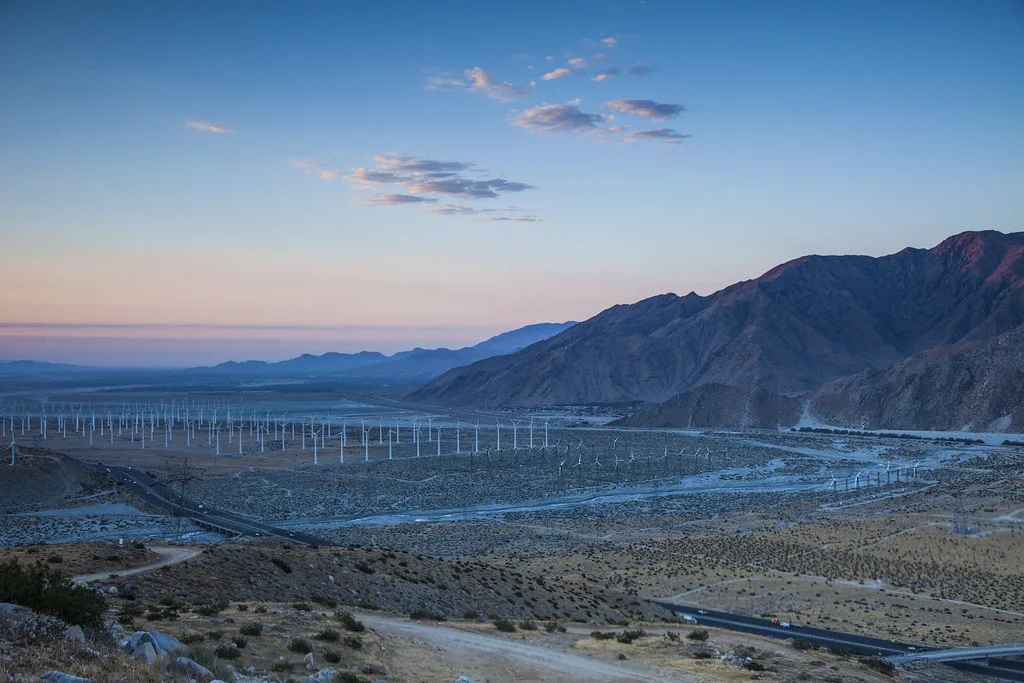
India and Australia have room to work together on renewable energy, according to a report published by Saur Energy on 16 November 2026. The piece, headlined "How India & Australia Can Work Together On Renewable Energy," sets out the case for cooperation between the two countries.
That's about as far as the public record goes. The report's summary carries no figures, no named officials and no signed agreements. What it does is frame a question: where do the two countries' energy interests overlap, and what would working together actually look like?
Why the pairing comes up at all
Both countries have built out large renewable sectors, and both are chasing the same things, cheaper power, more manufacturing at home, and fewer imported fuels. Australia sits on some of the world's best solar and wind resources. India has spent the past decade scaling solar at a pace few countries have matched, and it has a deep bench of project developers and installers.
Put those two facts side by side and the logic writes itself. Australia can generate. India can build. Whether that turns into anything more than a talking point is the open question.
The Saur Energy report doesn't answer it. It lays out the opportunity without attaching a timeline, a funding figure or a list of projects. Readers looking for a memorandum of understanding or a joint venture announcement won't find one here.
What the report leaves open
Several threads run through any India-Australia energy conversation, and the report touches the ground they cover:
- Solar manufacturing, where India has pushed domestic capacity and Australia has demand but a thin factory base.
- Critical minerals, which both countries list as strategic and which feed batteries, panels and grids.
- Green hydrogen, a sector both governments have flagged as a future export play.
- Grid and storage know-how, an area where Australia's high-renewable grid has given it hard-won operating experience.
None of these is a done deal. Each is a door that could open.
The gap between a report and a policy
It's worth being blunt about what this is. Saur Energy has published an analysis of a possible partnership, not news of one. The distinction matters in a sector where announcements get recycled as commitments within days.
Indian clean-energy watchers have seen plenty of bilateral energy language over the years. Some of it turned into supply chains and joint factories. Much of it stayed on paper. The Australia file is too early to call.
What the report does establish is that the conversation is live in the trade press. That's usually the first sign that industry players are sniffing around a market before governments formalise anything.
For now, the specifics stop at the headline. No dates, no dollar figures, no signatories. The report asks how India and Australia can work together on renewable energy. The answer, as published, is still being worked out.
Source: Saur Energy · 16 Nov 2026
Comments
Be the first to comment.
Leave a comment