
India's EV Sales Are Climbing. The Charging Network Isn't Keeping Up
BW Auto World reports that the gap between electric vehicle adoption and public charging infrastructure remains the sector's central problem.
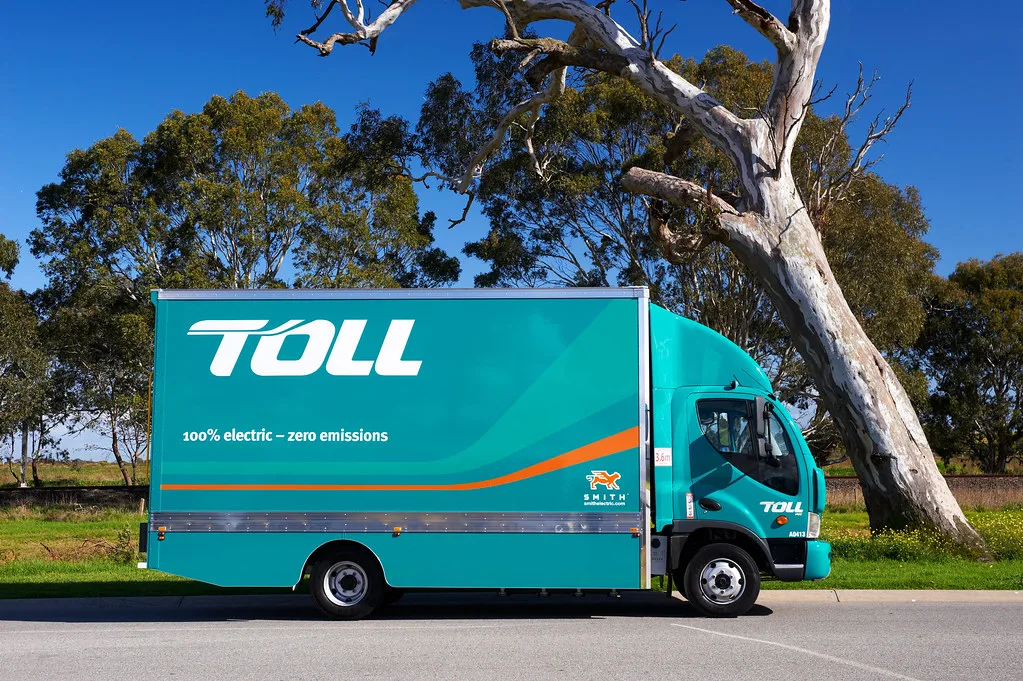
India is putting more electric vehicles on the road. The chargers are not arriving fast enough to match them. BW Auto World reported on that gap on 22 October 2026, framing charging infrastructure as the central constraint on the country's EV push.
The story is a familiar one for anyone who has watched the market. Sales of electric two-wheelers, three-wheelers and cars have grown, and with them the number of vehicles that need somewhere to plug in. Public charging points remain thin on the ground, and unevenly spread.
Where the pressure shows up
Most of India's public chargers sit in a handful of cities and along a few highway corridors. Outside those pockets, a driver planning a longer trip has few options. That matters most for cars and for the commercial fleets that run long daily distances.
Two- and three-wheelers tell a different story. They dominate India's EV numbers, and most of them charge at home or at a depot. For those owners, the public charger shortage bites less hard. For anyone buying a car, it's often the first question asked at the showroom.
The economics of a charger
Building a charging station is not cheap. Land, grid connections, transformers and equipment all cost money, and the returns depend on how many vehicles actually show up. In places where EV density is low, that maths is hard to make work. Operators have to bet on future demand rather than current traffic.
Grid connections add their own delays. A site can be ready before the power is. Discoms in several states have been slow to sanction the load a fast charger needs, and that bottleneck shows up in project timelines.
- Land and grid access remain the slowest steps in setting up a public charger.
- Utilisation is low in many locations, which stretches payback periods.
- Charging demand is concentrated in cities and along select highways.
What the policy side has done
Government schemes have pushed charger deployment, and several states offer subsidies for charging equipment and electricity tariffs for charging stations. Oil marketing companies have been adding chargers at fuel pumps. Private players have built networks in cities.
The results are real but uneven. A charger installed is not the same as a charger that works, and reliability complaints from drivers are common. Broken units and payment failures undercut confidence in public charging.
BW Auto World's report lands on the same point that has dogged the sector for a while: the vehicles and the plugs are growing at different speeds. Fixing that means getting land, power and money to line up at the same site, at the same time. Until then, range anxiety stays a sales problem, not just a technical one.
Source: BW Auto World · 22 Oct 2026
Comments
Be the first to comment.
Leave a comment