
India's installed solar capacity nears 136 GW, says Pralhad Joshi
Union minister Pralhad Joshi put the country's installed solar capacity at close to 136 gigawatts, according to DD News.
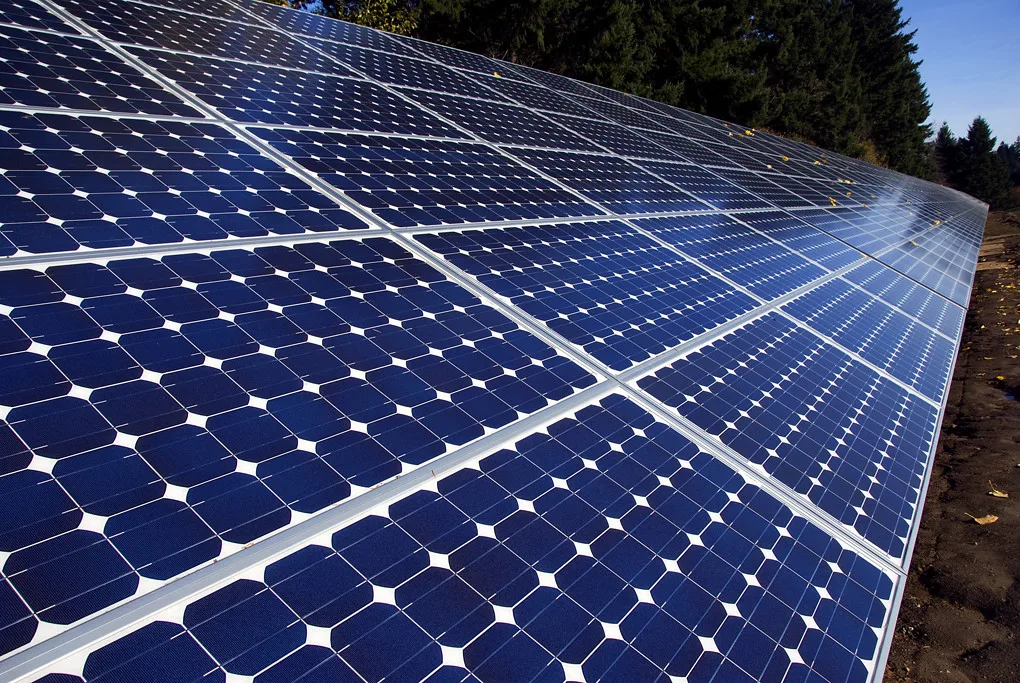
India's installed solar capacity has reached nearly 136 gigawatts. Union Minister Pralhad Joshi gave the figure, DD News reported on Thursday.
The number covers solar projects already installed and connected, not capacity that's still under construction or in the pipeline. That distinction matters. Announced capacity and built capacity are two different things, and the gap between them is where most solar targets live or die.
Joshi, who holds the new and renewable energy portfolio, has been the government's most visible voice on solar numbers through the year. The 136 GW mark puts India well past the 100 GW milestone it crossed earlier, and it keeps the country among the largest solar markets in the world by installed base.
What the number means on the ground
Installed capacity isn't the same as generation. A solar plant rated at 100 megawatts doesn't run at 100 megawatts around the clock. It produces at full tilt for a few hours a day, and less when clouds roll in or the panels get dusty. So 136 GW of panels translates to a smaller share of actual electricity than the headline suggests.
Still, the build-out has been fast. Utility-scale parks in Rajasthan, Gujarat and Karnataka carry much of the total, with rooftop systems and smaller distributed projects making up the rest. The rooftop segment has lagged the large parks for years, though it's been picking up as state subsidy schemes reach more households.
Transmission is the other half of the story. Solar parks in sunny, sparsely populated districts need lines to carry power to cities that consume it. Grid connectivity has slowed several projects, and developers have flagged delays in getting evacuation infrastructure cleared.
Where the target sits
India's renewable energy goal is 500 GW of non-fossil capacity by 2030, a figure that includes solar, wind, hydro and nuclear. Solar is expected to do most of the heavy lifting. Reaching 136 GW installed is progress toward that, but the annual addition rate has to hold steady for the next several years to get there.
Module manufacturing has grown alongside the installations. Domestic factories now make a larger share of the panels going into Indian projects, helped by import duties and an approved list of models that developers must buy from. Whether that domestic supply can keep pace with demand is an open question.
Joshi's announcement didn't come with a breakdown by state or by segment. DD News reported the aggregate figure.
The 136 GW total is a snapshot. It'll be out of date within months, as new parks come online and older ones get expanded. For now, it's the number the ministry is putting on the board.
Source: DD News · 26 Nov 2026
Comments
Be the first to comment.
Leave a comment