
India’s Solar Drive Stalls as Panel Plants Shut Down
A wave of closures at solar panel factories leaves the government scrambling and oil markets watching.
Background
Since 2022 New Delhi has pushed hard to turn the country into a global hub for solar panel production. The government offered tax breaks, cheap loans and land parcels to firms that promised to build large factories and export millions of watts of panels each year. The plan was meant to grow domestic supply, cut imports and create jobs in regions that still rely on agriculture.
Factory closures
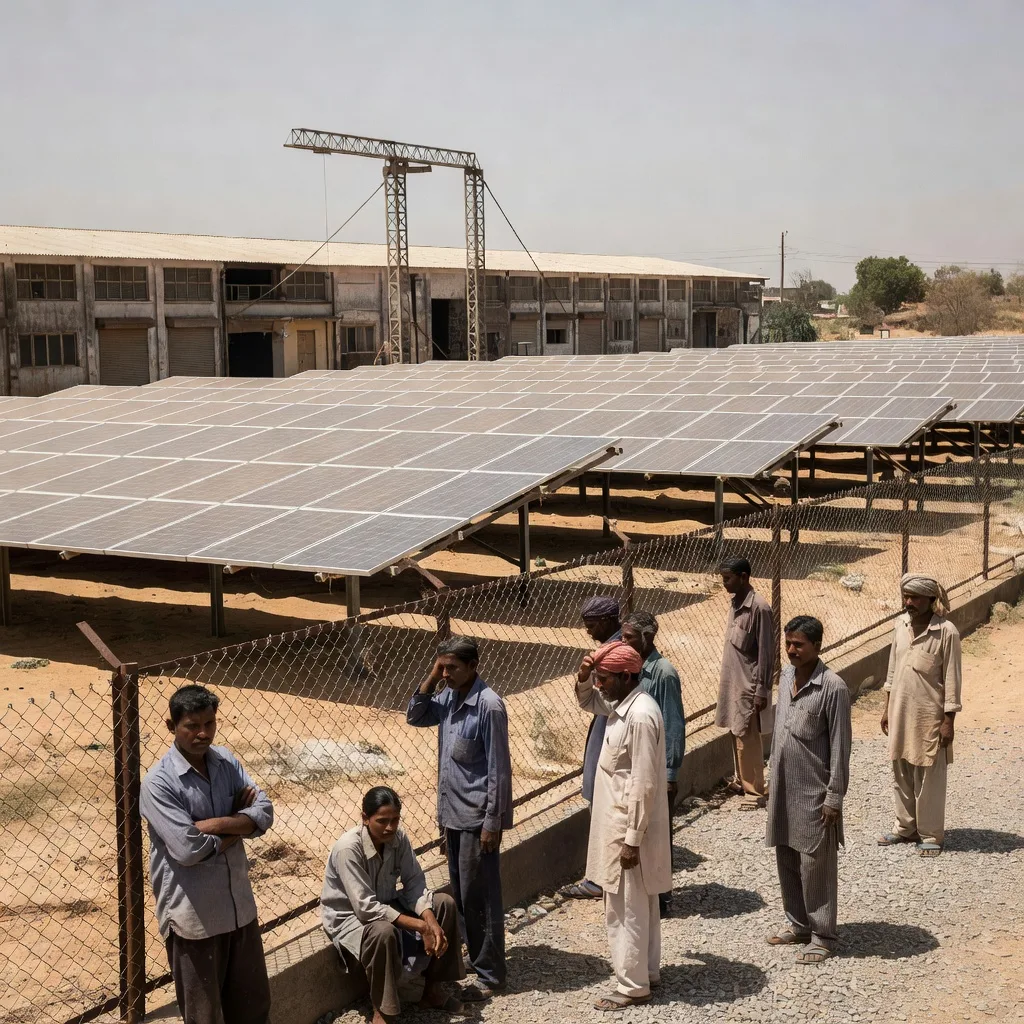
By early 2024 that optimism began to fade. Several companies reported that the cost of raw materials rose faster than the price they could charge for finished panels. A shortage of high‑purity silicon and a spike in logistics fees squeezed profit margins. In March three major plants in Gujarat and Tamil Nadu announced they would halt production for at least six months. By May a total of eight factories across the country had shut down, affecting roughly 12,000 workers.
Owners say the policy incentives were not enough to offset the market squeeze. They also point to a backlog of orders that never materialized because overseas buyers turned to cheaper producers in Southeast Asia. The closures have left empty warehouses, idle machinery and unpaid wages that local unions are trying to collect.
Impact on oil market
The slowdown in solar manufacturing has a side effect on the oil market. With fewer panels being built, demand for diesel used in transport and for petrochemical feedstocks has not dropped as fast as analysts expected. Crude oil prices on OilPrice.com held steady above $82 a barrel this week, a level that some traders say reflects the lingering need for fossil fuel inputs in a still‑growing Indian economy.
Energy analysts note that while India's renewable share is rising, the country still imports more than 80 % of its oil. The recent factory shutdowns mean that the hoped‑for shift away from oil‑based power will take longer, keeping demand for crude high.
Government response
Prime Minister Narendra Modi's office said the government will review the incentive scheme and work with industry to fix supply chain gaps. A spokesperson told reporters that new measures will focus on securing silicon imports and streamlining customs for renewable equipment.
State governments in Gujarat and Tamil Nadu have pledged to provide short‑term financial aid to affected workers and to help firms find alternative buyers. The Ministry of New and Renewable Energy said it will launch a fast‑track approval process for any new solar projects that meet stricter cost‑control criteria.
Outlook
Experts warn that the setback could slow India's goal to reach 300 GW of solar capacity by 2030. They say the country must balance ambitious targets with realistic cost assumptions and a reliable supply chain. For now, the factory doors remain shut, and the oil market watches closely as India works to get its solar push back on track.
Comments
Be the first to comment.
Leave a comment