
ISA chief at COP31: Africa can follow India's solar playbook
The International Solar Alliance wants to take India's solar scale-up model to African member states, its director general said at the climate summit.
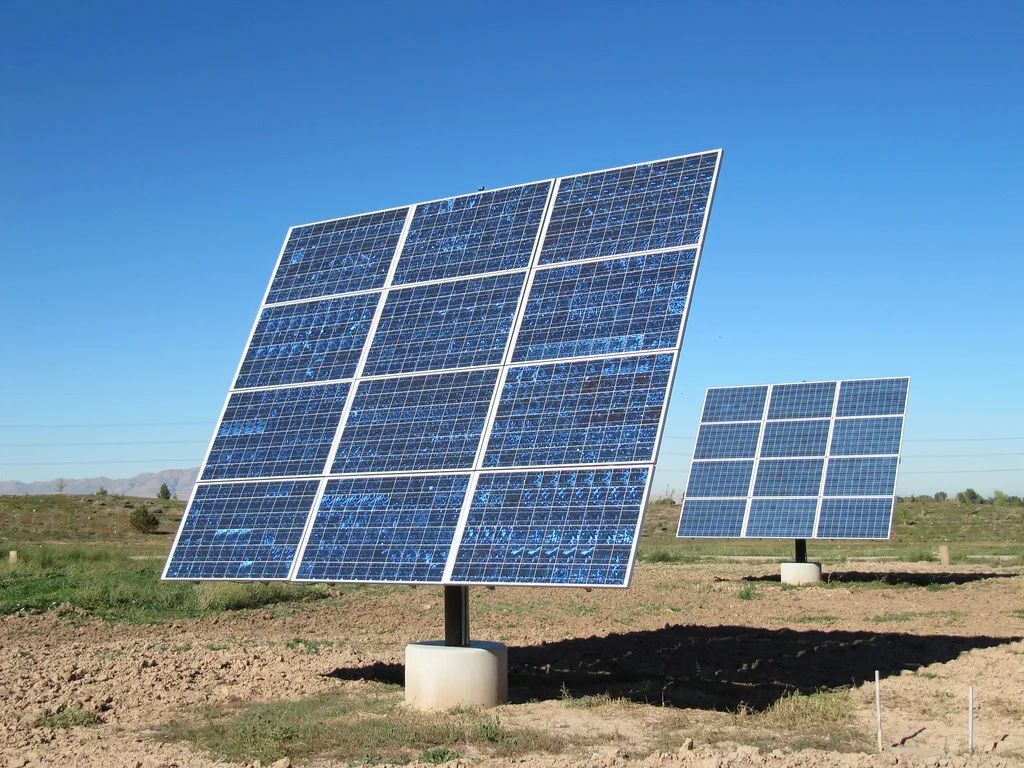
The head of the International Solar Alliance used COP31 to make a simple pitch: what worked in India can work in Africa. The alliance's director general said the bloc wants to help African member countries copy India's approach to building solar at scale, according to a report by Carbon Copy.
The remarks came on 22 November 2026, during the UN climate summit. Details of the speech were thin in the initial report. What's clear is the direction of travel. ISA sees India's solar build-out as a template, not a one-off.
Why India gets held up as the model
India's solar sector grew fast over the past decade. The country added large ground-mounted parks, rooftop systems and a domestic manufacturing base, backed by auctions and targets set by the central government. That mix of policy, cheap finance and sheer volume is what the alliance wants to export.
Africa's solar needs look different in places. Grids are smaller. Demand is spread across rural areas where mini-grids and standalone systems do more work than utility-scale parks. Financing costs run higher than in India. Land and permitting rules vary country to country.
None of that makes the Indian model useless. It makes it a starting point. ISA's member states include dozens of African countries, and the alliance has run training and capacity programmes across the continent for years.
What the alliance is actually pushing
The ISA chief's message at COP31 was about replication, not aid. The alliance frames itself as a coordinator that helps countries share technical know-how, standardise tenders and pull in cheaper capital. India is the largest contributor to that effort and hosts the alliance's secretariat.
Solar has become the cheapest new power source in much of the world, and African governments have noticed. Several have run their own auctions and set renewable targets. The gap is execution: getting projects financed, built and connected on time.
That's where the India comparison gets tested. India's success leaned on state-backed lenders, a deep pool of local developers and a single national grid. Few African markets have all three. Replicating the outcome may mean adapting the method.
The numbers behind the claim
India's installed solar capacity has crossed the 100 GW mark in recent years, with rooftop and utility-scale projects both contributing. The country has also built up module manufacturing, though it still imports cells and wafers. Africa's total installed solar capacity remains a fraction of India's, despite far greater sunlight across the continent.
ISA has set a goal of mobilising over a trillion dollars in solar investment by 2030 across its members. Whether African countries can absorb a meaningful share of that depends on grid upgrades, storage and bankable contracts.
The COP31 appearance puts the alliance's Africa push on the record. What happens next will be judged project by project, not speech by speech.
Source: Carbon Copy · 22 Nov 2026
Comments
Be the first to comment.
Leave a comment