
JLR to bring first electric vehicles to India in 2027, MD says
The Tata-owned luxury carmaker will enter India's electric market in 2027, its managing director told The Economic Times.
Jaguar Land Rover will launch its first electric vehicles in India in 2027, the company's managing director has said, marking the luxury carmaker's entry into the electric market of one of its key growth regions.
The plan, reported by The Economic Times on November 10, 2026, puts India on the map for JLR's electric line-up rather than leaving it as a later-phase market. The company is owned by Tata Motors.
Why India, and why now
India is one of the world's fastest-growing car markets, and the luxury end of it is small but climbing. Electric adoption is still low compared with China or Europe, though the government has pushed incentives and charging build-out. For JLR, a 2027 launch gives it time to set up local sales and service for battery-powered models.
The MD's comments did not include pricing, model names, or volumes. JLR has not said which of its electric models will come first to India.
A crowded ramp-up
JLR won't be alone. Mercedes-Benz, BMW, Audi and Volvo already sell electric cars in India, and Tata Motors, JLR's parent, leads the domestic electric passenger car market with models like the Nexon EV. Mahindra has also expanded its electric range.
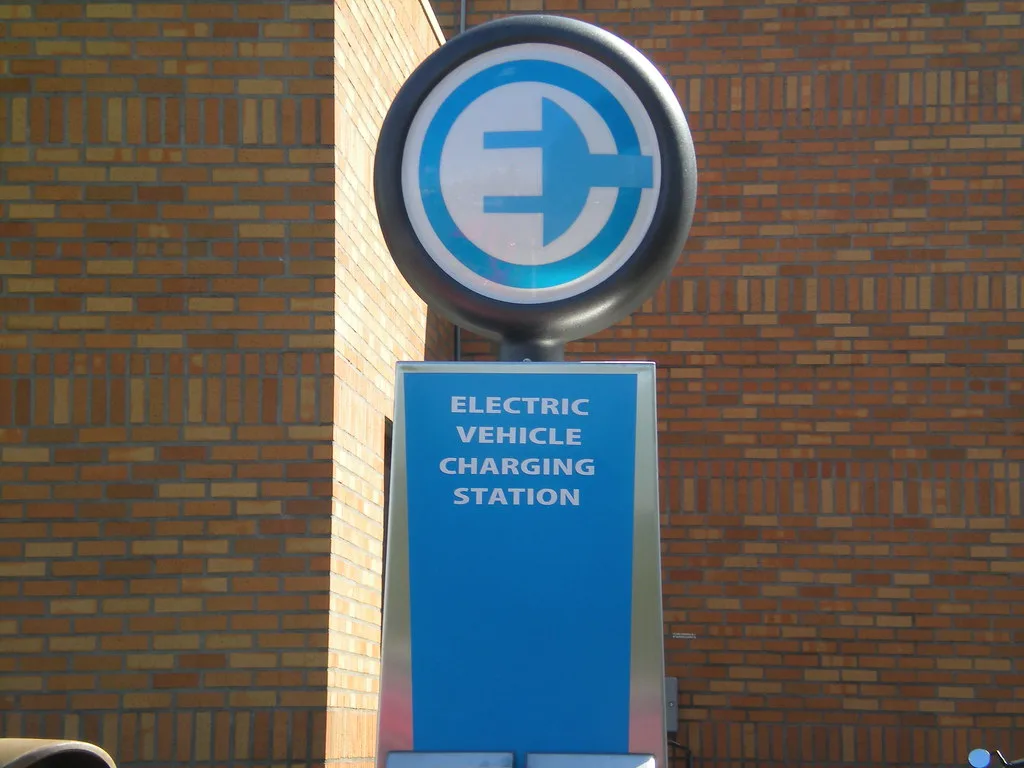
Charging remains the practical bottleneck. Most Indian EV buyers charge at home, and public fast-charging is patchy outside major cities. Luxury buyers may expect more.
What it means for the group
JLR has been slower than some rivals to go electric, and its global plans have shifted as demand for EVs cooled in some markets. Bringing EVs to India in 2027 fits a broader push to sell where growth is. Tata Motors, which owns JLR, has its own electric ambitions in India and could share supply-chain and dealer know-how.
The company has not said whether the India-bound EVs will be imported or assembled locally. Local assembly would cut import duties, which are steep on fully built cars.
For now, the date is set. The details, models, prices, and where they'll be built, are still to come.
Source: The Economic Times · 10 Nov 2026
Comments
Be the first to comment.
Leave a comment