
JSW Launches Ampstar Electric Commercial Vehicles in India
The steel-to-energy conglomerate's new Ampstar line marks its entry into India's electric commercial vehicle market.
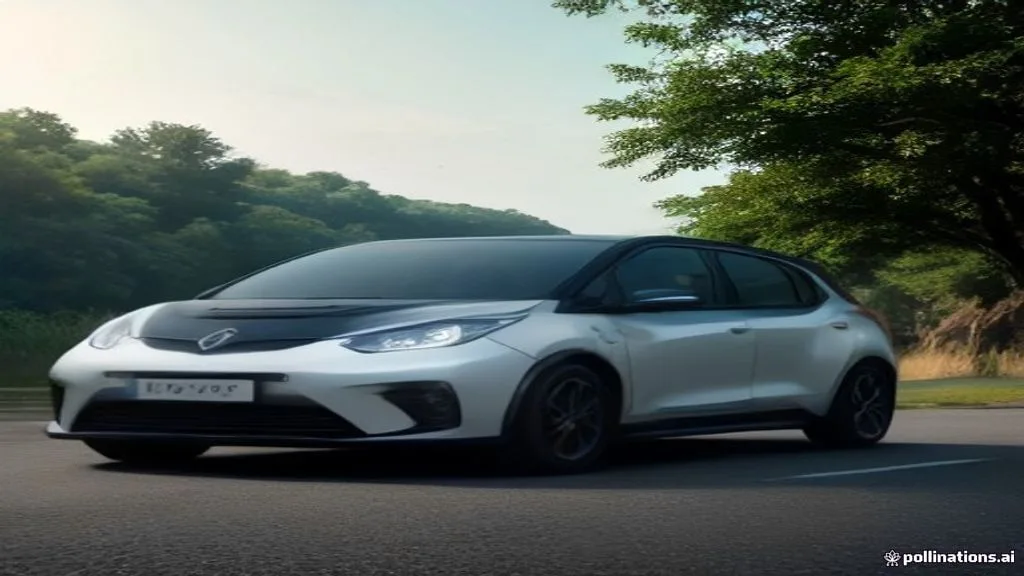
JSW has launched a new line of electric commercial vehicles under the Ampstar brand, according to a report by autoX. The debut puts the conglomerate into a segment of India's EV market that has drawn rising interest from fleet operators and logistics companies.
The report, published on 22 September 2026, did not disclose vehicle specifications, pricing, manufacturing locations, or delivery timelines. JSW has not released additional details about the Ampstar range.
JSW's move follows a broader push by Indian industrial groups into electric mobility. The company already runs businesses in steel, energy, cement, and paints, and has been building out a clean-energy portfolio that includes solar and wind generation. Commercial vehicles are a new front.
Why commercial EVs matter in India
India's commercial vehicle fleet moves most of the country's freight. Diesel trucks and buses account for a disproportionate share of transport emissions because they run long hours and cover high mileage. Electrifying even a slice of that fleet would cut both pollution and fuel import bills.
Several factors have held back adoption. Upfront costs for electric trucks and buses remain higher than diesel equivalents. Charging infrastructure along freight corridors is thin. And fleet operators worry about range, payload, and resale value.
That's starting to change. Battery prices have fallen. State and central incentives have narrowed the price gap. And logistics firms facing tighter emission norms in cities are testing electric options.
- Tata Motors already sells electric buses and small commercial vehicles.
- Ashok Leyland and Switch Mobility have electric bus programs.
- Several startups are working on electric light trucks for last-mile delivery.
JSW's entry adds a large, well-capitalised player to that list. The group's balance sheet and existing manufacturing base could give it an edge in scaling production, though the company has not said how it plans to build or sell the Ampstar vehicles.
What we don't know
Plenty. The autoX report is thin on specifics. No payload capacities, battery ranges, or charging times were given. No prices. No word on whether JSW will make the vehicles in-house or partner with an existing OEM.
Those details matter for fleet buyers. A commercial EV lives or dies on total cost of ownership, which depends on purchase price, maintenance, electricity rates, and how many years the battery lasts. Without numbers, it's hard to judge whether Ampstar will compete with established players or undercut them.
JSW has not announced a launch date for the vehicles either. The company's clean-energy arm has been expanding, and its entry into commercial EVs fits a pattern of industrial houses diversifying into green transport. But a brand debut is not the same as vehicles on the road.
For now, the Ampstar launch is a signal. JSW wants a place in India's electric commercial vehicle market. Whether it can build one will depend on execution, pricing, and the charging network that no single company controls.
Source: autoX · 22 Sep 2026
Comments
Be the first to comment.
Leave a comment