
Ola Electric Q3 Sales Jump 40% as FAME-II End Fuels Delhi-NCR Price War
The company sold 46,000 units in the quarter, helped by deep discounts and a rush to buy before subsidies vanish in March.
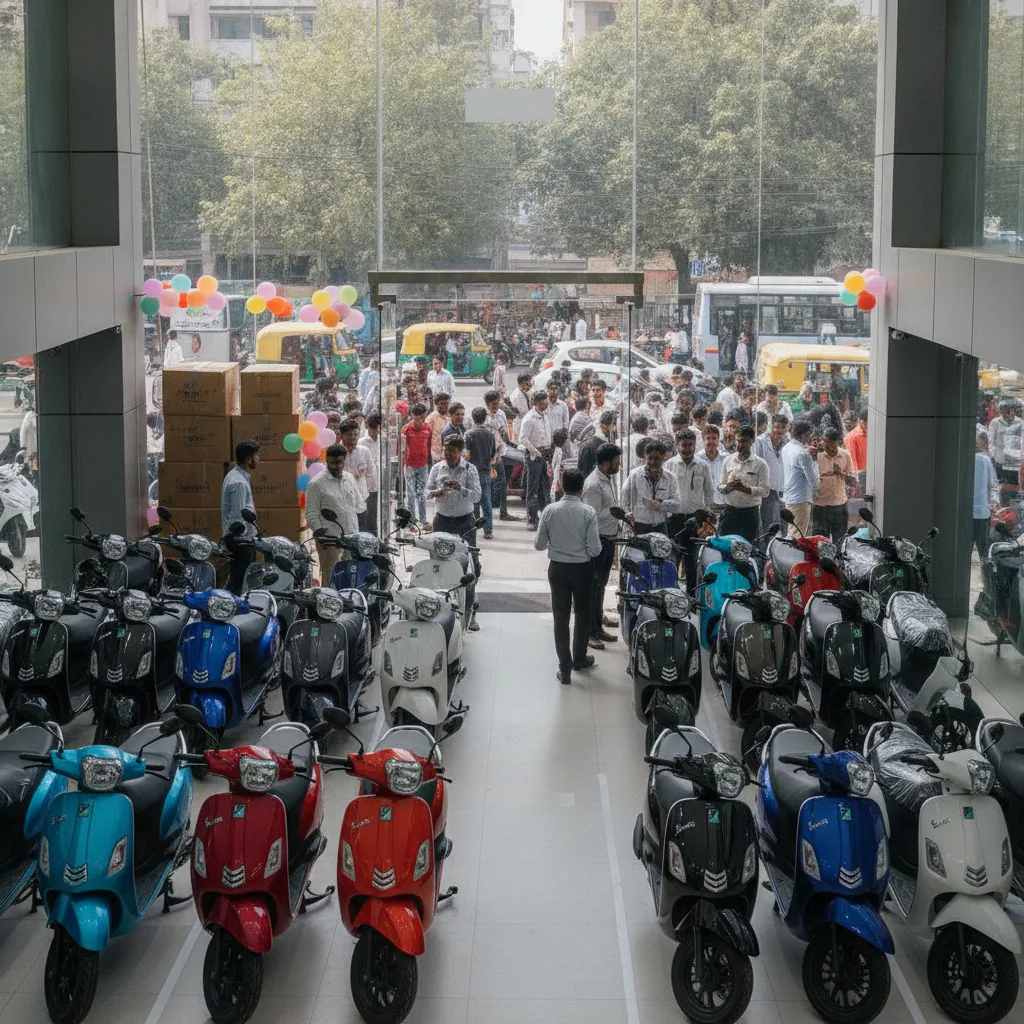
NEW DELHI, Ola Electric sold 46,000 electric scooters in the third quarter of FY25, a 40% jump from the same period last year. The surge comes as the government's FAME-II subsidy program winds down, triggering a price war in the Delhi-NCR market.
Ola cut prices by up to ₹25,000 on its S1 Pro model in November. Rivals Bajaj Auto and TVS Motor followed with their own discounts. The result: a flurry of buyers rushing to grab deals before the central subsidy ends on March 31.
"People know the ₹10,000 to ₹15,000 subsidy is going away," said Rohan Gupta, a dealer in Noida. "They're buying now."
Ola's market share in the electric two-wheeler segment climbed to 35% in December, up from 28% in September, according to data from the Federation of Automobile Dealers Associations. The company's factory in Tamil Nadu ran two shifts in December to meet demand.
Subsidy phase-out reshapes pricing
The FAME-II scheme, which gave buyers up to ₹15,000 per scooter, ends this fiscal year. The government has not announced a replacement. Without the subsidy, an Ola S1 Pro will cost around ₹1.35 lakh on-road in Delhi, about 12% more than today.
Ola's aggressive pricing forced competitors to react. Bajaj's Chetak now starts at ₹1.10 lakh, down from ₹1.25 lakh. TVS's iQube saw a ₹10,000 price cut in December. Ather Energy, which relies less on discounts, lost 3% market share in the quarter.
"The price war is squeezing margins across the board," said auto analyst Priya Sharma of ICICI Securities. "Ola can afford it because it has cash from its IPO. Smaller players cannot."
Ola Electric raised ₹6,146 crore in its August IPO. The company posted a net loss of ₹347 crore in the September quarter, wider than the ₹267 crore loss a year earlier.
Delhi-NCR leads the charge
Delhi-NCR accounted for 22% of Ola's Q3 sales, up from 16% in Q2. The region has the highest concentration of EV buyers in India, helped by state subsidies and a dense network of charging points. The Delhi government offers an extra ₹5,000 subsidy on top of the central one.
"I was waiting for Diwali discounts, but then Ola announced the price cut," said Vikram Singh, a Gurugram resident who bought an S1 Pro in December. "I saved ₹28,000 total."
Ola's service network, a pain point in earlier quarters, has improved. The company added 200 service centers in Q3, bringing the total to 1,200. Wait times for repairs in Delhi dropped from three weeks in July to five days in December.
Still, not all is smooth. Ola's customer complaints on social media rose 15% in Q3, with many users reporting battery issues in cold weather. The company says it has fixed the software bug that caused range drops.
"We are focused on quality now," said Ola Electric CEO Bhavish Aggarwal in a December earnings call. "Volume without trust is worthless."
The coming quarter will test that trust. With subsidies gone, sales in Q1 FY26 could drop 30-40%, analysts predict. Ola plans to launch a cheaper scooter, the S1 Air, in February at ₹89,999, a bid to keep buyers coming.
Comments
Be the first to comment.
Leave a comment