
Ola Electric’s S1 Scooter Recall Hits 50,000 Units – What This Means for India’s EV Subsidy Compliance
The company's recall of 50,000 S1 scooters over a software glitch raises questions about how India's EV subsidy rules handle post-sale fixes.
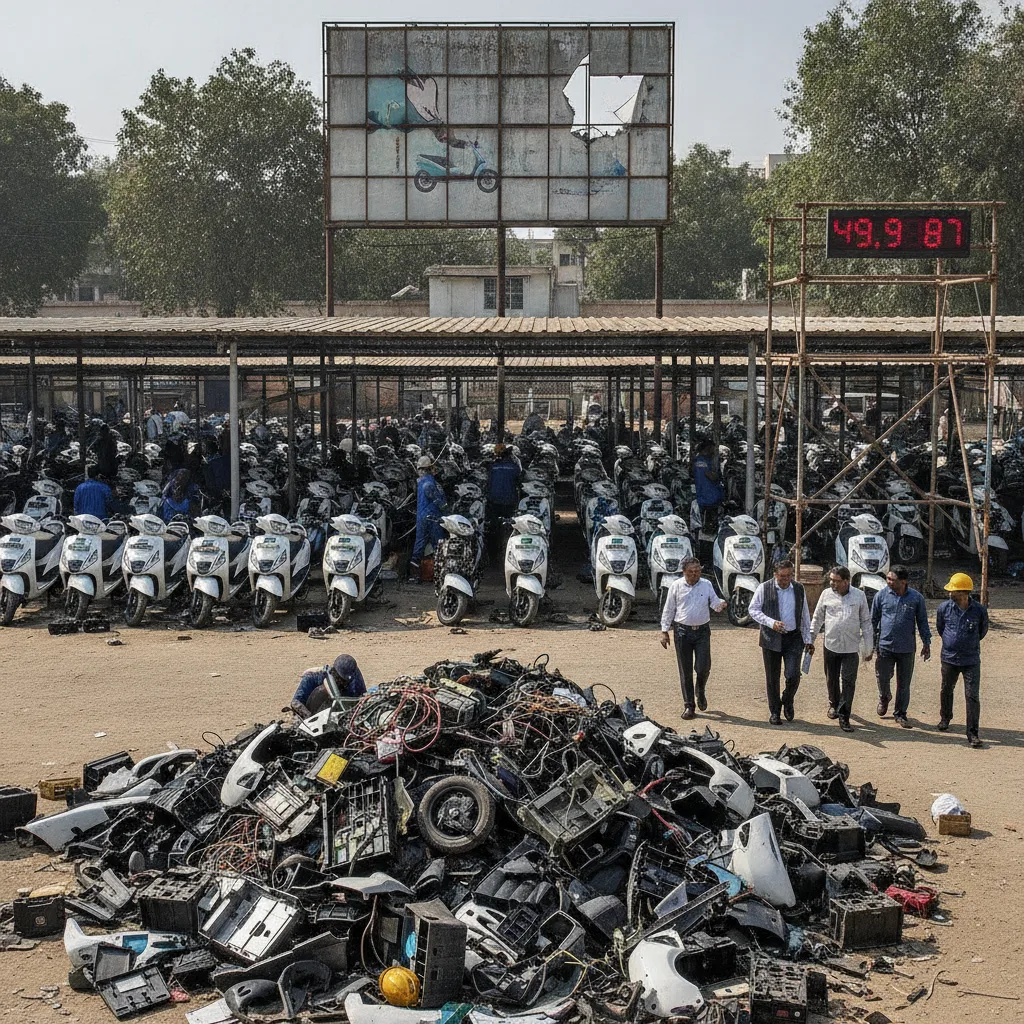
Ola Electric has recalled 50,000 of its S1 electric scooters. The company says a software bug in the battery management system could cause the scooters to stop suddenly. The recall covers units sold between March and August 2022. Ola will fix the issue with an over-the-air update.
This is the biggest recall in India's electric two-wheeler market to date. It also comes at a time when the government is tightening rules around its flagship EV subsidy program, the Faster Adoption and Manufacturing of Electric Vehicles (FAME II). Ola Electric has claimed over 1,200 crore rupees in FAME II subsidies for the S1 scooter. That money is tied to meeting performance and safety standards.
What the recall actually changes
Under FAME II rules, manufacturers must ensure their vehicles meet specific range, speed, and battery life norms. If a vehicle fails, the government can claw back subsidies. But the rules don't explicitly say what happens if a manufacturer fixes a problem after sale.
"The recall itself doesn't automatically trigger a subsidy penalty," said Ravi Singh, a policy analyst at the Centre for Energy and Transport in New Delhi. "But if the software glitch caused the scooter to underperform on range or safety, the government could argue the vehicle didn't meet the standards at the time of sale."
Ola Electric has not said whether the bug affected range or acceleration. The company told stock exchanges that the scooters are safe to ride after the update is applied. It has not disclosed how many complaints it received before the recall.
FAME II's shifting rules
The Ministry of Heavy Industries, which runs FAME II, has already tightened subsidy compliance this year. In May 2023, it ordered all EV makers to install GPS trackers and real-time data loggers. That lets the ministry verify that subsidized vehicles are actually in use and meeting performance targets. Ola Electric has complied with that order.
But the recall raises a deeper question: should subsidies cover vehicles that need a post-sale fix for a safety-related software flaw? The ministry has not issued a statement on the Ola recall. Officials at the Automotive Research Association of India (ARAI), which tests vehicles for FAME II certification, said they are looking into the matter.
Market and consumer fallout
Ola Electric's stock fell 4% on the day of the recall announcement. The company has sold over 150,000 S1 scooters since launch. The recall covers about one-third of that total. Analysts at JM Financial said in a note that the recall could hurt consumer confidence in the brand, especially among first-time EV buyers.
"Ola built its image on being a tech-first company," said Priya Mehta, an auto analyst at BloombergNEF in Mumbai. "A software recall undermines that narrative. But if the fix works smoothly, the damage may be contained."
Ola Electric's founder Bhavish Aggarwal tweeted that the company is "committed to safety above all." He did not give a timeline for the update rollout. Dealers in Bengaluru and Delhi told GreenEarth News that customers have been calling to ask about the recall. Some said they are worried about the resale value of their scooters.
What happens next
The Ministry of Heavy Industries is expected to release updated FAME II guidelines by the end of 2023. Those guidelines may include clauses on post-sale fixes and recalls. For now, Ola Electric is betting that a software patch will be enough to keep its subsidy money safe.
"If the fix is free and quick, most customers will stay," said Mehta. "But the government's patience for compliance gaps is wearing thin."
Comments
Be the first to comment.
Leave a comment