
Ola Electric's Tamil Nadu Gigafactory Faces Lithium Shortage: Q3 Targets at Risk
A supply crunch for battery-grade lithium carbonate threatens to slow output at Ola Electric's 5 GWh gigafactory in Krishnagiri, putting third-quarter production goals in doubt.
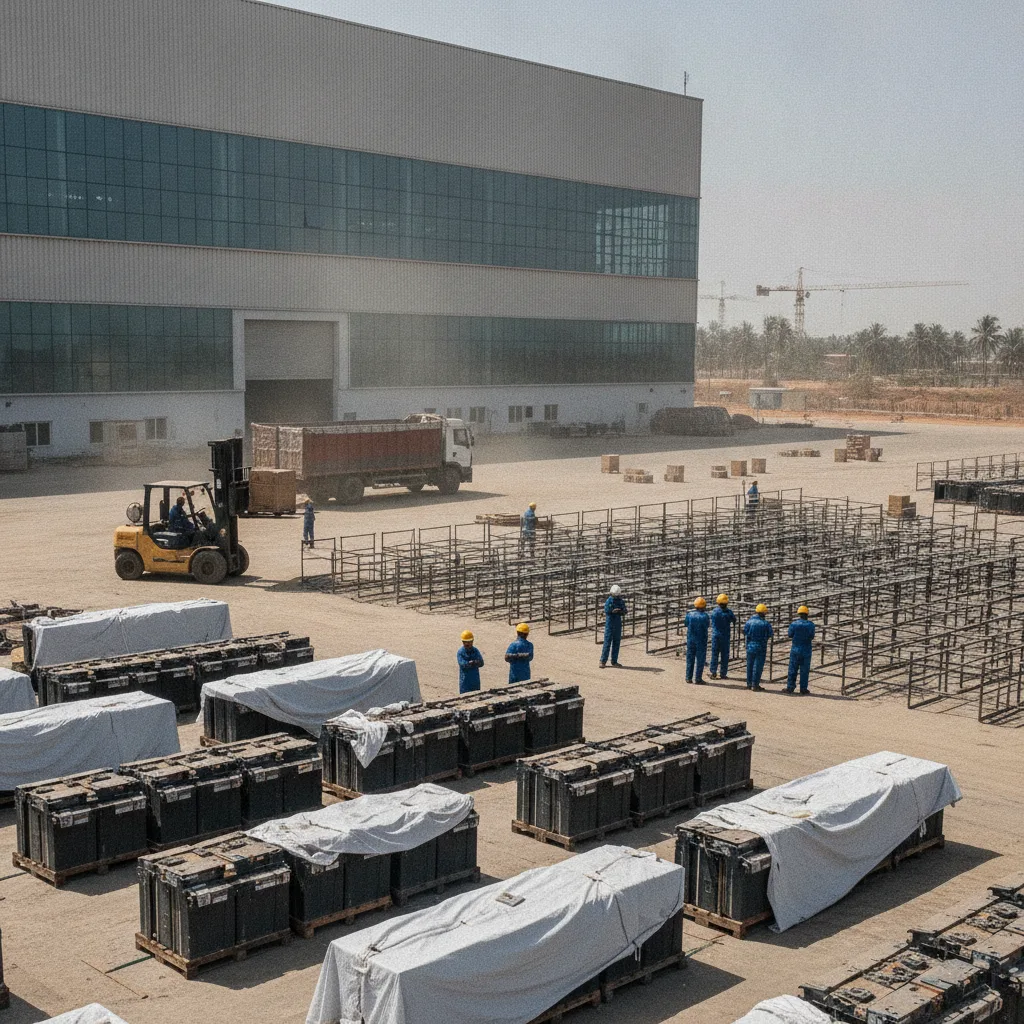
KRISHNAGIRI, Tamil Nadu, Ola Electric's shiny new gigafactory here has hit a snag. The company is scrambling to get enough lithium carbonate to keep its battery lines running. Without it, the plant may miss its Q3 production targets.
The factory, which opened in October, was supposed to churn out 5 GWh of battery cells by year-end. That's enough to power roughly 70,000 of Ola's electric scooters. But talks with suppliers have stalled, and shipments from Chile and Australia have been delayed.
"We're in a tight spot," said a factory floor manager who asked not to be named. "We have the machinery, the workers, the orders. But no lithium, no cells."
Why the shortage hit now
Global lithium prices have fallen 70% since early 2023, after a two-year boom. That price drop pushed several smaller miners in Latin America to cut output. At the same time, Indian battery makers, Ola, Tata Motors, and others, are all trying to buy at once.
Ola Electric had signed a deal with an Australian lithium supplier last year. But that supplier, Liontown Resources, faced its own financing delays. Deliveries were pushed back from September to December. Now the company says it can only send half the agreed volume in Q4.
"It's a buyer's market in name only," said R. Sridhar, a battery supply chain analyst at ICRA in Mumbai. "Prices are low, but the material isn't flowing. New refineries take years to build. India's demand is rising faster than the world can supply."
Ola's chief supply officer, Ankit Jain, told investors last week that the company is "working to secure alternative sources from Africa and recycled lithium." He did not give a timeline.
What missing the target means
Ola Electric has set a goal of selling 500,000 EVs in the next fiscal year. The gigafactory is central to that plan. It makes cells for the company's S1 and S1 Pro scooters, which account for 30% of India's electric two-wheeler market.
If the factory runs below capacity in Q3, Ola may have to buy more cells from Chinese suppliers, a move that would eat into margins. The company already posted a net loss of ₹347 crore in the September quarter. Higher cell costs would make that worse.
Analysts at Kotak Institutional Equities cut their Q3 delivery estimates for Ola by 15% last week, citing the lithium crunch. They now expect the company to ship 38,000 vehicles instead of 45,000.
"Missing production targets in a growth market like India is a serious signal to investors," Sridhar said. "It's not just about this quarter. It's about trust in the company's vertical integration story."
What Ola is doing now
Ola has sent a team to Zimbabwe to negotiate a direct offtake deal with a small lithium mine there. It is also testing a process to recover lithium from old batteries at its Bengaluru R&D center. That recycling line, if scaled, could cover 10% of the factory's needs by 2026.
For now, the plant is running at 60% capacity. Workers are on standby. The company says it will update the market on Q3 numbers in January.
"We built this factory to make India self-reliant in cells," Jain said. "But self-reliance takes time. Right now, we need lithium, and we're chasing it wherever it is."
Comments
Be the first to comment.
Leave a comment