
Rooftop solar is now an asset that earns, says Ashish Khanna
The industry veteran's remark, reported by The Week, frames rooftop solar as an income-generating asset rather than a cost-saving add-on for Indian homes and businesses.
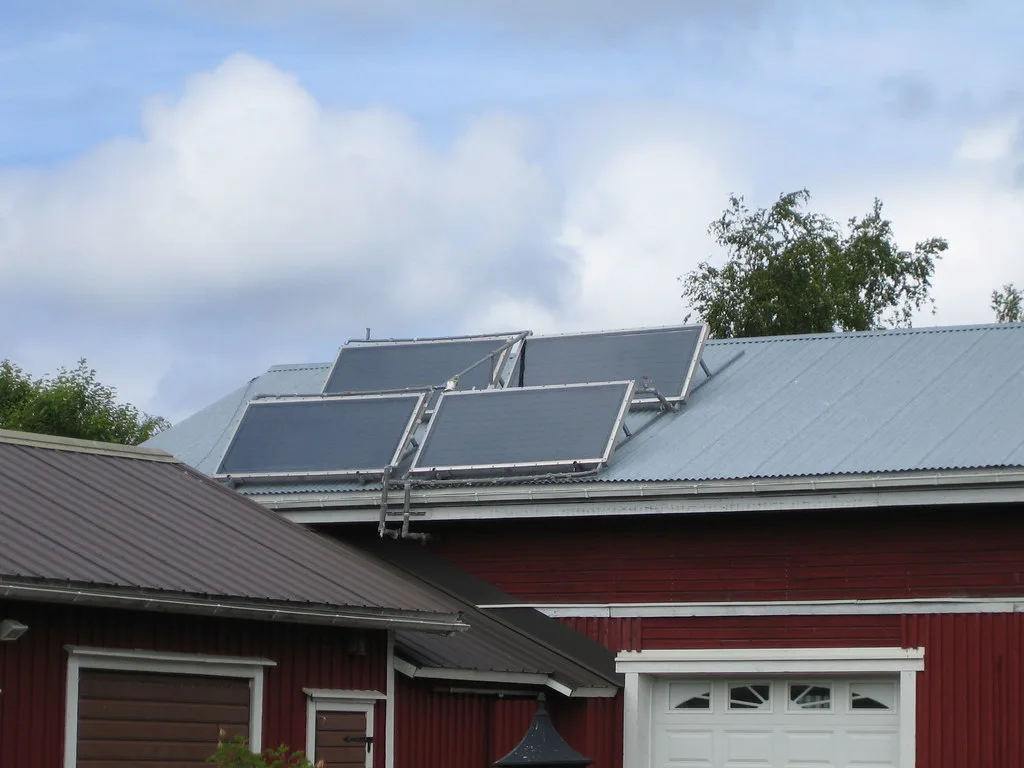
Rooftop solar has crossed a line. It is no longer just a way to trim a electricity bill. In remarks reported by The Week, Ashish Khanna said rooftop solar has become an asset that earns.
The quote is short. The shift behind it is not. For years, Indian rooftop solar was sold as a cost-saving device: put panels on your roof, cut your monthly bill, wait a few years to break even. Khanna's framing puts the emphasis somewhere else. A rooftop system that exports surplus power to the grid, or offsets a commercial unit's daytime draw, puts money back in the owner's hands.
Why the framing matters
India's rooftop solar story has run well behind its utility-scale buildout. Large ground-mounted parks have added gigawatts at a steady clip. Rooftops have lagged, held back by financing, patchy net-metering rules and a simple trust problem: homeowners aren't sure the panels will pay off.
Calling the system an earning asset changes the pitch. It moves the conversation from payback periods to returns. That matters for the people who actually sign the cheques, whether it's a household in Pune or a textile unit in Coimbatore.
The economics have moved in that direction. Module prices have fallen hard over the past few years. Net-metering and gross-metering frameworks, where they work, let owners bank credits for the power they send back. For commercial and industrial rooftops, the case is even sharper. Daytime power from the grid is expensive. Daytime power from your own roof is cheaper, and the surplus can be sold.
The gaps that remain
None of this is automatic. Rooftop solar still depends on how quickly a state's discom processes a connection, how fairly it credits exports, and whether a bank will lend against the system. Those are policy questions, not technology questions.
Khanna's remark lands in that gap. It's a signal from inside the industry that the product is ready. The paperwork and the financing are what decide whether the asset actually earns.
The Week reported the comment on November 1, 2026.
Source: The Week · 1 Nov 2026
Comments
Be the first to comment.
Leave a comment