
Sahaj Solar plans 1.8-GWh battery factory as storage push widens
The Indian solar firm is moving into battery energy storage with a 1.8-GWh manufacturing plan, according to a Renewables Now report.
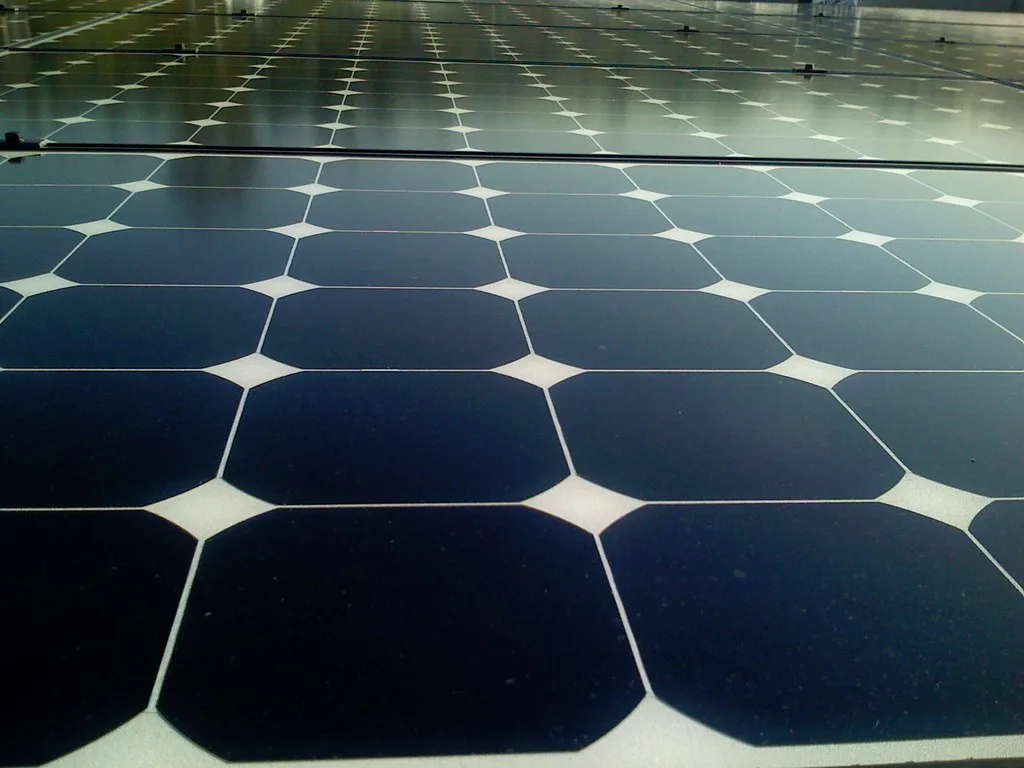
Sahaj Solar is planning a battery energy storage system factory with 1.8 GWh of annual capacity, according to a report by Renewables Now. The Gujarat-based solar company is best known for making PV modules. The storage plant would be its first move into batteries at manufacturing scale.
The report did not give a location, a timeline or an investment figure for the plant. Sahaj Solar has not put out a detailed statement on the plan. GreenEarth News could not independently confirm the capacity figure or the schedule.
Why a module maker wants batteries
India's grid is adding solar and wind faster than it is adding storage. That leaves a gap. Solar farms generate through the middle of the day, and the grid has to absorb the surge. Batteries smooth that out and shift supply into the evening peak.
The government has been pushing domestic cell and pack manufacturing through production-linked incentives. Storage has its own scheme, and it's smaller than the one for solar modules. Developers still import most cells. A 1.8-GWh line would be a modest slice of the country's expected demand, but it would be domestic capacity all the same.
For Sahaj Solar, the logic is vertical. The company already sells to utilities and commercial rooftops. Pairing panels with storage lets it bid for round-the-clock supply contracts, which are now common in tenders. Those contracts need both generation and a battery.
What's still unclear
Several basics are missing from the public record.
- Where the factory will sit, and whether it will be built near Sahaj's existing module lines.
- When construction starts and when the first cells or packs roll out.
- Whether the company will make lithium-ion cells, assemble packs, or do both.
- Who is supplying the technology, and whether a foreign partner is involved.
Cell manufacturing is the hard part. It needs clean rooms, dry rooms and steady process control. Pack assembly is easier and cheaper to set up. Most Indian entrants have started with packs and moved to cells later. The Renewables Now report doesn't say which route Sahaj is taking.
Raw material supply is another question. India has no large lithium mines in production. Cell makers here rely on imported cathode and anode material, mostly from China. That dependence has shaped the cost curve for every domestic battery plan announced so far.
A crowded field
Sahaj Solar won't be alone. Reliance, Adani, JSW and Tata group firms have all announced battery or cell plans. Ola Electric has been building cells for its scooters. Amara Raja and Exide are expanding into lithium. Most of these are bigger than 1.8 GWh.
That doesn't make the Sahaj plan pointless. Smaller lines can serve niche buyers: commercial rooftops, telecom towers, small industrial parks. A module maker with an existing dealer network can sell storage to the same customers it already serves.
The company listed on the NSE in 2024. Its order book has leaned on government-linked solar tenders. Storage would diversify that mix, if the plant gets built.
For now, the plan is a plan. No groundbreaking date, no signed technology partner, no confirmed site. The 1.8-GWh figure is the only hard number in the public domain, and it comes from a single trade report.
Source: Renewables Now · 20 Oct 2026
Comments
Be the first to comment.
Leave a comment