
Supreme Court rules on GST treatment of solar equipment
The ruling settles how solar goods are taxed, with implications for developers and state revenue.
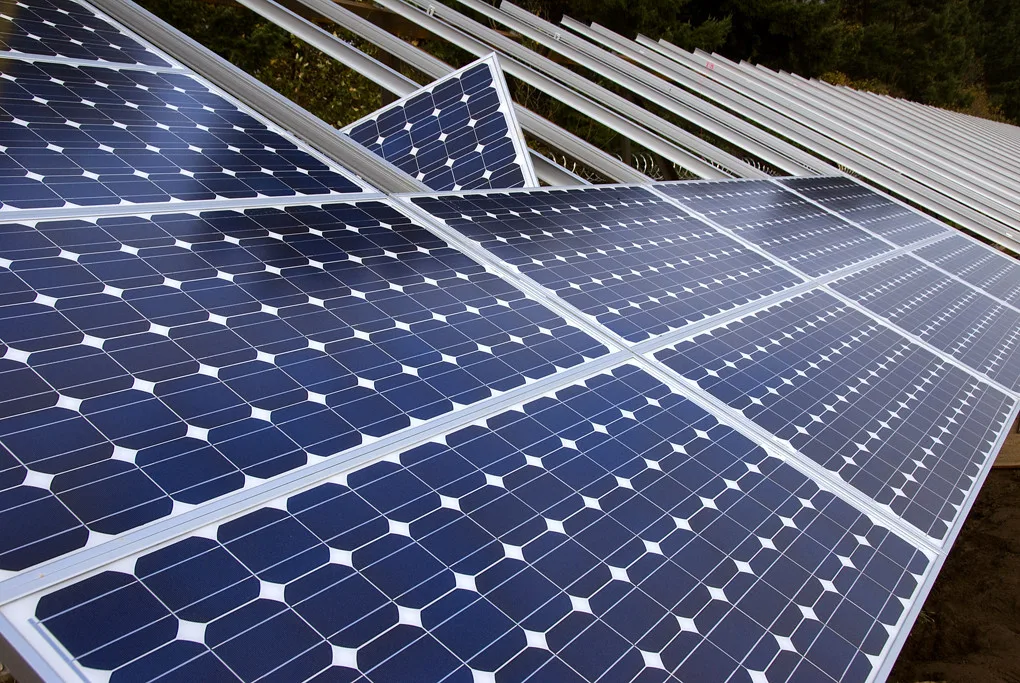
The Supreme Court has clarified how the goods and services tax applies to solar equipment, according to a report by Global VAT Compliance published on 20 November 2026. The decision closes a question that had been running through India's tax tribunals and high courts.
The case turned on classification. Solar modules and related equipment sit at the centre of a dispute over whether they fall under one GST slab or another, and how composite supply rules apply when a developer installs a plant rather than simply selling hardware.
Global VAT Compliance reported the ruling but did not disclose the specific rate or the parties involved in its summary.
Why the classification matters
India taxes solar goods across multiple rates. Modules and cells have moved between slabs since the GST rollout in 2017. Each shift changes project costs, and developers have long complained that uncertainty makes financial modelling harder.
For a utility-scale plant, the difference between an 8% and a 12% rate on modules runs into crores. For rooftop installers, it can decide whether a job is profitable.
The Supreme Court's clarification gives both sides a fixed reference point. Tax authorities now have a ruling to apply when assessing similar cases, and developers have something firmer to build contracts around.
What the ruling does
The court addressed how to treat a supply that bundles goods with services. In solar, that means the difference between selling a module and delivering a working plant. The first is a straightforward goods transaction. The second involves installation, commissioning and often civil work.
Global VAT Compliance's report frames the decision as a clarification rather than a new levy. That distinction matters. A clarification applies to existing disputes and pending assessments. A new levy would have reset the clock.
Developers who have been holding back on pricing decisions now have a basis to move forward. States that had taken a different view in their own assessments will need to revisit those positions.
The wider tax picture
Solar equipment has been one of the more contested areas of India's indirect tax regime. The GST Council has revised rates on renewable energy components more than once. Each revision produced a wave of litigation as companies tried to fit their supply chains into the new definitions.
The Supreme Court's intervention should slow that cycle. It won't stop it. New business models, particularly in rooftop solar and battery storage, will keep throwing up fresh classification questions.
For now, the ruling gives the industry something it has asked for repeatedly: a final word from the top court on how solar supplies are taxed.
Global VAT Compliance published its report on the decision on 20 November 2026.
Source: Global VAT Compliance · 20 Nov 2026
Comments
Be the first to comment.
Leave a comment