
Volvo India Pauses PHEV Launch, Cites High Taxes and Weak Demand
The Swedish automaker says plug-in hybrids don't make sense in India right now, even as it pushes ahead with electric SUVs.
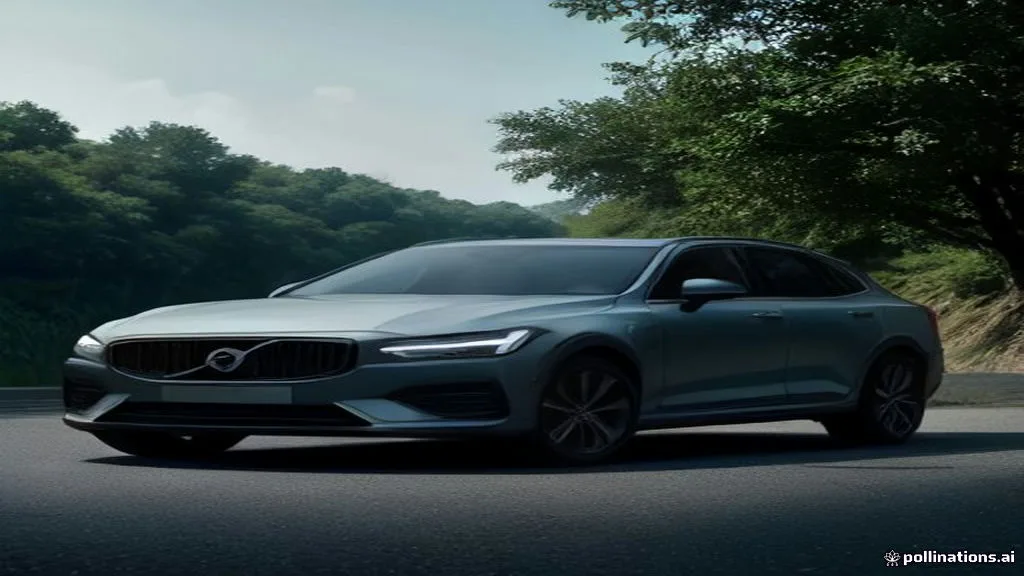
Volvo India has no plans to bring plug-in hybrid electric vehicles (PHEVs) to the country anytime soon. The company blames high taxes and uncertain consumer demand, according to a report by Autocar India.
PHEVs combine a petrol engine with a battery that can be charged from a wall socket. They offer some electric-only range but still burn fuel. In many markets, they serve as a bridge between conventional cars and full EVs. In India, that bridge looks shaky.
"The tax structure doesn't favour PHEVs," a Volvo India spokesperson told Autocar India. "And we're not sure there's enough demand to justify the investment."
India taxes cars based on length, engine size, and fuel type. Fully electric vehicles attract just 5% GST. Most petrol and diesel cars face 28% GST plus cess that can push the total past 45%. PHEVs, which have both an engine and a battery, often fall into the higher bracket. That makes them expensive to buy and hard to sell.
Volvo already sells the XC40 Recharge and C40 Recharge electric SUVs in India. Both are fully electric. The company says it will focus on those models instead of adding plug-in hybrids.
"Our strategy is clear: go electric," the spokesperson said. "PHEVs are not part of that plan for India."
Other automakers have also stayed away from PHEVs in India. Toyota sells the Prius hybrid, but it's not a plug-in. Honda offers the City e:HEV, a strong hybrid that can't be charged externally. Neither qualifies for the lower EV tax rate.
Globally, PHEV sales have grown in Europe and China, helped by subsidies and stricter emission rules. In India, those incentives don't exist. The government's FAME II scheme supports electric buses, charging stations, and some electric two- and three-wheelers. It does not cover PHEVs.
Volvo's decision comes as India pushes for more electric mobility. The country wants 30% of new vehicle sales to be electric by 2030. That goal covers passenger cars, two-wheelers, and buses. But the road is bumpy. Charging infrastructure remains thin outside major cities. Battery costs are high. And consumers still worry about range.
For now, Volvo India will watch and wait. The company says it will review the PHEV case if taxes change or demand picks up. Until then, its showrooms will stick to pure electrics.
"We're not ruling it out forever," the spokesperson said. "But today, it doesn't make business sense."
Source: Autocar India · 13 Oct 2026
Comments
Be the first to comment.
Leave a comment