
125 kW Hybrid Inverters: Why India’s C&I Solar Market Is Moving to a New Power Class
A new inverter class is gaining traction in India's commercial and industrial solar segment, promising lower costs and smarter grid interaction.
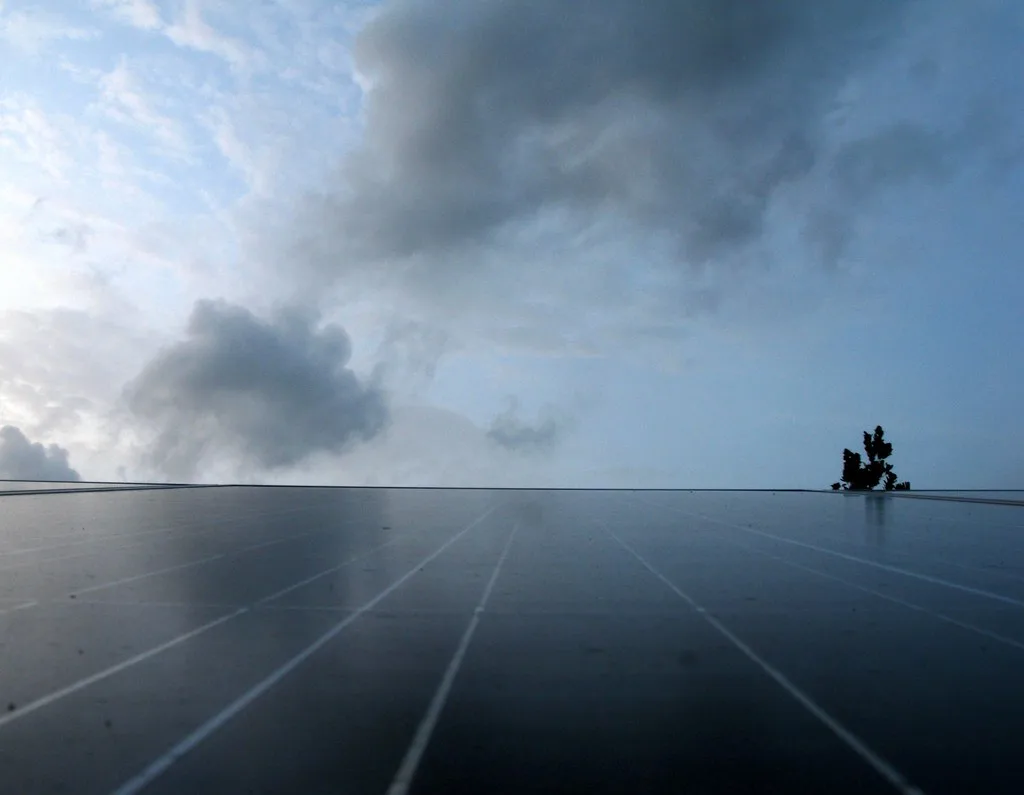
India's commercial and industrial (C&I) solar market is shifting toward a new power class: 125 kW hybrid inverters. The trend, reported by Saur Energy on September 17, 2026, points to growing demand for higher-capacity inverters that can handle both solar generation and battery storage.
Until recently, many C&I installations relied on 100 kW or smaller inverters. The jump to 125 kW means fewer units per project, simpler wiring, and lower balance-of-system costs. For factories, warehouses, and offices looking to cut power bills, that matters.
Hybrid inverters add another layer. They manage solar panels, batteries, and the grid in one box. That flexibility helps businesses store excess solar for evening use or backup during outages. With grid tariffs rising and diesel gensets under scrutiny, the appeal is clear.
Why 125 kW?
Three forces are pushing this class forward. First, module wattages are climbing. More power per panel means string sizes grow, and inverters must keep up. Second, battery prices are falling, making hybrid systems more affordable. Third, discoms are tightening rules on grid injection, so self-consumption and storage become more attractive.
Inverter makers have noticed. Several Indian and global brands now offer 125 kW hybrid models tailored to the C&I segment. These units often come with multiple MPPT trackers, high efficiency ratings, and remote monitoring. Some support seamless backup transition, a key selling point for industries with sensitive loads.
"The C&I segment is looking for solutions that reduce complexity and improve returns," said an industry observer familiar with the trend. "125 kW hybrid inverters fit that bill."
Cost and performance
A higher power class doesn't automatically mean lower cost per watt. But system designers say fewer inverters translate to less cabling, fewer combiner boxes, and faster installation. Over a 25-year project life, those savings add up.
Performance also improves. Hybrid inverters can shift solar energy to batteries during peak tariff hours, cutting demand charges. For a mid-sized factory paying Rs 8-9 per unit, that can shave 20-30% off the monthly bill, according to installers.
Still, challenges remain. Battery costs, though falling, are still high for many C&I customers. And not all states have clear net-metering or storage policies. Without supportive regulation, the payback period can stretch beyond five years.
What's next
Industry watchers expect the 125 kW class to grow as more Indian states revise their solar policies. The Ministry of New and Renewable Energy has been pushing for greater adoption of storage in C&I. If that momentum continues, 125 kW hybrid inverters could become the default choice for mid-sized projects.
For now, early adopters are watching. As one installer put it, "The technology is ready. The market is catching up."
Source: Saur Energy · 17 Sep 2026
Comments
Be the first to comment.
Leave a comment