
Amazon to put $7 billion into India's renewable energy sector by 2030
The e-commerce giant's India clean-energy pledge lands as the country races to meet its 500 GW non-fossil target.
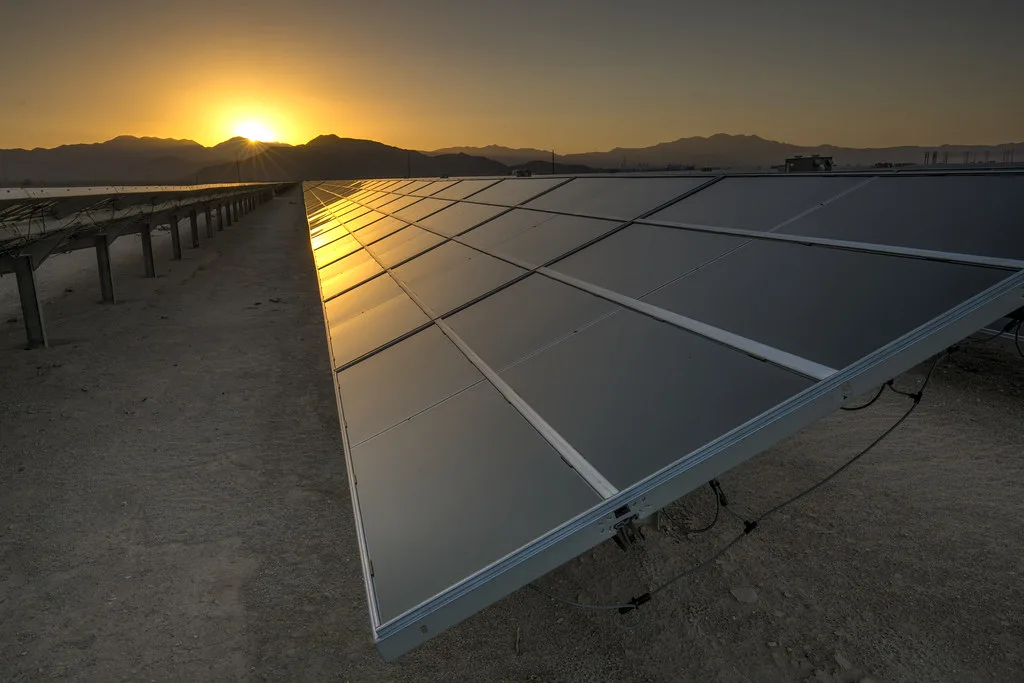
Amazon plans to invest $7 billion in India's renewable energy sector by 2030, according to a report by Asian Power. The figure covers the company's clean-energy build-out in the country over the rest of the decade.
The announcement adds a large private-sector name to India's power transition. The country is working toward 500 GW of non-fossil-fuel capacity by 2030, a target that needs steady capital from both utilities and corporate buyers.
Why a retailer is buying power plants
Amazon's interest in Indian renewables isn't charity. Large electricity users with round-the-clock loads, data centres, warehouses, fulfilment centres, sign long-term power purchase agreements to lock in tariffs and cut exposure to volatile grid prices. Those contracts give developers the revenue certainty they need to reach financial close.
The company has been one of the world's biggest corporate buyers of clean power, and India is a core market for its operations. Its fulfilment network in the country has expanded fast, and each new facility adds to its electricity demand.
Seven billion dollars is a big number. How it gets deployed matters more. Corporate renewable deals in India have leaned heavily on solar and, increasingly, wind-solar hybrids with storage. Open-access rules, land availability and transmission connectivity will decide how quickly the money turns into megawatts.
The policy backdrop
India has pushed hard on domestic manufacturing of solar modules and cells through production-linked incentives. It has also opened up green energy open access for commercial and industrial consumers, though implementation varies by state.
For a buyer like Amazon, that patchwork is a practical headache. Power crosses state lines, and each state has its own charges and approval timelines. Developers say the process has improved but remains slow in places.
The $7 billion commitment also lands against a wider trend: global technology and retail firms are competing for limited supplies of clean power in India. That competition can push up prices for corporate PPAs, and it can squeeze smaller buyers out of the market.
What to watch
- How much of the $7 billion goes into generation assets versus power purchase agreements and enabling infrastructure.
- Which states host the projects, and whether transmission capacity keeps pace.
- Whether the investment includes storage, which India needs to absorb more variable solar and wind.
Amazon hasn't disclosed a project-by-project breakdown in the report. The company's global clean-energy portfolio has crossed tens of gigawatts, and India is expected to carry a growing share of that.
The 2030 deadline is the same year India wants to hit its 500 GW non-fossil mark. Corporate money like this helps, but it doesn't replace the grid upgrades, storage build-out and land clearances that the target depends on.
For now, the number on the table is $7 billion. The megawatts come later.
Source: Asian Power · 18 Nov 2026
Comments
Be the first to comment.
Leave a comment