
Delhi pushes hard EV push to slash smog, targets 2026
The capital rolls out new subsidies and charging plans to add a million electric cars by 2026 and cut its choking air.
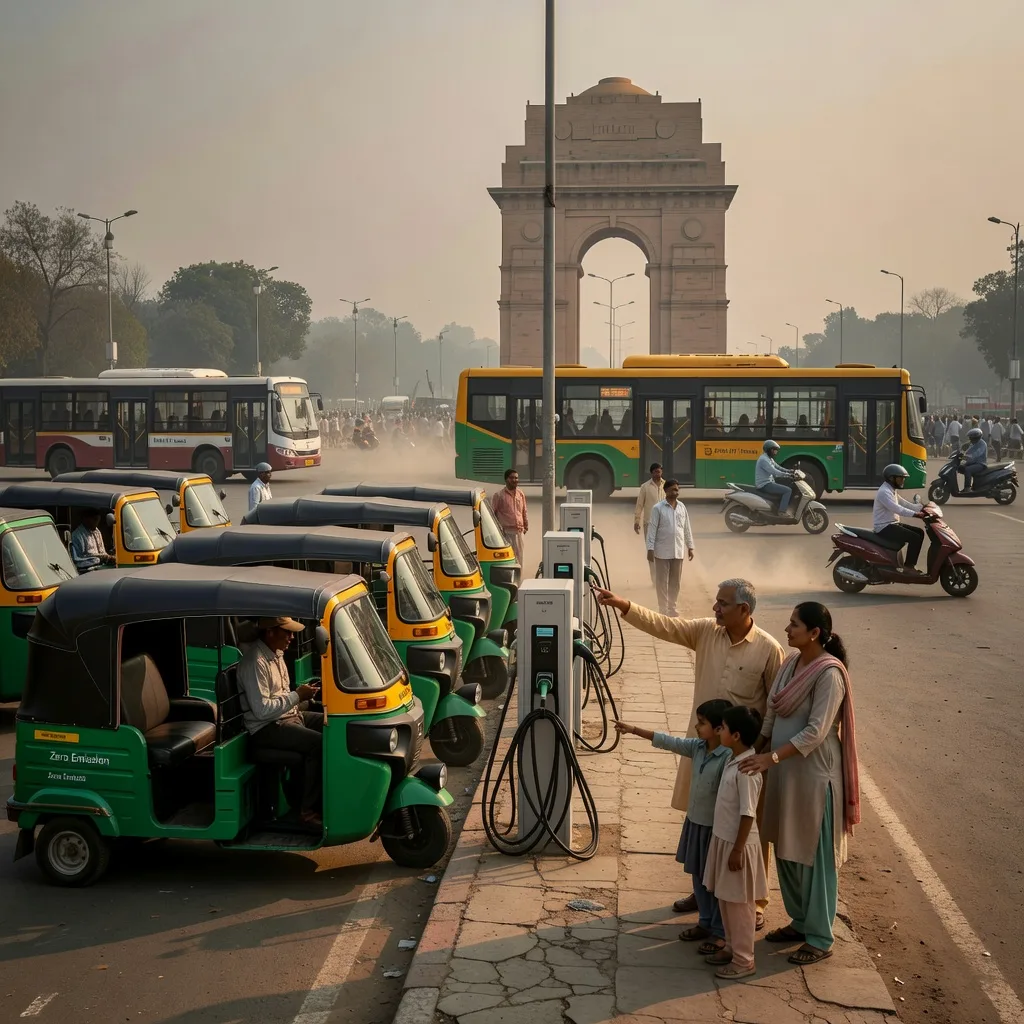
Government plan
Delhi's transport department announced on Monday that it will aim for 1 million electric cars on the road by 2026. The goal is part of a wider effort to lower particulate matter and nitrogen oxides that have made the city's air rank among the worst in the world. Officials say the target will help the capital meet the national clean air mission and reduce its carbon footprint.
The plan rests on three pillars: cheap purchase price, easy charging, and strict registration rules for polluting vehicles. The department will work with state and central agencies to fund the measures.
Incentives and infrastructure
To make EVs cheaper, the government will give a cash rebate of up to ₹150,000 for cars that cost less than ₹12 lakh. Buyers can also claim a waiver of road tax and a free licence plate. The rebate applies to both private owners and fleet operators.
- Cash rebate of up to ₹150,000
- Road tax waiver
- Free licence plate
- Access to low cost charging at public stations
The city will grow its charging network from about 2,000 stalls to more than 6,000 by the end of 2025. New stations will sit at malls, metro stops and office parks. The power for the chargers will come from the city's solar farms, which the transport office says will lower the cost per kilowatt hour.
Challenges and reactions
Experts warn that the plan may face hurdles. The price of batteries still stays high, and many drivers worry about range loss on long trips. A small study by the Indian Institute of Technology Delhi shows that only 12 percent of commuters feel confident about an electric car's range.
Auto makers say they will grow production of affordable EV models to meet demand. Tata Motors and Mahindra have already filed plans for new low price electric sedans. They hope the subsidies will push sales up from the current 30,000 units a year to over 200,000 by 2026.
Environmental groups show support for the move. The Clean Air Delhi campaign praised the cash rebate and the fast track charging rollout, saying it will help cut the city's PM2.5 levels by at least 20 percent over the next five years.
Critics argue that the plan does not address the city's many diesel trucks and buses that still spew smoke. The transport department replied that a separate scheme for commercial fleets will launch next year, offering similar rebates for electric buses.
Overall, the capital's aggressive EV push marks a clear shift in policy. If the targets hold, Delhi could become a model for other Indian cities that wrestle with air quality and climate goals.
Comments
Be the first to comment.
Leave a comment