
Delhi Rolls Out Bold EV Push to Slash Smog
The capital aims to make a quarter of new vehicles electric by 2030 to cut pollution and boost clean transport.
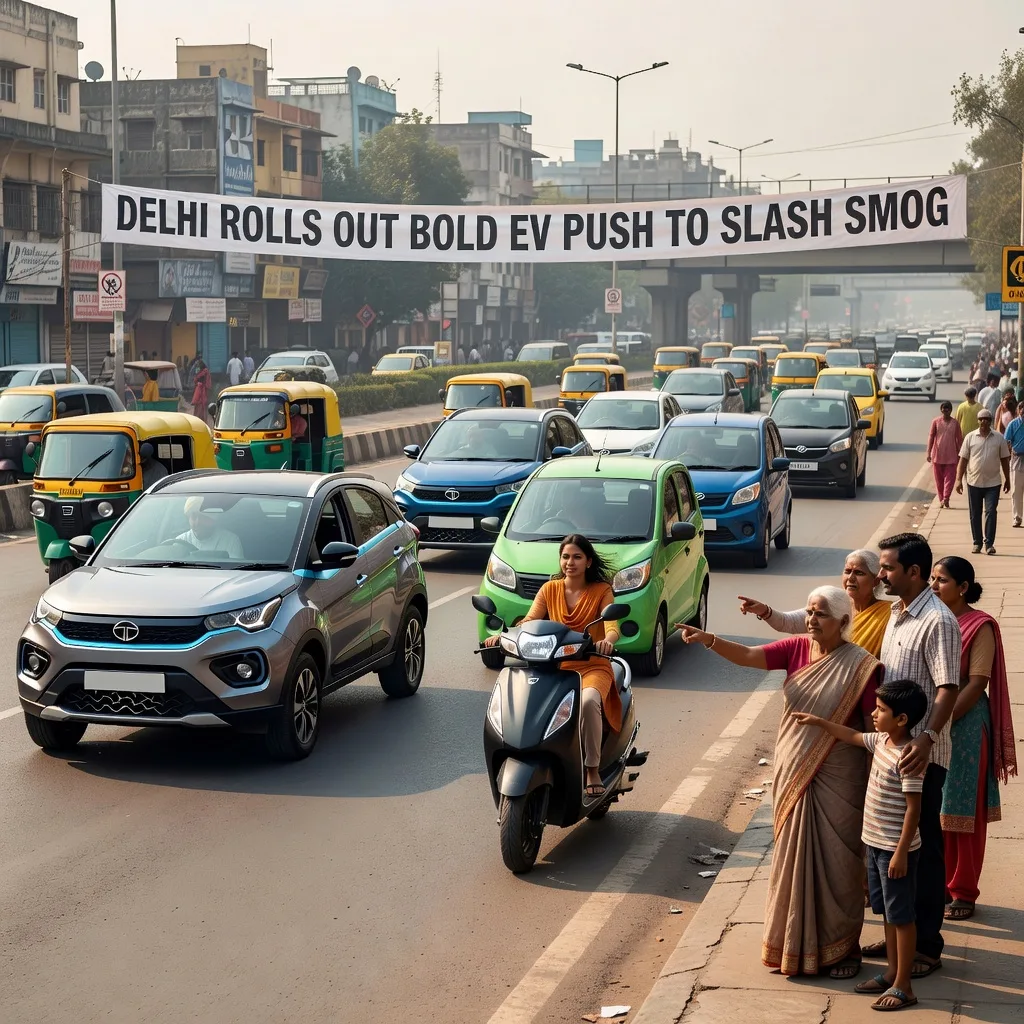
Delhi officials announced a new plan that aims to grow electric vehicle (EV) use in the city and show a clear path toward cleaner air. The target is for 25% of all new vehicle registrations to be electric by 2030, up from less than 2% today.
Why the push matters
Air quality monitors in Delhi have recorded dangerous levels of fine particulate matter for years. Residents often wear masks on the streets, and hospitals report a rise in breathing problems during winter months. City leaders say that switching to EVs can cut emissions from transport, which makes up about half of Delhi's total air pollution.
Key steps in the plan
The government will use a mix of incentives to reach the goal. Buyers of EVs will get a waiver of road tax, a discount on registration fees, and free parking at city‑run lots. The state will also build a network of fast‑charging stations at metro stations, market places and major highways. By the end of 2025 the plan calls for 1,000 public chargers, and by 2030 the target rises to 5,000.
To grow the EV market, the city will work with local manufacturers to set up assembly lines for affordable models. A subsidy of up to ₹150,000 (about $2,000) per vehicle will be offered for cars priced below ₹10 lakh, and a smaller grant will help owners of two‑wheelers make the switch.
Public fleet leads the way
Delhi's own transport fleet will be the first to change. All new buses bought after 2024 must be electric, and the city will replace 30% of its existing diesel police cars with EVs by 2026. The move is meant to show that electric power can handle heavy daily use.
What experts say
Environmental analysts say the targets are ambitious but doable. "If the city can keep the incentives steady and make charging easy, the market will grow quickly," said Priya Sharma, a researcher at the Indian Institute of Sustainable Development. "The biggest hurdle is the cost of batteries, but prices are falling fast."
Industry groups note that the plan will also create jobs. Building charging stations and servicing electric fleets will need technicians, electricians and software staff, offering a boost to local employment.
Challenges ahead
Critics point out that the plan relies on a stable power supply, which can be shaky in some parts of the city. The government says it will pair the EV push with upgrades to the grid, adding more renewable energy sources to keep the system green.
Another concern is that the subsidies could strain the state budget. Officials say they will offset the cost by cutting subsidies for diesel fuel and by collecting higher fees from polluting vehicles that do not meet the new standards.
Looking forward
Delhi will review progress every year and adjust the plan as needed. The city hopes the move will not only clean the air but also set an example for other Indian metros that face similar pollution problems.
With the new rules, Delhi aims to show that a big city can grow while cutting the smoke that chokes its streets.
Comments
Be the first to comment.
Leave a comment