
Delhi’s new EV policy: Bigger subsidies, more chargers, tighter targets
The Delhi government has rolled out an updated electric vehicle policy with higher purchase incentives, a push for charging infrastructure, and stricter goals for EV adoption by 2027.
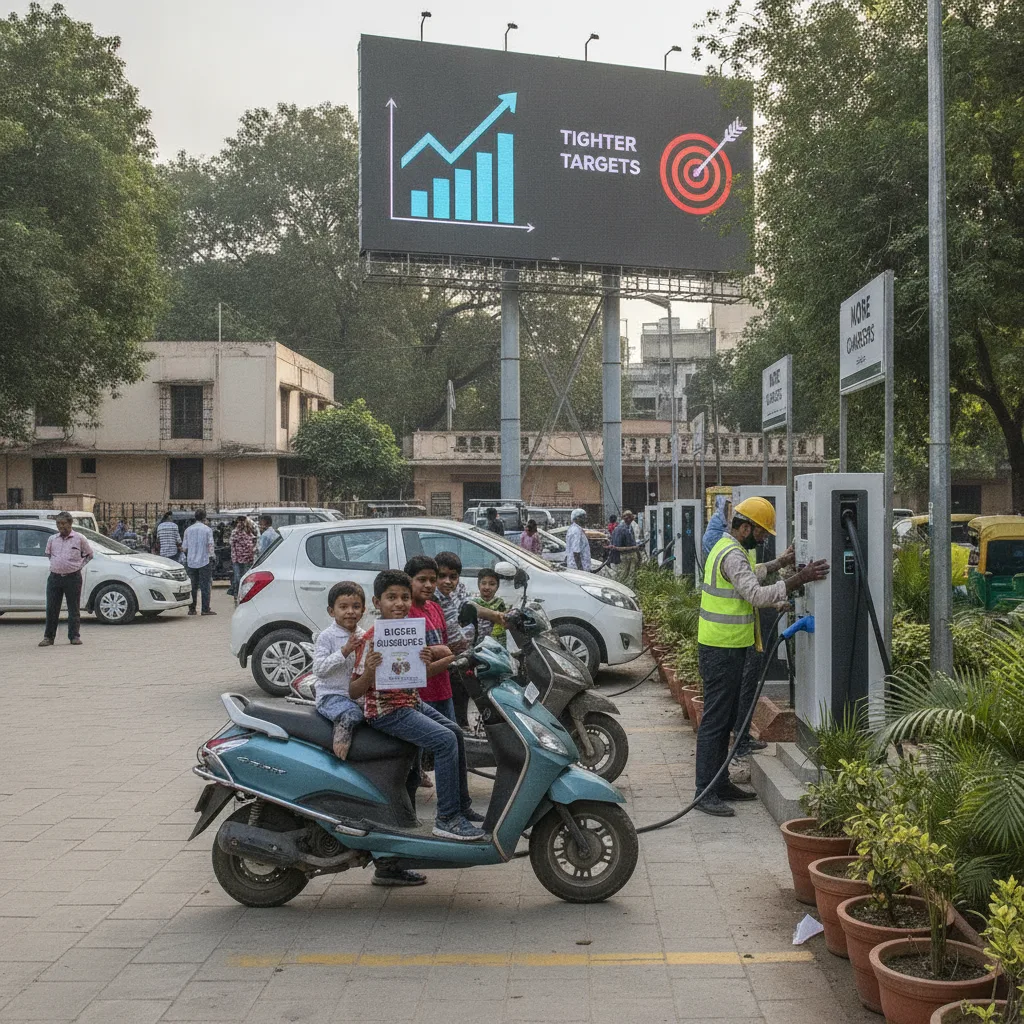
The Delhi government has released the fine print of its new electric vehicle policy. The plan replaces the old 2020 policy and runs till 2027. Officials say the goal is to push EV sales to 50 percent of all new vehicle registrations in the capital by that year.
More money for buyers
The new policy raises purchase subsidies for electric two-wheelers, cars, and goods carriers. Buyers of e-scooters and e-bikes can now get up to Rs 10,000 per kWh of battery capacity, with a cap of Rs 30,000 per vehicle. Earlier the cap was Rs 15,000. For electric cars, the subsidy jumps to Rs 15,000 per kWh, capped at Rs 1.5 lakh. That is a big jump from the old cap of Rs 30,000.
Electric three-wheelers used for goods transport will get Rs 20,000 per vehicle. Auto-rickshaws and e-rickshaws remain at Rs 30,000 each. The policy also keeps the road tax and registration fee waiver for all EVs.
Chargers on every block
The government wants one public charging station every three square kilometres in the city. It plans to install 18,000 new charging points by 2027. That includes slow chargers at homes and offices and fast chargers along main roads and at metro stations.
New buildings, residential, commercial, and institutional, must set aside 20 percent of parking space for EV charging. Petrol pumps and malls will need to install chargers too. The Delhi Electricity Regulatory Commission has set a cap on charging rates: Rs 4 per unit for slow chargers and Rs 6 per unit for fast chargers.
Scrappage and battery rules
The policy starts a scrappage scheme. Owners who turn in an old petrol or diesel two-wheeler get a Rs 5,000 bonus on top of the purchase subsidy. For cars, the bonus is Rs 10,000. The government will set up authorised scrapping centres across the city.
Battery makers must collect and recycle old batteries under extended producer responsibility rules. The policy bans disposal of EV batteries in landfills. It also sets up a state-level EV battery recycling target: 90 percent recovery of materials by weight by 2026.
Fleet and delivery targets
By 2025, all new app-based taxi and delivery vehicles must be electric. That includes Ola, Uber, Zomato, Swiggy, and Amazon delivery vans. The policy gives fleet operators until December 2024 to switch 10 percent of their fleet to EVs, ramping up to 50 percent by 2026.
Delhi's own government vehicles will go all-electric by 2025. New permits for autos and taxis will only be given to EVs. The transport department will run a separate fast-track registration counter for EVs.
Who pays for it
The government has set aside Rs 500 crore for the policy. Half of that money will go to purchase subsidies. The rest will fund charging stations, scrappage bonuses, and awareness campaigns. The Delhi EV Board, chaired by the transport minister, will oversee the rollout.
Officials say the policy will cut Delhi's transport emissions by 30 percent by 2027. It also aims to create 10,000 jobs in EV sales, service, and charging. The fine print is out. Now the city has to deliver.
Comments
Be the first to comment.
Leave a comment