
Driving Influence: China's Strategy in South Asia and Its Implications for India
China's push for trade, ports and digital links in South Asia is reshaping the region and prompting a cautious Indian response.
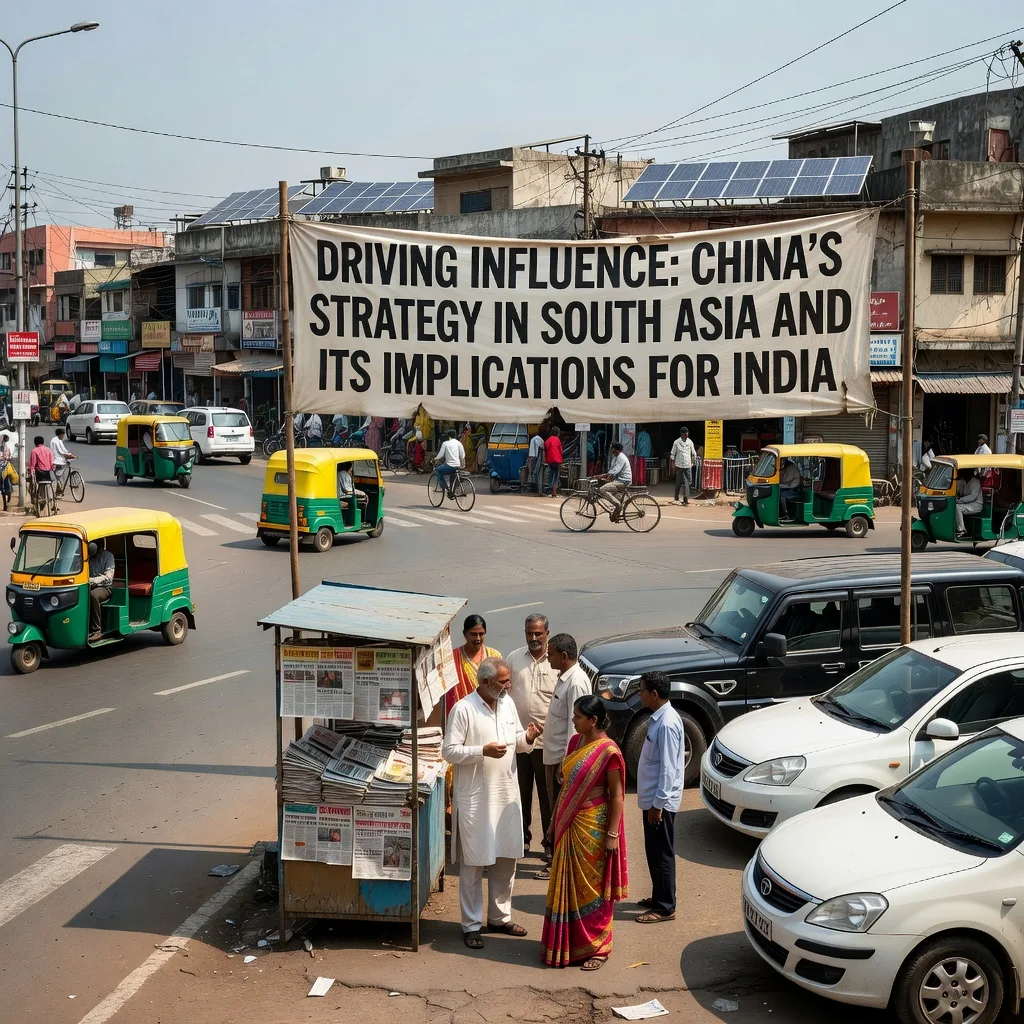
China's expanding footprint
Over the past decade China has poured billions of dollars into roads, railways and ports across South Asia. The projects are part of a broader plan to link Chinese factories with markets in the Indian Ocean. In Sri Lanka the Hambantota port was handed to a Chinese firm after the government could not pay back a loan. In Nepal China has helped finish a highway that cuts travel time between the capital and the Chinese border. These moves let Beijing use its money to grow influence in countries that sit on India's traditional sphere.
China also pushes digital ties. It offers low‑cost 5G equipment and cloud services to governments that want to modernise quickly. The deals let Chinese firms lookat how data moves across borders and give them a foothold in local tech markets.
India's response
New Delhi watches the developments closely. The government says it will use its own resources to build alternative routes and upgrade existing ports. In 2023 India announced a $2 billion fund to support infrastructure in Bangladesh and the Maldives, aiming to give those nations a non‑Chinese option.
India also tightens security rules for foreign investment in critical sectors. New rules require a review of any Chinese stake in telecom, energy and defence companies. The moves are meant to grow domestic capacity and keep strategic assets under Indian control.
Regional outlook
The competition is not only about money. It is about how countries see their future partners. Some South Asian states welcome Chinese projects because they fill gaps that Western donors left. Others stay wary, fearing debt traps or a loss of policy independence.
Key points that shape the picture include:
- Infrastructure: roads, railways and ports that link China to the Indian Ocean.
- Digital: 5G and cloud services that give Chinese firms a data foothold.
- Finance: loans that can become hard to repay without new revenue.
- Security: Indian rules that limit Chinese involvement in critical sectors.
Analysts say the rivalry will likely stay balanced for now. Both China and India have strong economies and large armies, and both need stable neighbours. The path forward will depend on how each power uses its money, how it looks at security risks and how regional leaders choose to work with the two giants.
Comments
Be the first to comment.
Leave a comment