Fibe and Hygge Energy Team Up to Finance Rooftop Solar for Indian Homes
The lending platform and the clean-energy firm will offer loans to households and small businesses looking to put panels on their roofs.
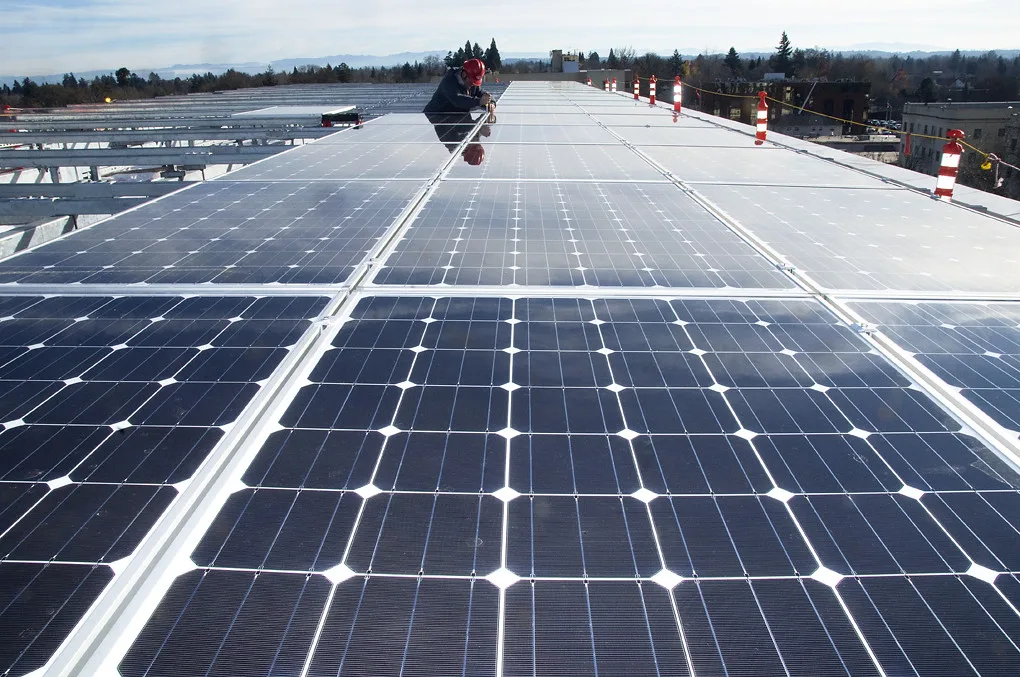
Consumer lending platform Fibe has signed a partnership with Hygge Energy to finance rooftop solar installations across India, the two companies said. The tie-up pairs Fibe's loan book with Hygge's solar project work, aimed at homes and small businesses that want panels but balk at the upfront cost.
The announcement was reported by Saur Energy on 27 October 2026. Neither company disclosed the size of the financing pool, the interest rates on offer, or how many installations the partnership expects to fund.
Rooftop solar has long been the slow lane of India's solar story. Utility-scale parks have raced ahead, while rooftop capacity has lagged well behind the government's targets. The barrier is rarely the technology. It's the money.
A typical residential system runs into lakhs of rupees before any subsidy is credited. For a household already juggling a home loan, that's a hard sell. Lenders see rooftop solar as a small-ticket, hard-to-assess asset, and many borrowers don't have the collateral or credit history to make a bank comfortable.
Why financing is the sticking point
Fibe's pitch is that it can underwrite these loans faster than a traditional bank, using its existing customer data and digital processes. Hygge brings the project side: system design, installation and the vendor network that actually puts panels on roofs.
That split is a common template in India's clean-energy lending. A non-bank financier handles the credit, a solar developer handles the hardware, and the customer signs one agreement instead of chasing a bank branch and three installers.
Whether it works depends on details the companies haven't shared. Loan tenure matters. So does the interest rate, and whether repayments are structured around the savings a household sees on its electricity bill. A rooftop system can cut a monthly power bill, but the loan EMI has to stay below that saving for the maths to work for a middle-income family.
Hygge Energy has worked on distributed solar and energy management projects in India. Fibe, formerly EarlySalary, has built its business on consumer credit and now lends across several categories.
The wider rooftop push
The partnership lands as the Centre pushes household rooftop solar through its PM Surya Ghar scheme, which offers subsidies to residential consumers. The scheme has driven a jump in applications, but disbursal and installation have moved unevenly across states.
Financing gaps are one reason. Subsidy money arrives after installation, so the customer still has to fund the system first. A lender willing to bridge that gap, or to fold the subsidy into the loan structure, can make the difference for a household that would otherwise wait.
Small businesses face the same wall. A shop or a small factory with a large roof is often a better solar candidate than a home, with daytime load that matches generation. But these owners are exactly the borrowers that traditional lenders treat cautiously.
Neither Fibe nor Hygge has said when the first loans under the partnership will be disbursed, or which states they'll start in. For now, the deal is a signal that India's consumer lenders see rooftop solar as a market worth entering. The proof will be in the loan book.
Source: Saur Energy · 27 Oct 2026
Comments
Be the first to comment.
Leave a comment