
Lucknow leads India's rooftop solar push as installations climb
The Uttar Pradesh capital has become a test case for India's rooftop solar ambitions, with homes and small businesses driving uptake.
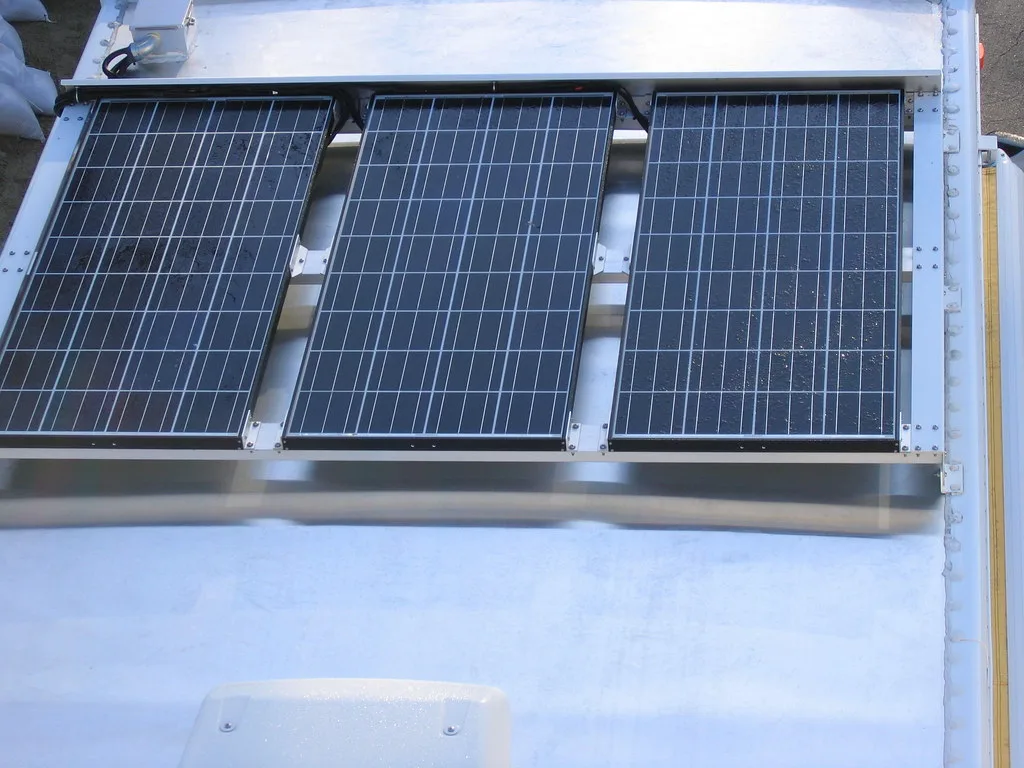
Lucknow has emerged as an unlikely frontrunner in India's rooftop solar story. The Uttar Pradesh capital, better known for its heritage architecture and crowded old quarters, is now being held up as a model for how Indian cities can add solar capacity at the household level.
DW reported this week that Lucknow's rooftop solar growth has outpaced several larger metros, drawing attention from policymakers and installers alike. The city's mix of residential rooftops, small commercial buildings and government offices has given it room to scale in ways that denser cities have struggled to match.
Why Lucknow, and why now
India has set ambitious targets for rooftop solar as part of its broader renewable energy push. The central government's subsidy schemes, routed through the national portal for rooftop solar, have made residential installations cheaper for ordinary households. State-level electricity distribution companies, including in Uttar Pradesh, have been pulled into the process of approving net-metering connections and processing subsidy claims.
Lucknow's advantage appears to be a combination of factors: relatively lower installation costs than in Delhi or Mumbai, a large stock of independent houses with usable roof area, and a state utility that has moved, however unevenly, on clearing applications.
The result is visible on the ground. Rooftops that once held water tanks and satellite dishes now carry panels. Small shopkeepers have signed up. So have homeowners looking to cut monthly bills that climb sharply through the summer.
The economics for a household
For a typical Lucknow home, a rooftop system offsets part of the electricity drawn from the grid. Under net metering, surplus units exported to the grid are credited against consumption. The upfront cost varies with system size, but central subsidies have narrowed the gap.
- Residential rooftop systems qualify for central financial assistance under the national rooftop solar programme.
- Net metering allows households to bank surplus generation against future bills.
- Uttar Pradesh's utility handles approvals and interconnection for eligible applicants.
The payback period depends on usage patterns, tariff slabs and how much of the generation a household consumes directly. Homes that run air conditioners through the summer tend to recover costs faster.
What still holds it back
The picture isn't uniformly bright. Installers in the state point to delays in subsidy disbursement and paperwork that can stretch across weeks. Awareness remains patchy outside central Lucknow. Many households still don't know the subsidy exists, or assume the process is too cumbersome to bother with.
There's also the question of grid readiness. Distribution transformers in older neighbourhoods weren't built for two-way power flows. Upgrading them takes money and time, and utilities have been slow to move in some areas.
None of this is unique to Lucknow. But the city's visibility in the national conversation has made it a test case. If the model works here, it gives other mid-sized Indian cities a template. If it stalls on approvals and grid upgrades, that's a warning too.
For now, the panels keep going up. Lucknow's rooftops are doing what India's rooftop solar target needs them to do: adding capacity, one house at a time.
Source: DW.com · 26 Oct 2026
Comments
Be the first to comment.
Leave a comment