IEA chief says India's renewable energy buildout holds lessons for emerging economies
The head of the International Energy Agency points to India's renewable expansion as a model for developing countries navigating an uncertain global energy landscape.
India's renewable energy expansion offers lessons for emerging economies trying to grow their power sectors amid global uncertainty, the head of the International Energy Agency said. The remarks were reported by ET EnergyWorld on 8 November 2026.
The IEA chief framed India's buildout as a reference point for other developing countries. Those economies face the same squeeze: rising demand for electricity, tight budgets and volatile global markets for fuel and equipment.
Why India draws attention
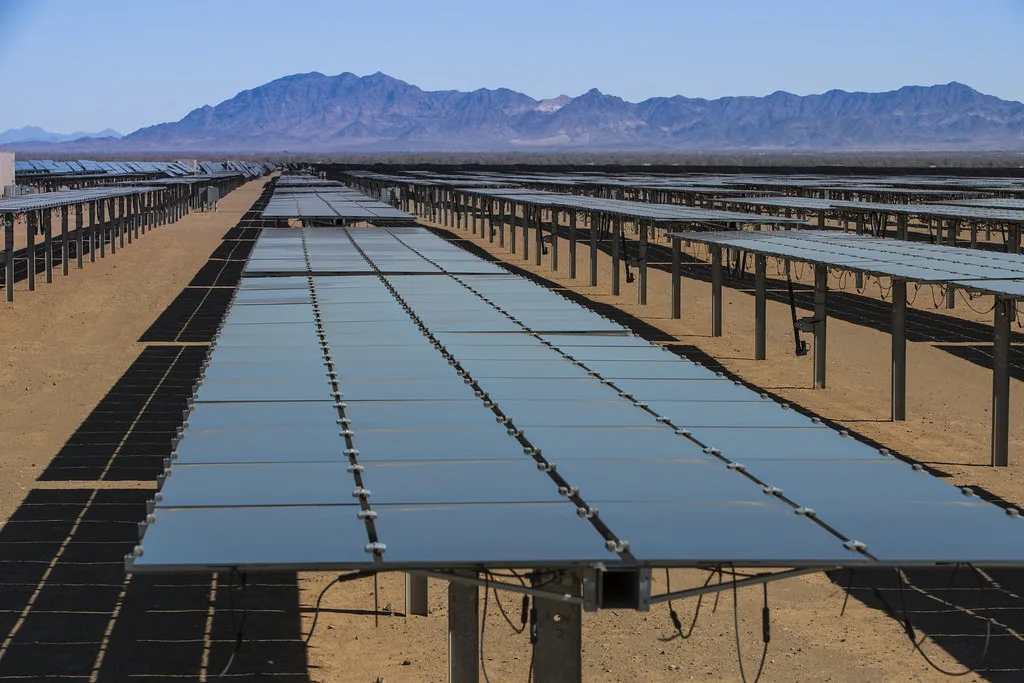
India has pushed solar and wind capacity hard over the past decade, pairing the buildout with policies aimed at domestic manufacturing and grid integration. That mix is what makes the country worth watching, according to the IEA chief. Emerging economies often struggle to move from pilot projects to scale. India's experience shows how policy, demand and supply can be lined up.
The timing matters. Global energy markets have been unsettled by price swings, supply chain disruptions and shifting trade rules. For countries weighing how fast to build renewables, the Indian example offers a practical case study rather than a theoretical one.
What other economies can take away
The IEA has tracked India's renewable growth closely in recent years. Its assessments have pointed to the country's solar expansion and the role of auctions and targets in driving capacity additions. The agency has also flagged challenges, including grid readiness and the need for storage as variable sources take a larger share.
For emerging economies, the lessons cut both ways. Rapid deployment is possible when policy is stable and prices fall. But the work doesn't stop at installation. Grids, storage and financing all have to keep pace, or the gains stall.
- Stable policy signals help attract investment at scale.
- Domestic manufacturing can reduce exposure to global supply shocks.
- Grid and storage planning needs to move alongside new capacity.
The wider context
The IEA chief's comments come as developing economies press for more support to finance their energy transitions. Many face high borrowing costs and limited fiscal room. India's approach, which leans on competitive auctions and scale, is one route. It isn't the only one, and conditions differ from country to country.
Still, the agency's attention to India signals where it sees momentum. The country's renewable sector has grown into one of the largest in the world, and its decisions ripple through equipment markets and investment flows.
The IEA chief's message, as reported, was straightforward: India's expansion offers a working example for others weighing similar paths. Whether those lessons travel well will depend on how each country adapts them to its own grid, budget and politics.
Source: ET EnergyWorld · 8 Nov 2026
Comments
Be the first to comment.
Leave a comment