IEA: India's renewable capacity to hit 530 GW by 2030, solar leads the way
The International Energy Agency expects solar to do most of the heavy lifting as India races toward its 2030 clean-energy target.
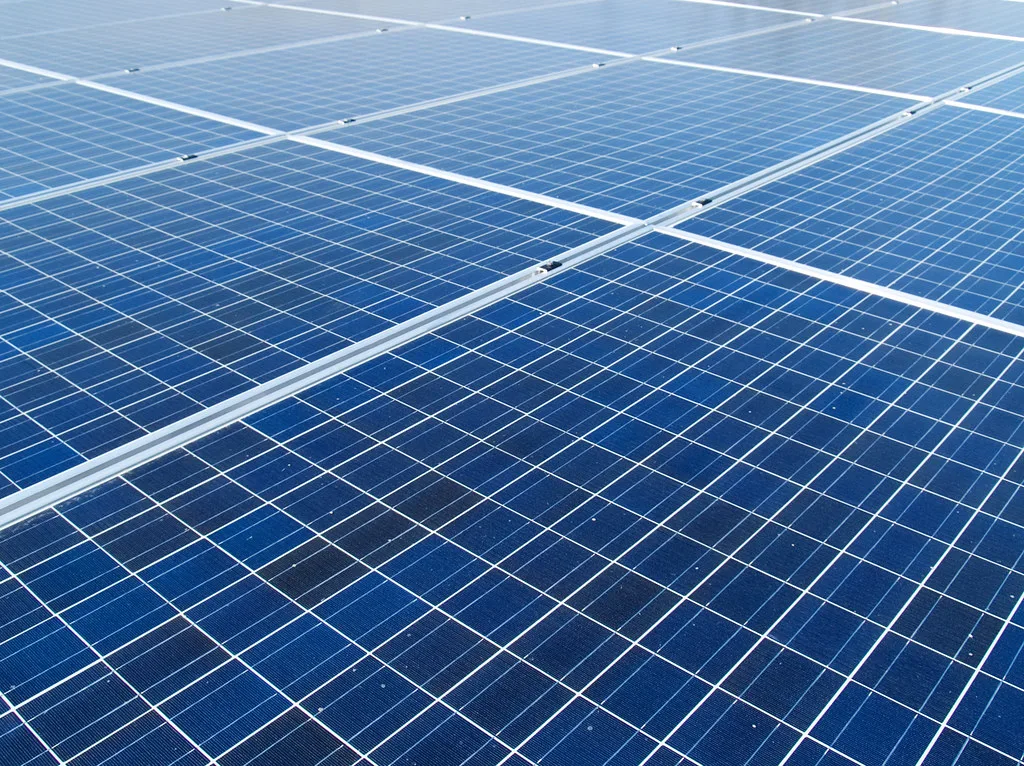
India's renewable energy capacity is set to reach 530 gigawatts by 2030, according to the International Energy Agency, with solar power driving most of that growth. The projection, reported by BioEnergy Times, puts the country's clean-energy buildout on a steep curve over the next several years.
Solar sits at the centre of the forecast. That tracks with what's already happening on the ground: utility-scale parks in Rajasthan and Gujarat, rooftop systems spreading across rooftops in Maharashtra and Tamil Nadu, and a manufacturing push aimed at cutting dependence on imported panels.
Why solar carries the load
The reasons aren't hard to find. Solar is cheap to build, quick to commission compared with large hydro or wind, and India gets sunshine for most of the year across large swathes of the country. Falling module prices have helped too, though the government's push for domestic manufacturing has added a layer of cost and complexity that developers are still working through.
Wind and other sources will add capacity as well, but the IEA's reading is clear: solar is the engine here, not a supporting act.
What 530 GW means
For context, India's installed renewable capacity has been climbing steadily, and hitting 530 GW by 2030 would mark a major step-up from where things stand now. It would also require the grid to keep pace. Transmission bottlenecks, land acquisition delays and the intermittency of solar all remain live problems. Adding panels is one thing. Moving that power to where it's needed is another.
Storage is the other piece. Battery capacity in India is growing but still small relative to what a solar-heavy grid will need. Policy watchers have flagged that the 2030 number depends heavily on how fast storage and grid upgrades move.
The policy backdrop
The government has set ambitious renewable targets and backed them with schemes like the production-linked incentive programme for solar manufacturing, plus push on rooftop solar for households. State-level execution varies widely, and that gap between national ambition and local delivery is where most of the risk sits.
The IEA's 530 GW figure lands as a forecast, not a guarantee. It assumes current trends hold and policy stays supportive. India has missed interim renewable targets before, and analysts have been careful to note that capacity additions depend on financing, land and grid readiness coming together.
Still, the direction is set. Solar is where the money and the momentum are, and the IEA's projection gives developers, manufacturers and policymakers a number to plan around. Whether India gets there by 2030 will show up in the commissioning data, year by year.
Source: BioEnergy Times · 7 Nov 2026
Comments
Be the first to comment.
Leave a comment