
India curtails 8,133 GWh solar power – grid fights excess daytime supply
The nation's grid shed record solar output as daylight generation outpaced demand, prompting emergency curbs.
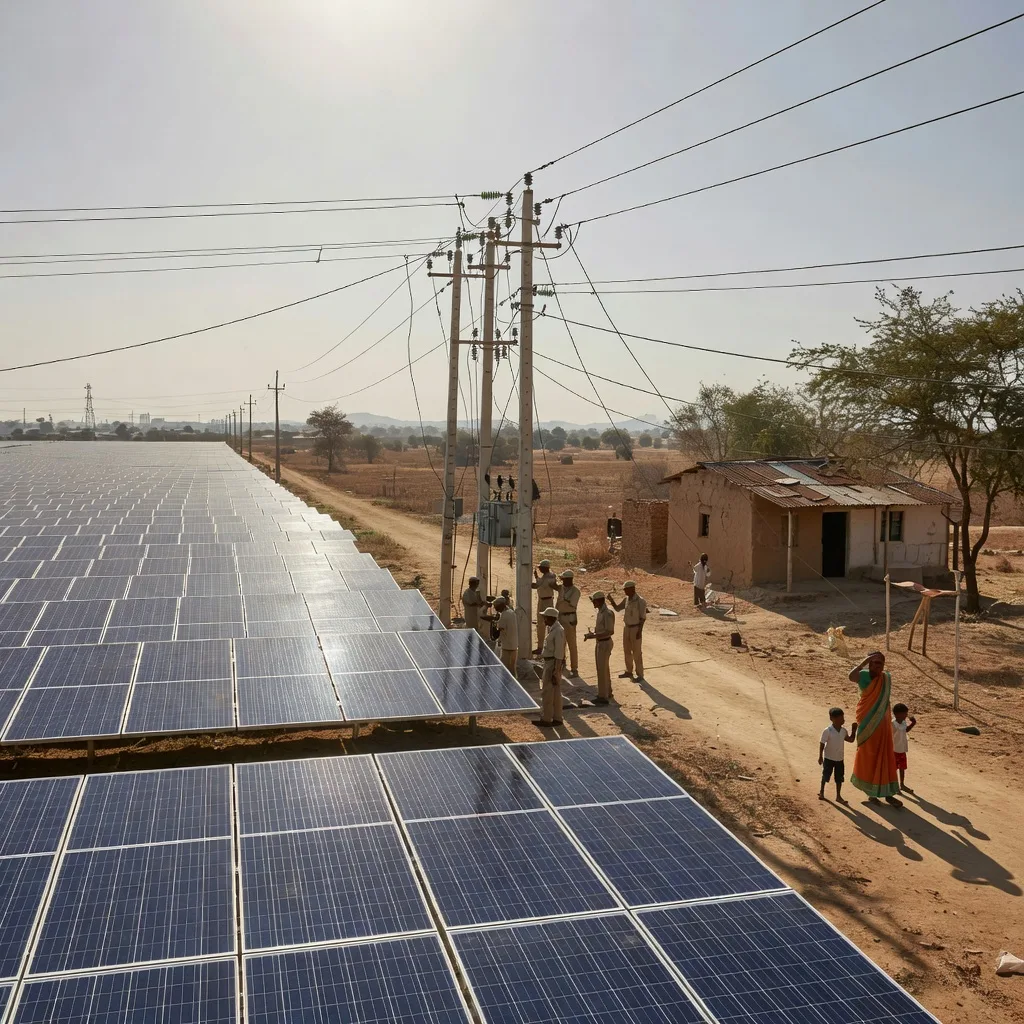
New Delhi, On Tuesday the power grid cut 8,133 gigawatt‑hours of solar electricity, a record‑high curtailment that highlights the strain on India's transmission network during bright hours.
Why curtailments rose
State utilities reported that the surge in solar farms, especially in Rajasthan, Gujarat and Tamil Nadu, pushed daytime supply beyond what the grid could move. When supply outstrips demand, operators must ask generators to reduce output to keep frequency stable.
According to the Central Electricity Authority, the curtailment rate for solar rose to 12.5 percent in March, up from 4.3 percent a year earlier. The bulk of the loss came from large‑scale solar parks that feed power into the national grid.
Impact on the renewable target
India aims to hit 450 GW of renewable capacity by 2030, with solar slated to reach 220 GW. The curtailment episode shows that building more panels will not alone meet the goal unless the grid can absorb the extra power.
"We have the panels, we have the sun, but the wires are the bottleneck," said a senior official at the Ministry of Power. The comment reflects a growing concern that transmission upgrades are lagging behind solar installations.
Steps being taken
The government has ordered state transmission companies to fast‑track new high‑voltage lines and to install more flexible devices such as battery storage and demand‑response schemes. In Karnataka, a pilot program lets factories shift load to sunny periods, freeing space for solar on the grid.
In the short term, the grid operator asked solar producers to use the "use‑it‑or‑lose‑it" rule, which forces farms to cut output when the system cannot take more power. The rule is meant to protect the stability of the network but hurts revenue for plant owners.
What the data shows
- Total solar generation in the country hit 115 TWh in the quarter ending March.
- Daytime curtailments accounted for 78 percent of the total loss.
- Regions with the highest curtailments also have the most new solar capacity.
Analysts say the curtailment figure could rise further if the monsoon fails and demand stays low while solar output stays high.
To keep the renewable push on track, experts urge a balanced approach: build more lines, store excess power, and shape demand to match supply. Without those steps, the grid will keep shedding clean energy, slowing India's climate goals.
Comments
Be the first to comment.
Leave a comment