
India Cuts 8,133 GWh of Solar Power as Grid Struggles with Day‑time Surplus
The grid shed 8,133 GWh of solar output in June as operators wrestled with excess daylight generation.
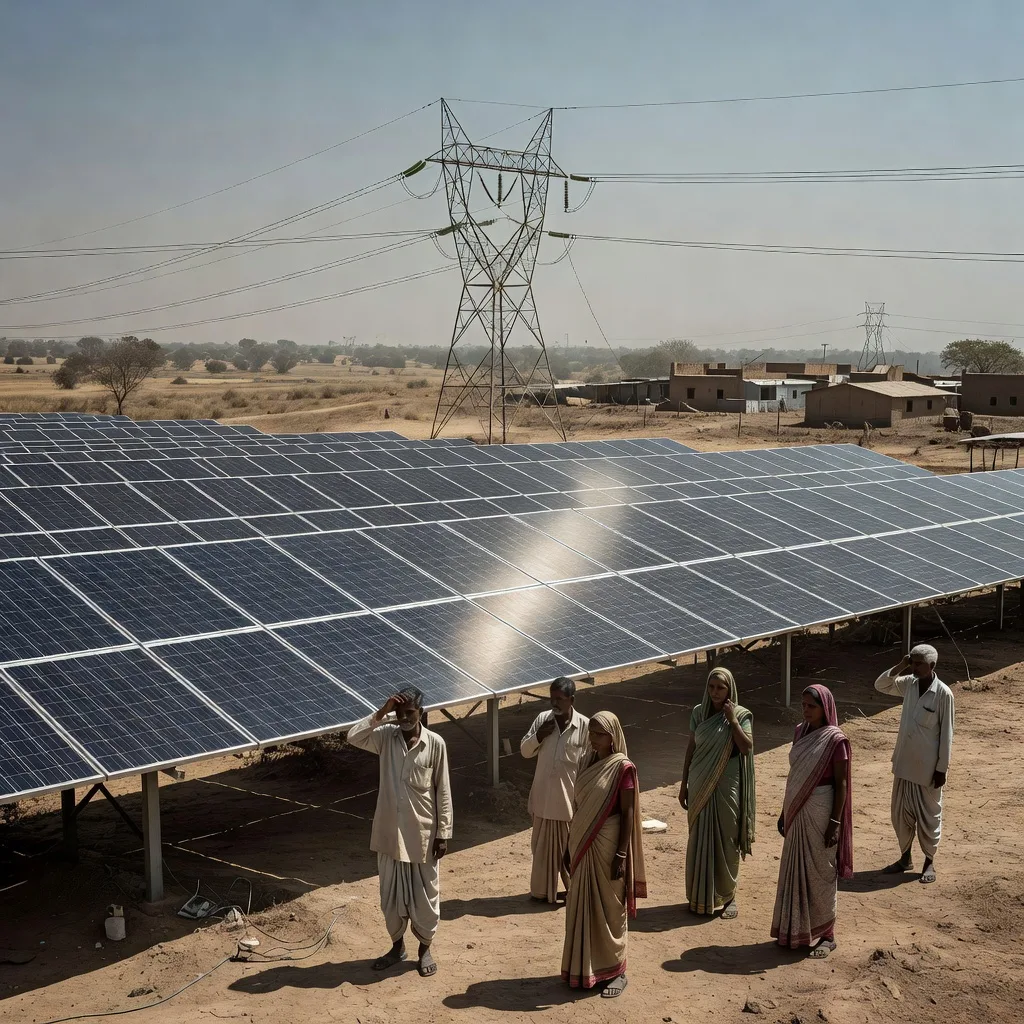
New Delhi, India's power grid reduced solar generation by 8,133 gigawatt‑hours (GWh) in June, according to data released by the Central Electricity Regulatory Commission (CERC). The curtailment, which equals roughly 9 percent of the country's total solar output for the month, highlights how the grid still finds it hard to take in large amounts of daylight power.
Why the curtailment happened
Solar farms across the country hit peak output in the middle of the day, when demand for electricity fell short of supply. Operators of the state‑run grid, the Power System Operation Corporation (POSOCO), sent a notice to generators asking them to cut output to keep the system stable. The notice listed 8,133 GWh of solar power that was not used because the grid could not absorb it.
Impact on generators and consumers
Solar producers lost revenue from the curtailed energy. Many of them operate under power purchase agreements that pay a fixed rate for each kilowatt‑hour, so the missed output translates directly into lower earnings. The curtailment also means that the country missed a chance to replace coal‑burned power with clean energy, a key goal of India's climate plan.
For consumers, the effect is indirect. The grid had to turn on additional thermal plants to fill the gap, which can raise the cost of electricity and add more emissions. However, the short‑term price impact was limited because the curtailment occurred during a period of low demand.
Steps to fix the gap
- Invest in storage: Battery farms can hold excess solar power and release it when demand rises later in the day.
- Boost transmission: New high‑capacity lines can move power from sunny regions to places where demand is higher.
- Shift demand: Industries can move energy‑intensive processes to daylight hours, using more of the solar supply.
- Upgrade forecasting: Better weather models help grid operators plan for spikes in solar output.
Officials say they are already working on these measures. The Ministry of Power announced a plan to add 10 gigawatts of battery storage by 2028, and several states have begun building new transmission corridors.
Analysts warn that without faster action, curtailments could rise as more solar capacity comes online. The country added about 20 gigawatts of solar in 2023‑24, and the trend is set to continue.
For now, the June curtailment serves as a reminder that expanding renewable energy needs a matching upgrade of the grid. As India pushes toward its goal of 450 gigawatts of renewable power by 2030, the ability to use every ray of sunshine will be a key test of success.
Comments
Be the first to comment.
Leave a comment