
India Cuts 8,133 GWh of Solar Power Even as Summer Demand Hits Record
The grid operator trimmed over eight thousand gigawatt‑hours of solar output this summer while households and industry faced the highest electricity use on record.
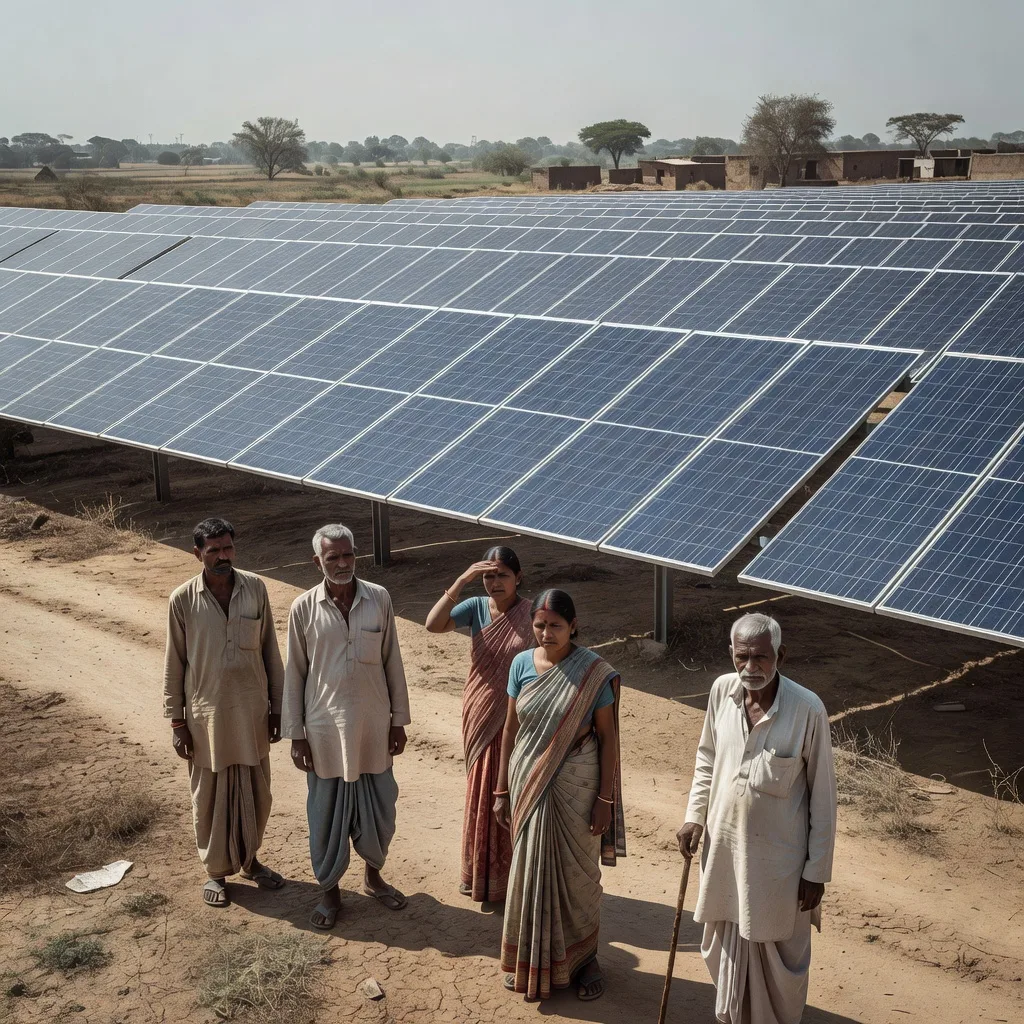
New Delhi, India's power grid operator, the National Load Despatch Centre (NLDC), said it curtailed 8,133 gigawatt‑hours (GWh) of solar generation during the peak summer months of May and June. The curtailment came even as the country recorded its highest summer electricity demand in a decade, driven by heat‑driven air‑conditioner use and industrial activity.
Why the curtailment?
The NLDC explained that the main reason for trimming solar output was a lack of transmission capacity in several high‑generation zones. When solar farms feed power into the grid faster than the lines can move it, the operator must reduce output to keep frequency stable. In some states, especially in the north‑west, new solar parks have come online faster than transmission upgrades could keep pace.
Grid officials also pointed to the need to balance renewable supply with coal‑based plants that still provide most of the baseload power. When solar output spikes, coal plants sometimes have to shut down or run at low load, which can cause wear on equipment and raise emissions from start‑up cycles. To avoid these issues, the NLDC issued curtailment notices to solar developers.
Impact on the market
The 8,133 GWh curtailment represents roughly 12 % of the total solar generation recorded in the same period. Traders on the power exchanges saw a short‑term dip in solar prices, while coal‑based generators posted higher dispatch volumes. Analysts say the curtailment may temper the expected drop in wholesale electricity prices that usually follows a sunny summer.
- Solar generation fell by about 12 % during peak hours.
- Coal plant output rose by 4 % to fill the gap.
- Average wholesale price for solar fell from ₹3.5/kWh to ₹3.1/kWh.
Government response
Energy Minister Raj Kumar Singh said the government is aware of the bottlenecks and will fast‑track transmission projects under the Green Energy Corridors scheme. "We need to build more lines and upgrade existing ones so that solar can flow where it is needed," Singh told reporters. He added that the ministry is reviewing the curtailment rules to give solar developers clearer signals.
State electricity regulators in Rajasthan and Gujarat, two of the most affected regions, have also begun consultations with solar park owners to schedule output more predictably. The goal is to avoid abrupt shut‑downs that hurt revenue and erode investor confidence.
What it means for the future
Experts warn that if transmission upgrades do not keep up with new solar capacity, curtailments could become a regular feature of India's power mix. "Solar is cheap and abundant, but without the wires to move it, we waste a lot of clean energy," said energy analyst Priya Mehta of the Centre for Sustainable Power.
Despite the curtailment, total solar capacity in India crossed 70 GW in June, a new record. The country remains on track to meet its goal of 100 GW of solar by 2027, but the episode highlights the need for coordinated planning between generation and grid infrastructure.
Consumers, meanwhile, continue to see higher bills as utilities pass on the cost of running more coal plants and buying power on the spot market. The government has urged households to adopt energy‑saving habits, such as using fans instead of air‑conditioners where possible, to ease the load on the grid.
Comments
Be the first to comment.
Leave a comment