
India holds back 8,133 GWh solar power April-June quarter owing transmission constraints Reuters
Transmission bottlenecks forced India to curtail over eight thousand gigawatt‑hours of solar output in the April‑June quarter.
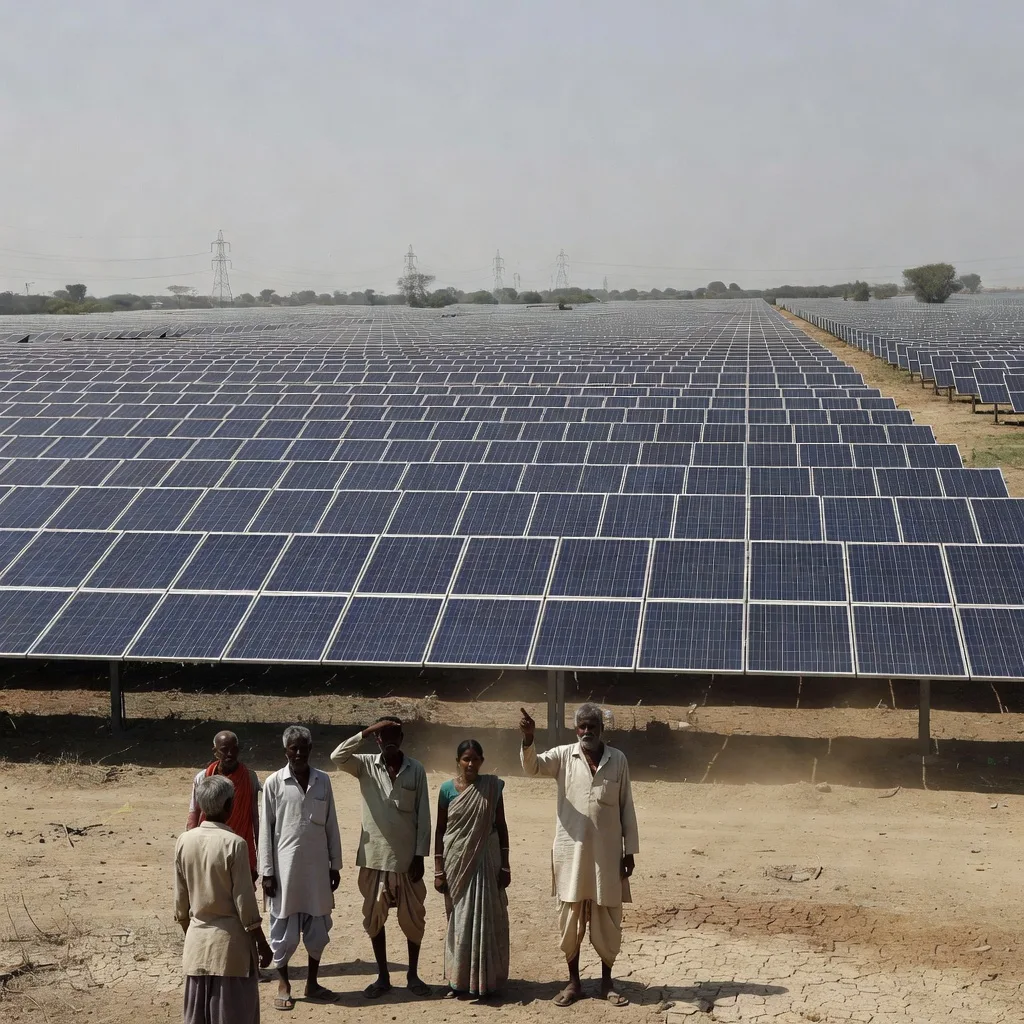
New Delhi said it could not move 8,133 gigawatt‑hours (GWh) of solar electricity generated in the April‑June quarter because the grid could not take the power. The figure comes from the Central Electricity Authority, which tracks generation and grid performance.
What the numbers show
India added about 12 gigawatts (GW) of solar capacity in the first three months of the year, taking total installed solar power to roughly 70 GW. The plants produced close to 30,000 GWh of solar power in the quarter, but the grid could only accept about 22,000 GWh. The shortfall of 8,133 GWh represents roughly 27% of the solar output that could have been fed to consumers.
Why the grid fell short
Officials point to a lack of high‑voltage transmission lines in regions where solar farms are concentrated, especially in the states of Gujarat, Rajasthan and Madhya Pradesh. Existing lines are already near capacity, and new projects have been delayed by land‑acquisition hurdles and funding gaps.
- Many new solar parks sit far from major demand centres.
- Upgrades to 400‑kilovolt corridors have lagged behind the pace of solar build‑out.
- State utilities report that they cannot absorb the power without risking overload.
Government response
The Ministry of Power said it will fast‑track the construction of new transmission corridors and improve coordination between state and central agencies. It also plans to offer incentives for private investors to fund line extensions.
Earlier this year, the government announced a target of 450 GW of renewable energy by 2030, with solar slated to provide about 200 GW. The current bottleneck shows that building generation capacity without matching grid upgrades can hold back progress.
Impact on consumers and the market
Because the curtailed power could not be sold, solar developers lost revenue that could have helped fund future projects. Some analysts say the curtailment may push developers to locate new farms closer to existing grid infrastructure or to invest in on‑site storage.
Consumers did not see a direct price rise from the curtailment, but the missed solar supply means the grid had to rely more on coal and gas plants, which are costlier and emit more carbon.
Looking ahead
Experts say the bottleneck is a warning sign as India pushes to meet its climate goals. They advise the government to match solar build‑out with a steady rollout of transmission lines and to consider flexible market mechanisms that can move power where it is needed.
Until the grid can keep up, the country may continue to hold back a sizable share of its solar generation, slowing the shift to cleaner energy.
Comments
Be the first to comment.
Leave a comment