
India Lost 11% of Solar Power Amid Record Summer Demand, Report Says
A new EnergyWorld analysis finds that 11% of solar output was wasted during India's hottest summer, highlighting grid bottlenecks and storage gaps.
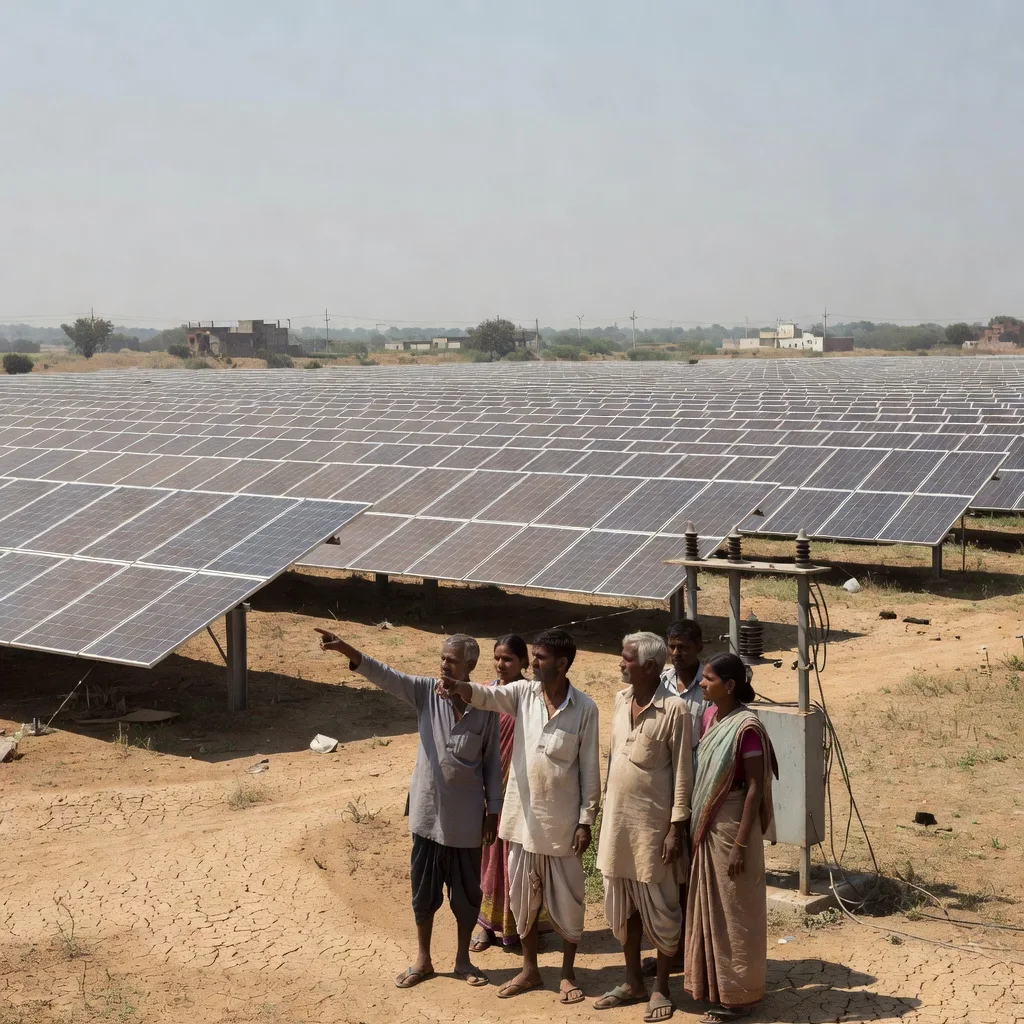
Record demand and solar growth
India's power grid faced its strongest summer demand in recent years, with peak loads hitting over 260 gigawatts in May‑June 2023. At the same time, solar capacity kept growing, reaching roughly 70 gigawatts of installed capacity by the end of the year. The surge in rooftop and utility‑scale farms helped push total solar generation to about 140 terawatt‑hours, a record for the country.
EnergyWorld's latest data review shows that about 11% of that solar energy, roughly 15 terawatt‑hours, was not fed into the grid. The loss happened mainly during the hottest weeks when the grid was already stretched thin.
Why the curtailment happened
Several factors lined up to cause the waste. First, many high‑output solar farms sit in regions where transmission lines are not strong enough to move power to load centres. When lines hit their limit, operators have to cut back generation to keep the system stable.
Second, the lack of large‑scale storage meant that excess midday solar could not be saved for later use. Batteries and pumped hydro projects are still a small share of the overall mix, so when demand fell in the afternoon, the surplus solar had nowhere to go.
Third, some state‑level grid operators reported technical glitches and mismatched forecasting that forced them to curtail output as a safety step.
Impact on the energy transition
The wasted solar represents a missed chance to cut fossil‑fuel use during a period when coal plants were running at full tilt. Analysts say that if the curtailment were reduced, the country could shave several hundred million tonnes of CO₂ from its annual emissions.
Policy makers are now looking at ways to improve the situation. Plans include upgrading transmission corridors, expanding battery storage, and encouraging demand‑response programs that shift industrial load to sunny hours.
What officials say
India's Ministry of Power acknowledged the issue, noting that "the grid is evolving fast, but infrastructure must keep pace with renewable growth." The ministry said it will fast‑track projects that link solar‑rich states with high‑demand zones.
State electricity boards also said they are studying the data to better plan future expansions. One official said the goal is to bring curtailment down to below 5% within the next two years.
Key takeaways
- 11% of solar generation was wasted during the record summer demand period.
- Transmission constraints and limited storage were the main causes.
- Reducing curtailment could significantly lower coal use and emissions.
- Government and utilities plan upgrades to cut waste in coming years.
Comments
Be the first to comment.
Leave a comment