
India Moves to Make Batteries Mandatory for Rooftop Solar Above 10 kW From 2028
The proposal would tie larger rooftop solar installations to on-site storage, a shift that could reshape how homes and small businesses use the power they generate.
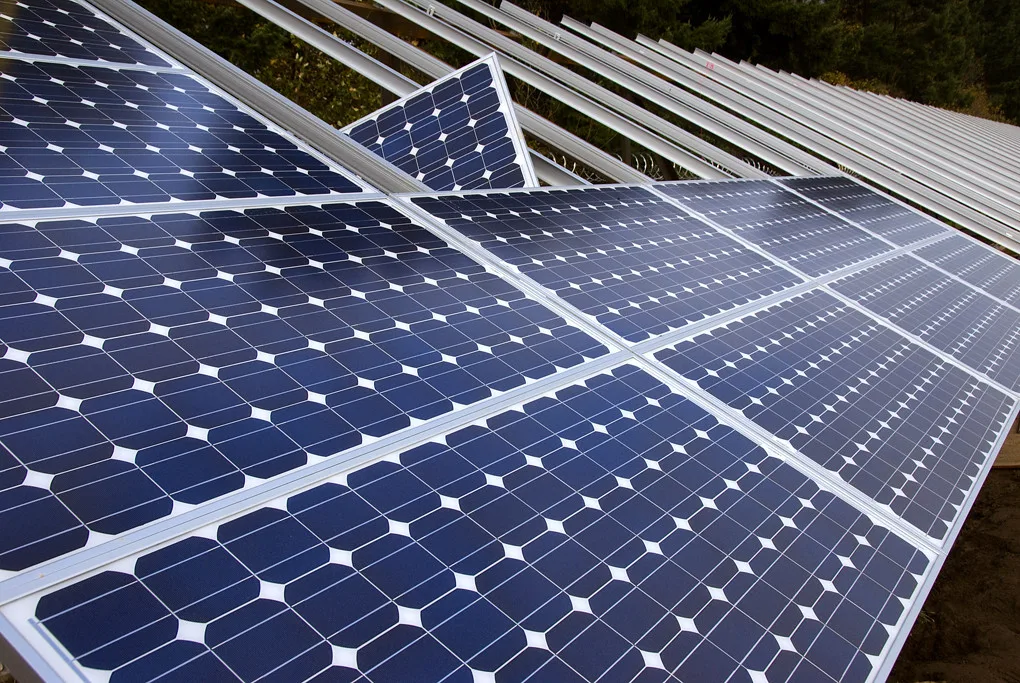
India has proposed making battery storage compulsory for rooftop solar systems larger than 10 kW, with the rule set to take effect in 2028. The measure, reported by Energía Estratégica, targets the country's fast-growing rooftop solar segment and would apply to systems above that threshold.
The proposal lands as India pushes to expand rooftop solar capacity under its clean-energy targets. Smaller systems, those at or below 10 kW, would stay outside the mandate.
Why storage, and why now
Rooftop solar without storage sends power to the grid when the sun is up. That's also when the grid tends to be flush with solar from utility-scale plants. Pairing panels with batteries lets a household or business hold that midday output and draw on it in the evening, when demand climbs and solar fades.
For a system above 10 kW, that's a meaningful amount of power. A 10 kW array in most of India can generate roughly 40 to 45 units a day in good conditions. Storing even part of that changes the economics for the owner and the load on the local network.
The 2028 start date gives installers, battery suppliers and consumers time to adjust. It also leaves room for the details to be worked out. The proposal as reported does not specify the storage capacity required relative to system size, the battery chemistry allowed, or how compliance would be checked.
What it means for the market
India's rooftop solar market has grown on falling panel prices and subsidy schemes aimed at households. Batteries have stayed expensive, and that cost has kept most residential systems storage-free. A mandate for larger systems would push demand toward battery makers and could pull prices down over time as volumes rise.
It would also raise the upfront cost of going solar for anyone planning a system above 10 kW. That covers many small businesses, housing societies and larger homes. Whether subsidies or financing keep pace with the added expense is an open question.
Installers will need to design systems differently. A rooftop job above 10 kW becomes a solar-plus-storage project, with the wiring, inverters and safety planning that implies.
The grid angle
Distribution companies have long complained about rooftop solar pushing power back onto local networks at midday with little warning. Storage at the point of generation eases that. It also gives the grid a way to draw on household batteries during peak hours if the rules eventually allow it.
The proposal follows a broader pattern in Indian energy policy: build the generation first, then add the flexibility. Rooftop solar came first. Batteries are the next step.
For now, the plan is a proposal, not a rule. The 2028 timeline sets the clock. The specifics, from capacity ratios to enforcement, will decide how much it actually changes on the ground.
Source: Energía Estratégica · 27 Nov 2026
Comments
Be the first to comment.
Leave a comment