
India's Grid Can't Keep Up With Its Solar Boom, So Clean Power Goes to Waste
As renewable capacity surges, transmission bottlenecks force operators to curtail green energy, a problem that's costing the country and slowing its transition.
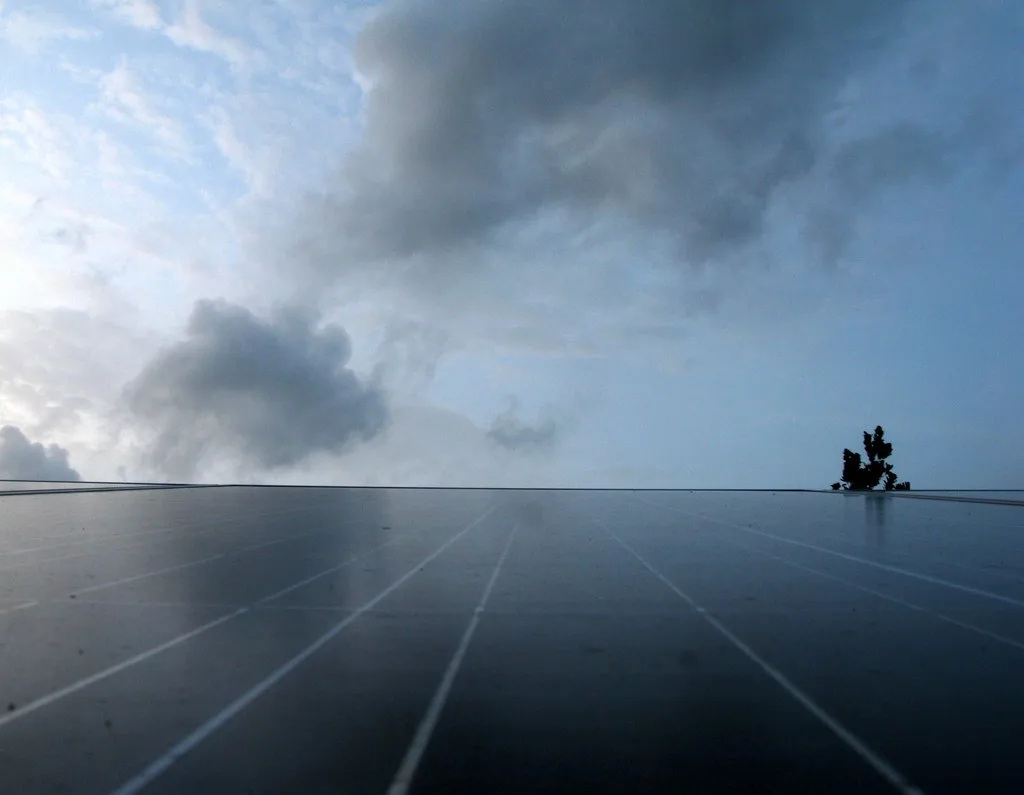
India is building solar and wind farms faster than its grid can handle. The result: a growing amount of clean electricity is being produced and then thrown away.
The BBC reported on Tuesday that grid shortages are forcing the country to waste green energy, a setback for a nation that has staked much of its energy future on renewables.
The problem is curtailment, when operators deliberately reduce output from wind and solar plants because the grid can't absorb the power. It happens when transmission lines are too weak, or when demand doesn't match supply. In India, both issues are acute.
Solar capacity has exploded in recent years, especially in states like Rajasthan, Gujarat and Karnataka. But the grid hasn't kept pace. Substations are overloaded, and long-distance lines to carry power from sunny deserts to cities are often missing or delayed.
"We have the generation, but we don't have the wires," one industry analyst told the BBC, speaking about the mismatch.
The waste isn't just a technical headache. It's a financial one. Developers lose revenue when their plants are told to shut down. Consumers ultimately pay for the inefficiency through higher tariffs. And every megawatt-hour curtailed means more coal burned elsewhere to keep the lights on.
Grid operators say they're caught in a bind. They must keep the system stable, which means balancing supply and demand in real time. When renewables flood the grid, they sometimes have no choice but to pull the plug.
Some states have tried to manage the surge with better forecasting and flexible generation. But the scale of the challenge is huge. India aims to install 500 gigawatts of non-fossil capacity by 2030. Without major grid upgrades, much of that new power could be wasted.
The government has announced plans to strengthen transmission infrastructure, including dedicated corridors for renewables. But building high-voltage lines takes years, and land acquisition remains a hurdle.
In the meantime, curtailment is becoming a routine part of operating a renewable plant in India. For developers, it's a risk they factor into bids. For the climate, it's a missed opportunity.
The BBC report didn't specify how much energy is being wasted, but industry estimates suggest it runs into several terawatt-hours annually. That's enough to power millions of homes.
Fixing the problem won't be quick or cheap. It requires coordination between central and state agencies, investment in storage, and a smarter grid. Until then, India's clean energy boom will keep hitting a wall, one made of copper and steel.
Source: BBC · 22 Sep 2026
Comments
Be the first to comment.
Leave a comment