India’s June 2026 EV Sales Spike, Autopunditz Reports Record Growth
June 2026 saw Indian electric car sales rise sharply, driven by new models and state incentives.
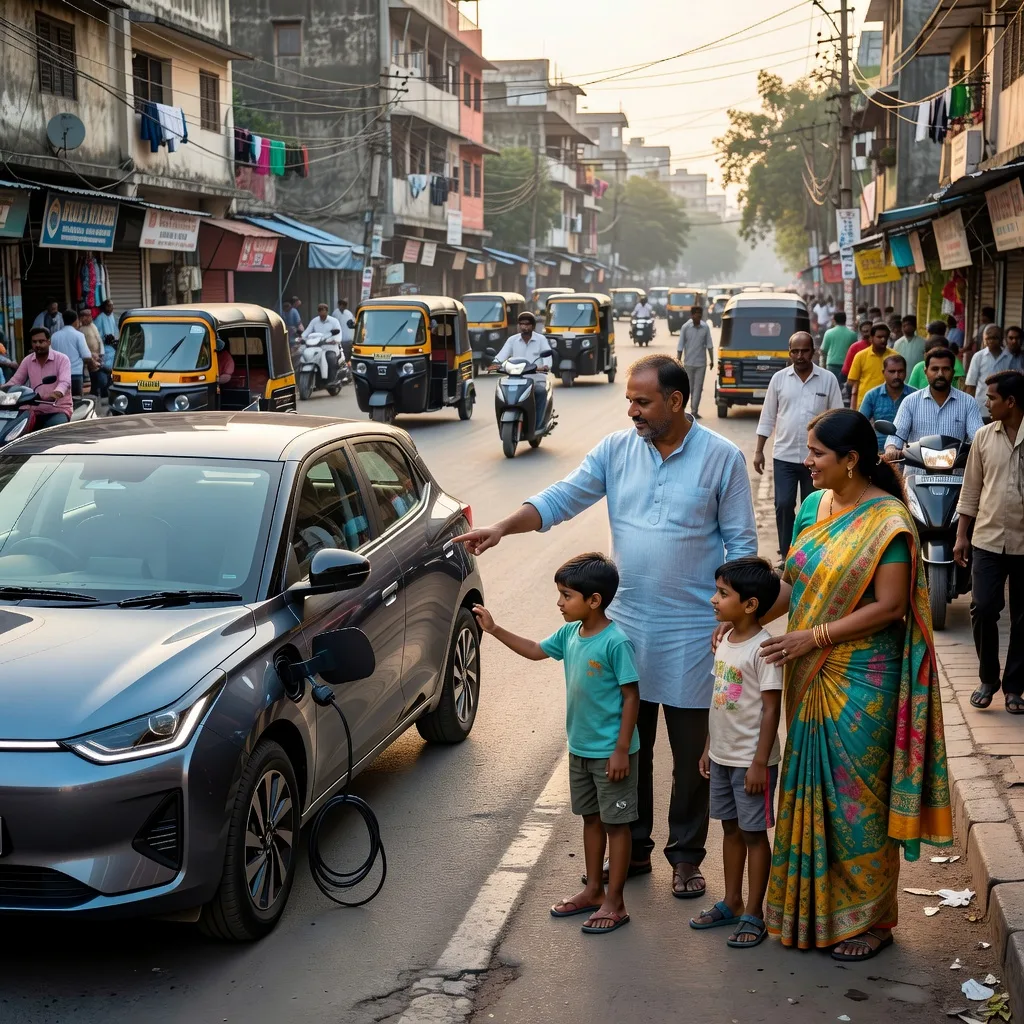
New data from market tracker Autopunditz shows Indian electric car sales jumped 27 percent in June 2026 compared with the same month a year earlier. The rise pushed total EV registrations to 1.18 million units, a level not seen since the market's first surge in 2023.
Key figures for June
Autopunditz recorded 124,000 new electric cars on the road in June. That figure includes both battery‑electric (BEV) and plug‑in hybrid (PHEV) models. BEVs made up 78 percent of the total, while PHEVs accounted for the remaining 22 percent.
- Overall EV market share rose to 9.4 percent of all new car sales.
- Three‑wheelers and two‑wheelers were not part of the count.
- State‑run subsidies covered 18 percent of the price gap for qualifying models.
Drivers behind the surge
Analysts point to a handful of factors that helped the numbers grow. First, the launch of two new affordable BEVs from domestic makers gave buyers more choices under 15 lakh rupees. Second, several state governments extended tax rebates and lowered registration fees for EVs bought before the end of the fiscal year. Third, the expansion of fast‑charging networks in Tier‑2 cities reduced range anxiety for many shoppers.
Dealers also reported that the average time customers spent looking at EVs in showrooms rose from 12 minutes in 2025 to 19 minutes in June 2026. That longer lookat time suggests a deeper interest that goes beyond curiosity.
Top‑selling models
Autopunditz's ranking shows three models leading the pack:
- Tata Nexon EV, 31,000 units \n
- Mahindra eVerito, 24,500 units
- Hyundai Kona Electric, 22,300 units
All three benefited from local production and a price tag that stayed under the 20‑lakh‑rupee threshold.
Regional differences
The south and west regions posted the strongest growth, each posting a 30 percent rise over June 2025. The north lagged with a 19 percent increase, as colder weather and higher upfront costs kept some buyers cautious.
Policy outlook
India's Ministry of Heavy Industries announced in early May that it will raise the national EV incentive ceiling from 20 percent to 25 percent for cars priced below 12 lakh rupees, starting in October 2026. The move is expected to push sales higher in the last quarter of the year.
Experts warn, however, that the market's growth could slow if the supply chain for batteries does not keep pace with demand. Autopunditz notes that imports of lithium‑ion cells fell by 5 percent in June, a sign that domestic capacity still needs to build.
What's next?
Autopunditz expects the July‑September quarter to close with a 12 percent year‑on‑year rise in EV sales. The forecast assumes that new state subsidies stay in place and that manufacturers keep rolling out cheaper models.
For now, the June numbers give a clear sign that India's electric car market is moving from early adoption to a more mature phase, with buyers, makers, and policymakers all playing a part in the shift.
Comments
Be the first to comment.
Leave a comment