
India's scooter market hits EV tipping point as 1 in 3 sales turns electric
Electric scooters now account for one in every three sold in India, according to a Moneycontrol report, marking a shift in the world's largest two-wheeler market.
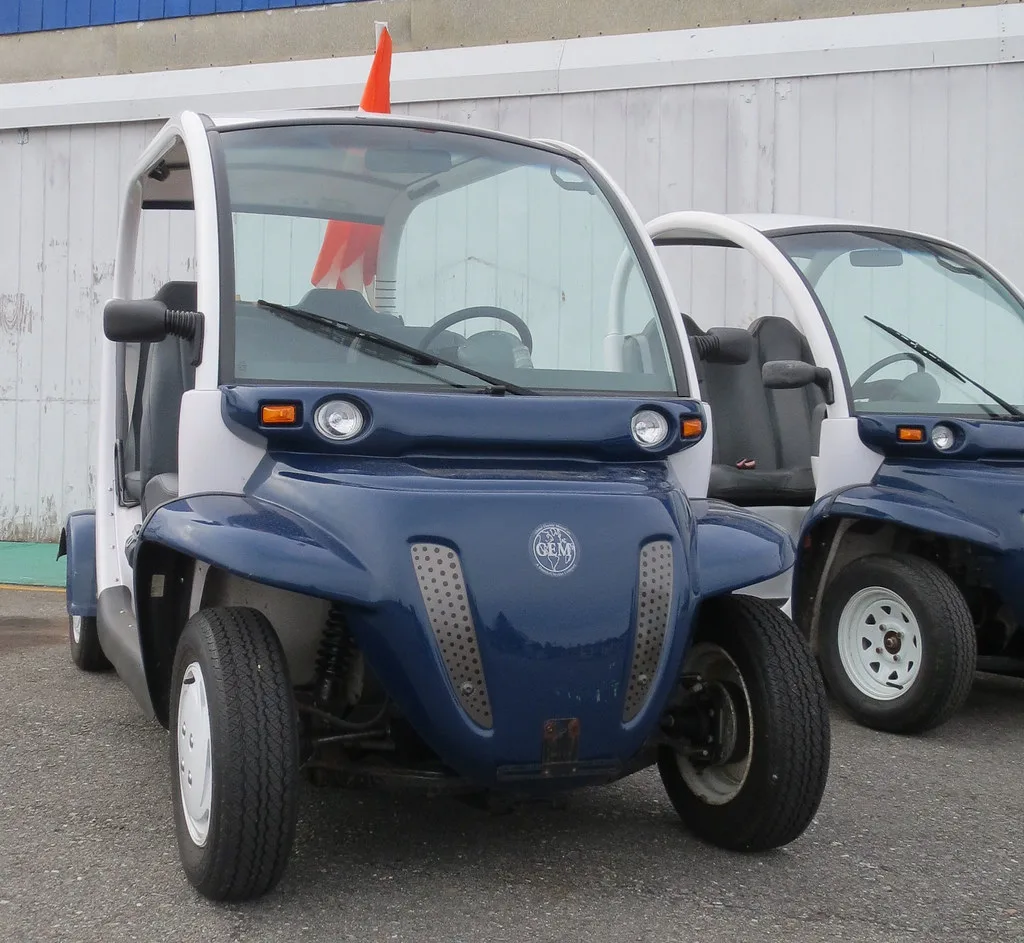
One in three scooters sold in India is now electric. That's the headline from Moneycontrol, and it's a milestone the industry has been creeping toward for years.
The numbers, published on October 12, 2026, show that electric scooters have grabbed a third of the market. Not a niche anymore. Not a pilot project. A third.
For a country where two-wheelers are the default family vehicle, that's a big deal. India is the world's largest market for scooters and motorcycles. When a third of scooter sales go electric, supply chains, charging networks, and policy frameworks have to keep up.
What's driving the shift
Several factors have come together. Battery prices have fallen. State and central subsidies have made upfront costs less painful. And a wave of new models from both established players and startups has given buyers real choices.
Charging is still a worry for many. But for daily commuters in cities, the math often works: lower running costs, fewer moving parts, and the convenience of plugging in at home.
The shift hasn't been smooth. Fires in early electric models scared some buyers. Supply chain snarls hit production. And the subsidy landscape has changed more than once, forcing companies to adapt.
Yet the trajectory is clear. A third of the market is a tipping point. It means electric scooters are no longer an alternative. They're a mainstream option.
What it means for the market
Legacy manufacturers are now racing to electrify their lineups. Startups that bet early on electric are seeing volumes grow. Dealers who once kept a token electric model in the corner are now giving them floor space.
The charging network is still patchy outside big cities. That's the next hurdle. But with a third of sales electric, the incentive to build infrastructure is stronger than ever.
For buyers, more competition means better prices and better products. For the government, it means the transition is happening faster than some forecasts predicted. For the oil import bill, it's a small but growing dent.
One in three. That's not a fad. That's a market shift.
Source: Moneycontrol.com · 12 Oct 2026
Comments
Be the first to comment.
Leave a comment