
Mercedes‑Benz CLA Tops India’s 2026 Long‑Range EV List, Mahindra and Tata Rule the Mass Market
A new ranking shows the Mercedes‑Benz CLA leading the pack while Indian brands Mahindra and Tata fill most of the mainstream slots.
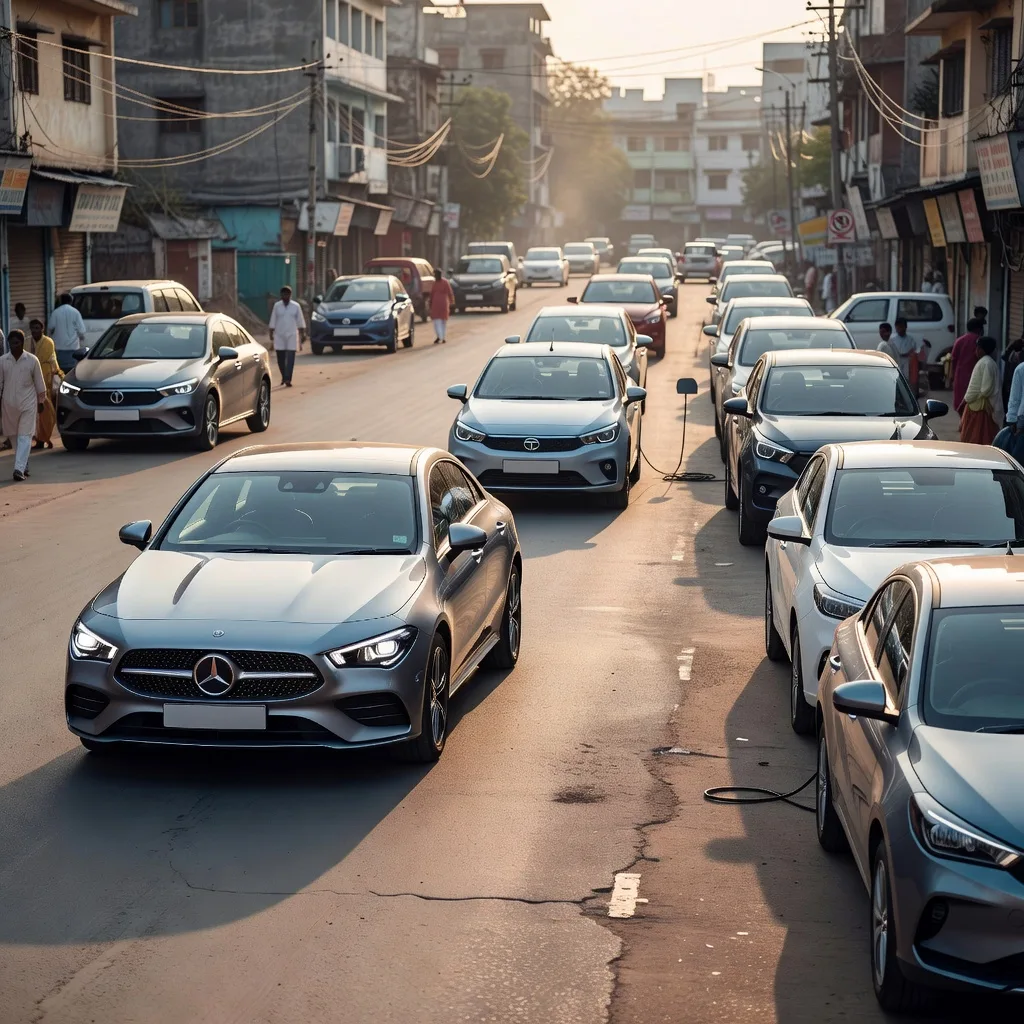
Autopunditz has put together a list of the 15 electric cars that can travel the farthest on a single charge in India for 2026. The ranking is based on the latest WLTP range figures published by manufacturers and verified by local testers.
Top of the table, Mercedes‑Benz CLA
The Mercedes‑Benz CLA electric sedan sits at the top with an official range of about 600 km (373 miles). The car uses the brand's new 77‑kWh battery pack and a rear‑wheel‑drive layout that keeps loss low. Mercedes‑Benz says the CLA can hit 100 km/h in under 8 seconds, but the headline is the range, which beats every other model on the list.
Luxury challengers
Behind the CLA, the Tesla Model Y and the Audi Q4 e‑tron rank second and third with 540 km and 525 km respectively. Both use large battery packs and aerodynamic bodies to cut drag. The Hyundai Ioniq 5 and Kia EV6 follow, each offering around 500 km of range.
Indian brands dominate the mainstream segment
Mahindra and Tata fill most of the spots that sit below the 400‑km mark, where price is the main buying factor. The Mahindra eVerito, priced under ₹10 lakh, offers 300 km, while the Mahindra eXUV300 gives 310 km for a slightly higher price. Tata's Nexon EV and Tata Tigor EV both claim 350 km, making them the most popular choices for city drivers.
- Tata Nexon EV, 350 km
- Tata Tigor EV, 340 km
- Mahindra eVerito, 300 km
- Mahindra eXUV300, 310 km
Mid‑range imports and newcomers
The list also includes several imported models that sit in the 400‑km to 500‑km band. The Volvo XC40 Recharge offers 420 km, while the BYD Atto 3 and Nissan Leaf both give about 410 km. The MG ZS EV, a popular Chinese‑made SUV, delivers 380 km and is often praised for its low running cost.
Why range matters now
India's charging network is still growing, so a longer range reduces range‑anxiety for buyers. The government's push to install 2 lakh fast chargers by 2027 also encourages manufacturers to push the limits of battery tech.
What the ranking means for the market
For premium brands, the CLA proves that high‑end EVs can still command a premium if they give a clear advantage in range. For Indian manufacturers, the strong showing in the middle and lower tiers shows they can build cars that meet local needs without a big price tag. The mix of foreign and home‑grown models suggests India's EV market will stay competitive as more players join the race.
Overall, the list shows a clear split: luxury cars chase the longest ranges, while Indian brands focus on affordable, reliable run‑times that fit everyday use.
Comments
Be the first to comment.
Leave a comment