
Modi Says India's Solar Capacity Jumped From 2 GW to 160 GW in 12 Years
The Prime Minister's figure, shared in a post picked up by ET Manufacturing, puts the twelve-year growth at roughly eighty-fold.
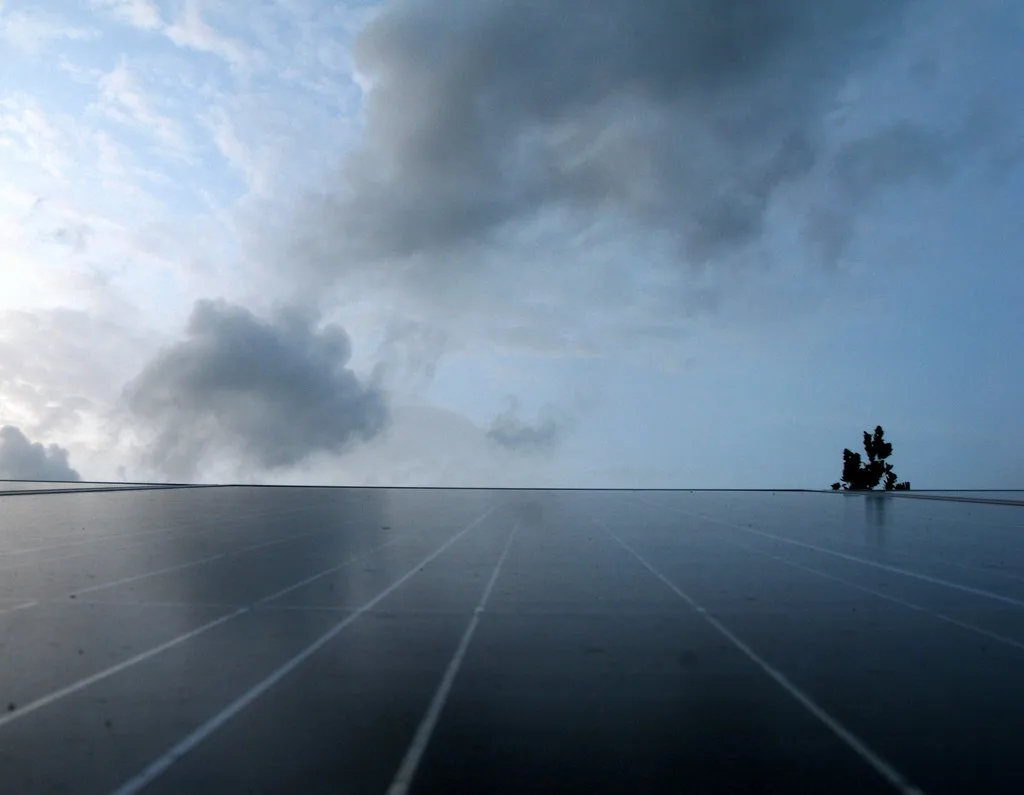
India's installed solar capacity has climbed from about 2 GW to more than 160 GW over twelve years, Prime Minister Narendra Modi said. The claim was carried by ET Manufacturing on Saturday.
The numbers, if taken at face value, describe one of the fastest build-outs of any power source in the country's history. Two gigawatts in 2014. Over 160 GW now. That's roughly an eighty-fold jump.
Modi has repeated versions of this figure at public events through the year, usually alongside wind and hybrid targets. The 160 GW mark lines up with the broader 500 GW non-fossil capacity goal the government has set for 2030.
What the number covers
Solar in India splits into two buckets. Utility-scale parks in Rajasthan, Gujarat, Karnataka and Andhra Pradesh make up the bulk. Rooftop and distributed installations, pushed by the PM Surya Ghar scheme, account for a smaller but growing share.
The 160 GW figure refers to installed capacity, not generation. Solar panels run at a fraction of their rated output depending on weather and time of day, so actual electricity delivered is lower than the headline number suggests. Grid operators manage this with storage, thermal backup and demand shifting.
- Capacity in 2014: about 2 GW
- Capacity now: over 160 GW, per the PM
- Non-fossil target for 2030: 500 GW
Where the growth came from
Three things drove the climb. Falling module prices, a reverse auction regime that pushed tariffs to record lows, and land and transmission support from state governments. Solar tariffs dropped below Rs 2 per unit at several auctions, making new solar cheaper than new coal in many cases.
Domestic manufacturing got a push too. Basic customs duty on imported cells and modules, plus the production-linked incentive scheme, drew investment into Indian factories. That said, India still imports a large share of its cells and wafers, mostly from China.
Transmission has been the bottleneck. Solar parks in sunny states need evacuation lines to reach load centres, and those lines have lagged. Curtailment of solar output has been reported in several states during peak generation hours.
The gap that remains
160 GW is a big number. It's also short of where the government wants to be. India needs to add capacity at a faster clip to hit 500 GW of non-fossil power by 2030, which includes solar, wind, hydro and nuclear.
Rooftop solar has trailed utility-scale by a wide margin, though the Surya Ghar scheme has added millions of households to the pipeline. Storage is the next test. Without batteries or pumped hydro, evening peak demand still leans on coal.
Modi's post didn't give a state-wise breakdown or a commissioning date for the 160 GW figure. The Ministry of New and Renewable Energy publishes monthly capacity data, which is where the number can be checked.
Source: ET Manufacturing · 19 Sep 2026
Comments
Be the first to comment.
Leave a comment