
Modi Says India's Solar Capacity Jumped From 2 GW to 160 GW in 12 Years
The prime minister's figure puts India among the world's largest solar markets, though the 160 GW counts panels, not the power they actually make.
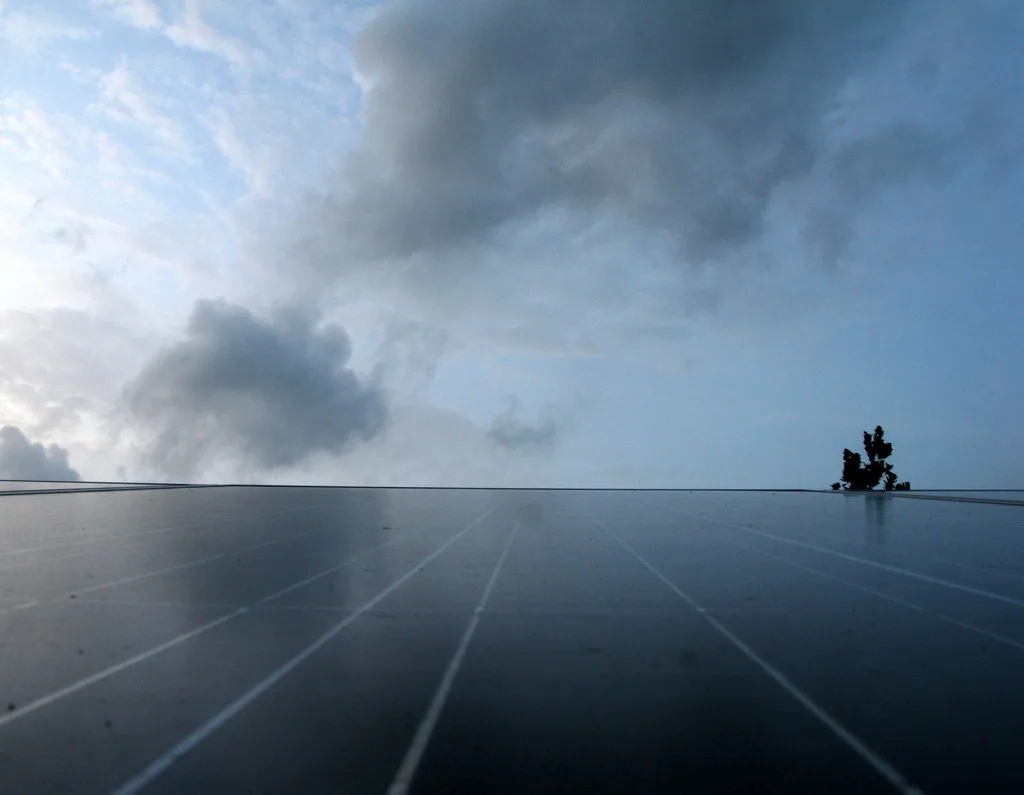
India's installed solar capacity has climbed from about 2 gigawatts to more than 160 GW in 12 years, Prime Minister Narendra Modi said. The remark was reported by energy.economictimes.indiatimes.com on September 19, 2026.
The 2 GW figure dates to 2014, when solar was a rounding error in India's power mix. Coal did the heavy lifting then. It still does.
What changed in between: a national solar mission with a hard capacity target, falling panel prices worldwide, and a rush of auctions that pulled in developers. States with strong sun and cheap land moved first. Rajasthan, Gujarat and Karnataka now hold some of the largest parks in the country.
What the 160 GW number means
Capacity is not the same as generation. A solar plant runs at roughly a fifth of its rated output across a year, because the sun sets. So 160 GW of panels delivers far less electricity than 160 GW of coal would.
That gap matters for the grid. Solar peaks at midday, when demand is moderate. Evening demand, when lights and air conditioners switch on, needs storage or another source. Battery buildout in India is still small next to the panel count.
Transmission is the other bottleneck. Solar parks in dry western states need lines to carry power to load centres in the east and south. Some projects have waited years for that wiring.
Where the growth came from
- Utility-scale parks, auctioned by the Solar Energy Corporation of India and state agencies
- Rooftop systems on homes and factories, pushed by subsidy schemes
- Captive plants built by companies to lock in cheap power
Domestic manufacturing grew alongside. India now makes solar cells and modules at home, though it still imports wafers and polysilicon, mostly from China. Import duties on modules have shifted some of that trade.
The 160 GW figure covers solar alone. Add wind, hydro and biomass and India's renewable capacity is larger still. Coal remains the single biggest source of electricity, and new coal plants are still being built.
Modi's comparison, 2 GW to 160 GW, is a capacity claim. It says nothing about how much of that capacity was running when he spoke, or how much coal was burned the same day.
Source: energy.economictimes.indiatimes.com · 19 Sep 2026
Comments
Be the first to comment.
Leave a comment