
Renewable energy's next test: can India's grid keep up with its solar build-out?
India has added solar and wind capacity at a record clip, but the harder problem now sits in transmission, storage and the grid's ability to absorb it.
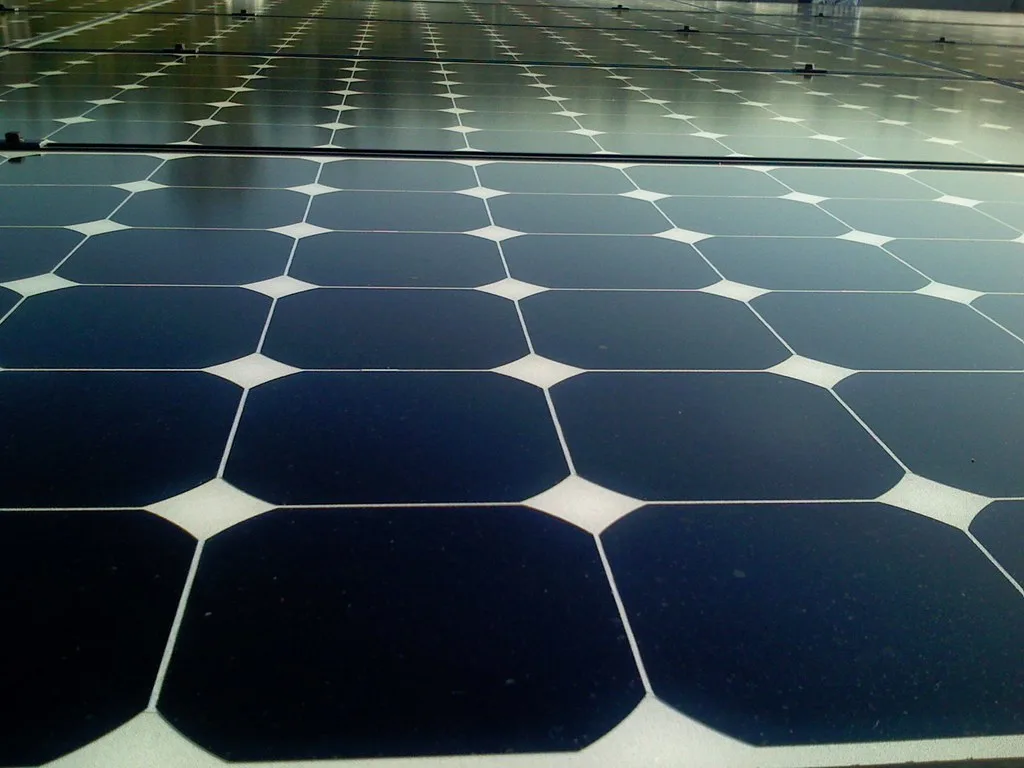
India's renewable energy build-out has moved faster than the wires that carry it. That gap is the next test for the sector, according to a report in The Hindu published on November 9, 2026.
The story frames the challenge plainly: adding solar and wind capacity is one thing, moving that power to where it's needed and keeping the grid steady is another. The country has spent years pushing installations. The harder work now sits in transmission lines, storage and the daily balancing of supply and demand.
Why the grid is the bottleneck
Solar and wind don't behave like coal plants. They produce when the sun shines and the wind blows, not when demand peaks. A grid built around steady, dispatchable generation has to be reworked to handle variable output. That means more transmission capacity, more storage, and better forecasting.
The Hindu's report points to this as the central issue facing the sector. Capacity targets get the headlines. The infrastructure that makes that capacity useful gets less attention.
There's a timing problem too. Renewable projects can be built in a couple of years. Transmission corridors take longer, often because of land acquisition and right-of-way issues. The mismatch between how fast generation comes up and how fast the grid catches up is where projects stall.
What the sector is watching
Several things sit on the watchlist:
- Whether transmission projects get commissioned on schedule, or slip the way they have in past cycles.
- How much battery storage actually gets built, and at what cost.
- Whether state utilities are willing to sign power purchase agreements that reflect the real cost of integrating variable generation.
- How grid operators manage the evening ramp, when solar drops off and demand climbs.
None of these are new problems. They've been flagged for years. What's changed is scale. The volume of renewable capacity now in the pipeline makes the integration question urgent rather than theoretical.
The money question
Transmission and storage cost money, and someone has to pay. Tariff design, the split between central and state funding, and the willingness of distribution companies to absorb higher costs all shape how fast the grid gets upgraded. Discoms are already under financial pressure. Adding integration costs to their books is a hard sell.
The Hindu's piece doesn't offer a tidy answer. It lays out the problem and leaves it there. That's fair. There isn't a tidy answer yet.
The renewable sector has spent a decade proving it can build. The next few years will show whether the system around it can keep pace. For developers, the risk is real: a project that can't evacuate power is a project that doesn't earn. For the grid, the risk is reliability. For consumers, it's the bill.
The test isn't whether India can add more solar and wind. It's whether the country can use what it adds.
Source: The Hindu · 9 Nov 2026
Comments
Be the first to comment.
Leave a comment