
SECI and Home Ministry Sign MoU on Rooftop Solar Under PM Surya Ghar
The agreement brings the Home Ministry into the rooftop solar push, though the published details so far are thin.
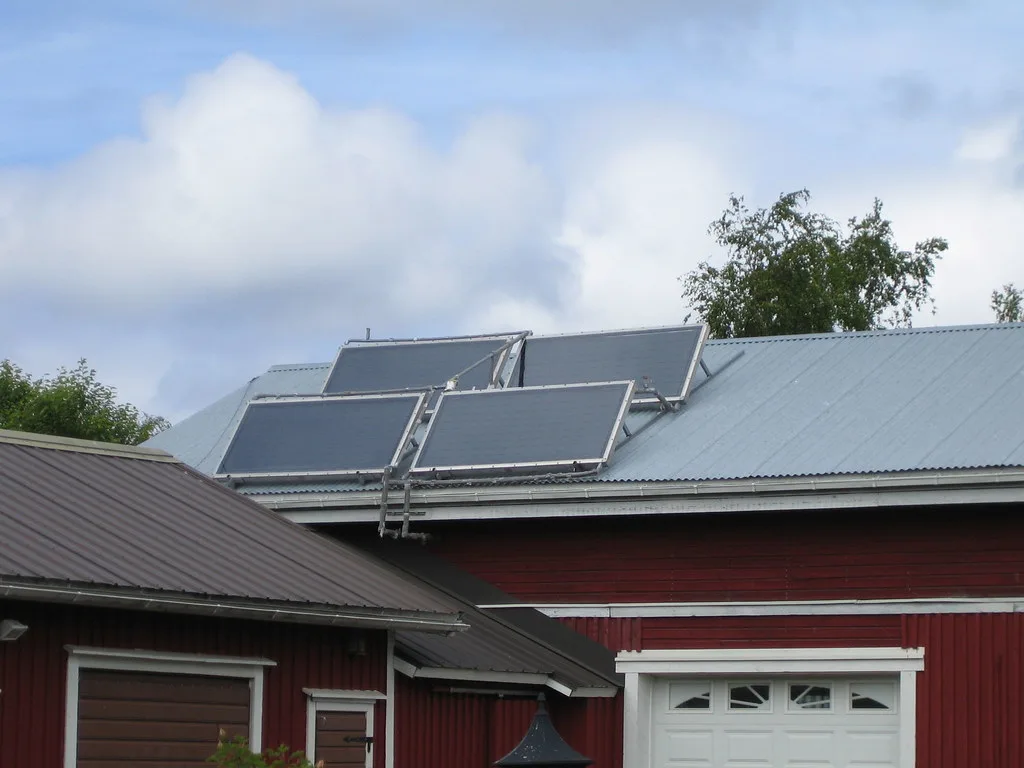
Solar Energy Corporation of India has signed a memorandum of understanding with the Ministry of Home Affairs to take rooftop solar installations forward under PM Surya Ghar, according to a report by Energetica India Magazine. The agreement was reported on 24 October 2026.
The MoU links SECI, the central agency that runs most of India's large solar tenders, with the ministry that oversees the country's police forces, central armed police units and a sprawling estate of offices and residential quarters. Rooftop solar under PM Surya Ghar has so far moved mainly through state electricity distributors and empanelled vendors, with households applying for subsidies on the national portal.
What the MoU actually commits the two sides to is not spelled out in the published report. There's no stated capacity target, no timeline, and no figure for how much of the Home Ministry's building stock might be surveyed or fitted with panels. Those details will matter. A memorandum between a ministry and a solar agency can mean anything from a joint survey of rooftops to a firm installation schedule.
Why the Home Ministry matters
The ministry holds a large and scattered portfolio of buildings: central armed police force campuses, border outposts, training academies and staff housing across states. Many of these are in places where the local distribution company has weak capacity to process rooftop applications quickly. Bringing in a central agency like SECI could sidestep some of that.
SECI's role in rooftop solar has been smaller than its role in utility-scale auctions. The corporation has handled aggregation and tender work for government buildings before, but household rooftop remains a state-level business in practice. The MoU suggests the Centre wants to use its own buildings as a demonstration base.
PM Surya Ghar, launched in 2024, aims to install rooftop solar in one crore households and offers a central subsidy that steps down by system size. The scheme has run into familiar problems: slow approvals from distributors, uneven vendor quality, and a gap between applications and completed installations. Government rooftops are, in theory, an easier place to start because the owner and the occupant are the same entity.
What's still unknown
- How much capacity the MoU is meant to deliver.
- Which Home Ministry buildings or campuses are covered.
- Whether SECI will tender the work, act as an aggregator, or only coordinate.
- How the installations will be funded and metered.
GreenEarth News could not independently verify the scope of the agreement beyond the Energetica India report. Requests for detail from SECI and the Home Ministry were not immediately answered.
The signing itself is a small administrative step. Whether it turns into panels on police barracks and staff quarters depends on the paperwork that follows. For now, the record shows a signature and a date: 24 October 2026.
Source: Energetica India Magazine · 24 Oct 2026
Comments
Be the first to comment.
Leave a comment