
SECI Tenders 6-Hour Solar-Storage to Push Past Daylight Hours
India's state-backed tendering agency is testing whether solar paired with batteries can deliver power into the evening peak, not just at noon.
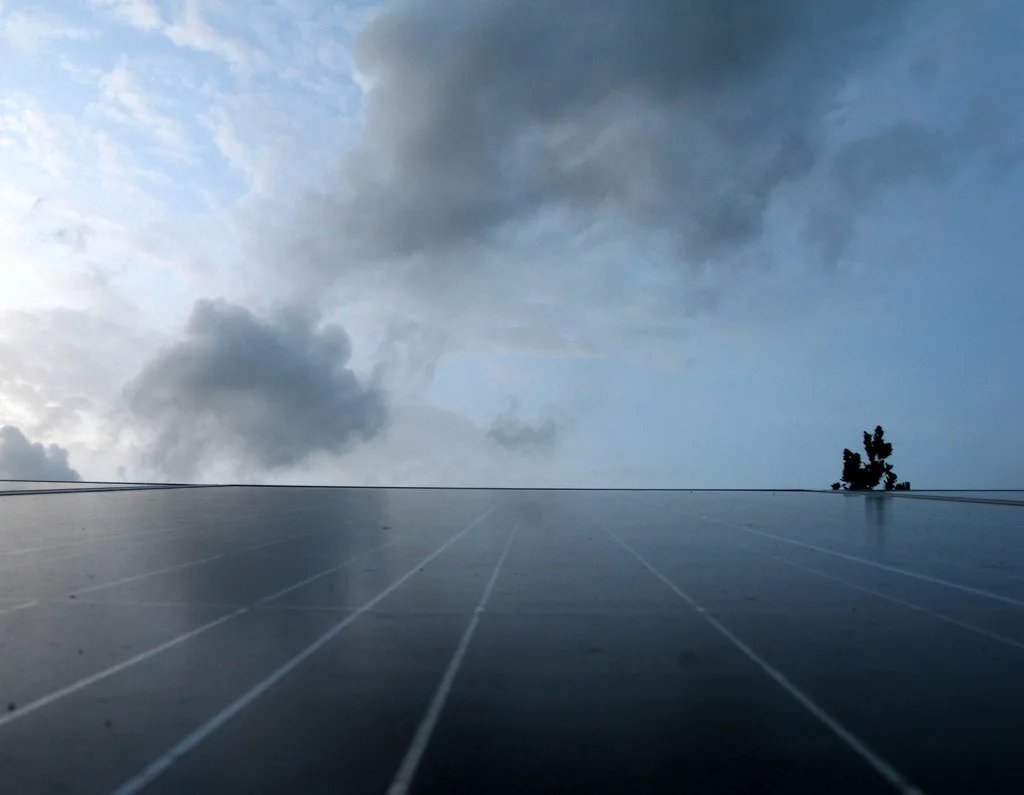
Solar power in India has a timing problem. Panels generate most of their electricity between roughly 9 am and 4 pm. Demand peaks later, when air conditioners and lights switch on and the sun is going down.
SECI, the Solar Energy Corporation of India, is trying to close that gap. The agency has moved into tenders that pair solar projects with battery storage sized to supply power for about six hours, according to Saur Energy. The shift marks a step away from the plain vanilla solar auctions that built India's utility-scale fleet over the past decade.
Why six hours matters
A six-hour storage window is long enough to carry solar output from the afternoon into the evening peak. That's the slot where India currently leans on coal and gas plants, and where grid operators have the least flexibility.
Batteries aren't cheap. Storage adds capital cost to every megawatt of solar, and developers have to recover it through tariffs. SECI's tenders are structured to test whether the market can deliver that power at a price discoms will accept.
The agency has run storage-linked tenders before, including round-the-clock and peak-supply contracts. Those auctions drew interest from large developers, though some saw tepid bidding. The six-hour format sits between those models and plain solar.
What's driving it
- India's renewable capacity target of 500 GW by 2030 needs firm, dispatchable power, not just daytime generation.
- Battery prices have fallen, though they remain volatile on lithium and cell supply.
- Discoms want power when customers use it, not when it's cheapest to produce.
Grid operators have flagged that adding more solar without storage worsens the evening ramp. Coal plants have to swing faster to cover the gap, and that raises costs and emissions.
SECI's role here is as an intermediary. It signs power purchase agreements with developers and sells electricity to discoms, absorbing some of the risk that a single state utility might not want to carry.
The open questions
Tariffs will decide how fast this scales. If six-hour solar-storage lands close to the cost of new coal, discoms will sign. If it doesn't, the tenders may undersubscribe, as some earlier storage auctions did.
There's also the question of where the batteries come from. India is building a domestic cell manufacturing base, but imports still dominate. A storage-heavy pipeline leans harder on that supply chain.
And the six-hour block is a design choice, not a universal answer. Some grids need two-hour peaking batteries. Others need longer-duration storage that lithium-ion can't yet deliver cheaply.
SECI hasn't said how many such tenders it plans to run or what capacity it's targeting in this format. The agency's next auction results will show whether developers bite.
For now, the bet is straightforward. Solar built India's clean-energy base. Storage is the test of whether that base can run the grid after dark.
Source: Saur Energy · 14 Sep 2026
Comments
Be the first to comment.
Leave a comment