
Storage starts plugging solar's night-time gap in India
Battery-backed solar is moving from pilot projects to a working answer for the hours after sunset, according to a report on India's clean-energy shift.
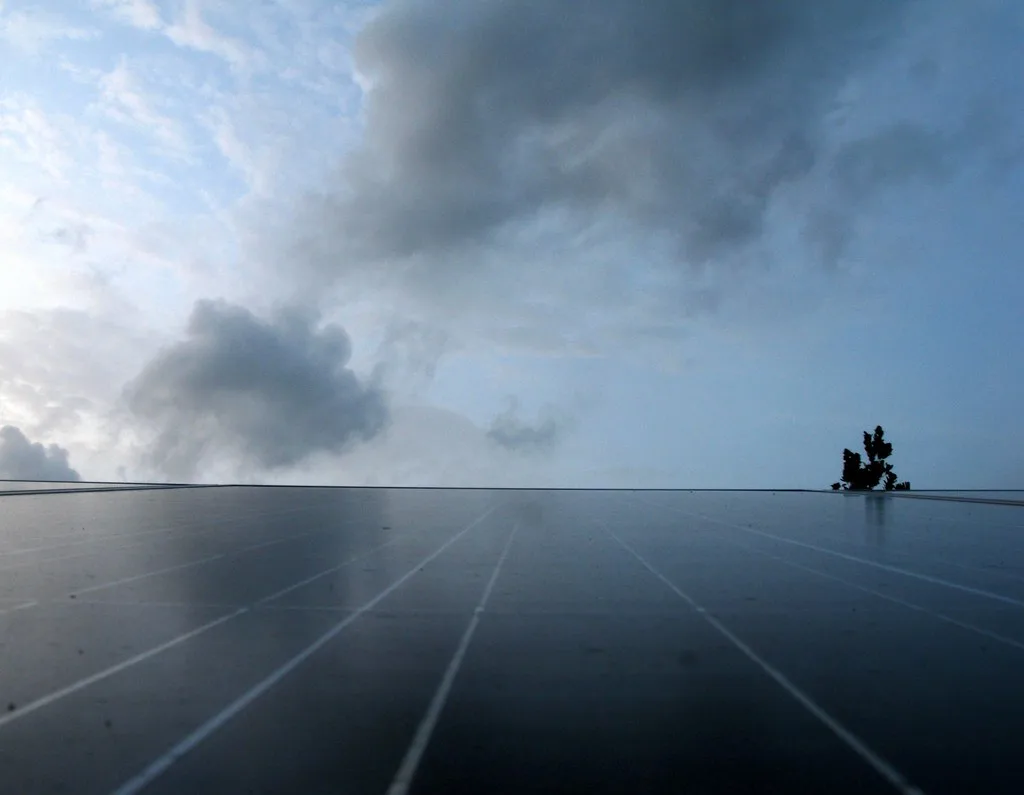
Solar power has always had one obvious flaw. The sun sets, and the panels stop. For years that gap was filled by coal and gas plants running through the night.
That's changing. Storage is now being used to hold daytime solar generation and push it into the evening peak, according to a report by ET EnergyWorld. The headline says it plainly: storage is already beginning to solve solar's biggest problem.
The idea isn't new. What's new is that it's happening on the grid, not just in demonstration projects. Batteries charge when solar output is high and prices are low, then discharge after dark when demand climbs.
Why the night gap mattered
India's solar buildout has been fast. Rooftop systems, utility-scale parks and hybrid plants have added gigawatts in recent years. But without storage, that power is only useful while the sun is up. Evening demand, when homes switch on lights and air conditioners, has stayed tied to fossil fuels.
Storage flips that. A battery paired with a solar plant can shift the same electron from noon to 8 pm. That's the whole trick.
- Batteries charge on surplus solar during the day
- They discharge into the evening peak
- The result is fewer gas and coal plants needed at night
The economics are still tight. Battery packs remain expensive, and round-trip losses eat into the energy. But costs have fallen enough that developers are signing storage-linked contracts rather than waiting for a breakthrough.
What it means for the grid
Grid operators care about one thing at night: keeping the lights on. Storage gives them a dispatchable resource that doesn't need fuel. It can ramp up in seconds, unlike a coal plant that takes hours to warm.
That matters as India adds more variable renewables. The more solar on the system, the sharper the evening ramp. Storage smooths it.
There are limits. Most battery installations today run for two to four hours. That covers the evening peak, not the whole night. Longer-duration storage, whether pumped hydro or newer chemistries, is still needed for the small hours.
Policy has started to catch up. Tenders now often bundle storage with solar. States with high renewable shares are watching closely.
The shift is quiet. No ribbon-cutting, no dramatic announcement. Just batteries doing their job after sunset.
For a country chasing 500 GW of non-fossil capacity, that quiet work may matter more than any headline number. The sun goes down every day. Now the power doesn't have to.
Source: ET EnergyWorld · 23 Sep 2026
Comments
Be the first to comment.
Leave a comment