
TERI Study Points to Higher Wind Energy Potential in India
A new TERI assessment suggests India's wind resource may be larger than earlier estimates, with implications for the country's renewable targets.
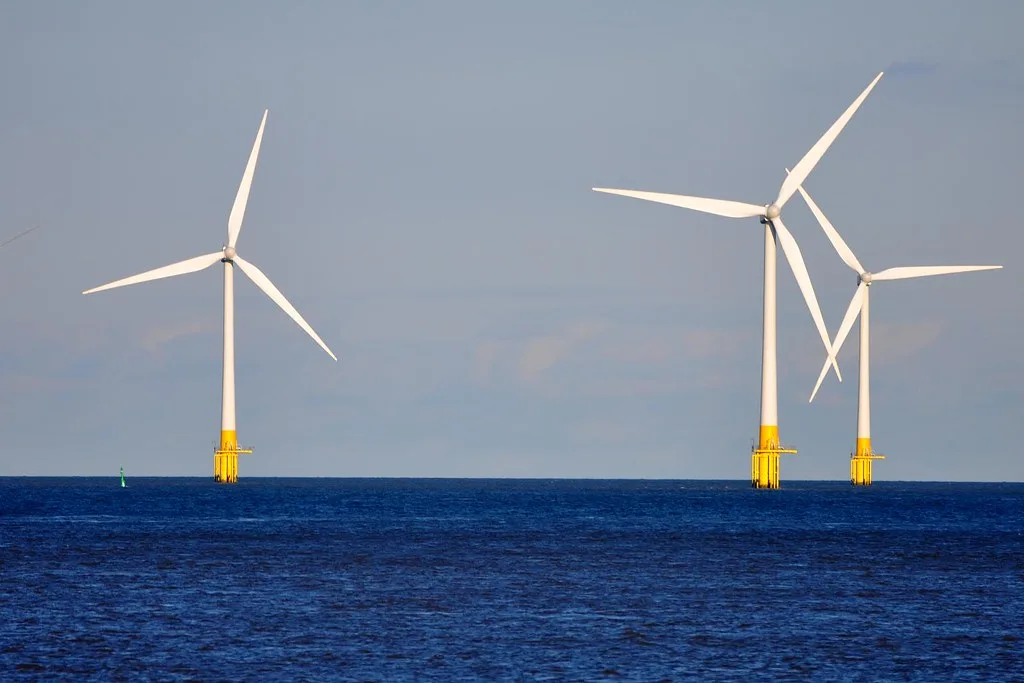
A study by The Energy and Resources Institute (TERI) has found that India's wind energy potential is higher than previously assessed, according to a report by IndiaWest published on November 5, 2026.
The finding matters for a country that has bet heavily on wind to meet its clean-energy goals. India has long ranked among the world's largest wind markets, with installed capacity concentrated in a handful of states. If the resource base is larger than assumed, the runway for new projects could be longer than planners thought.
Details of the study's methodology and the revised figures were not immediately available in the IndiaWest report. It's unclear whether the higher estimate comes from better wind measurements, taller turbine hub heights, improved modeling, or a combination of the three. Each would carry different implications for where projects can go and what they cost.
Why the estimate matters
Wind potential estimates aren't academic. They feed into state-level auctions, transmission planning, and the siting decisions that developers make years before a turbine goes up. A higher number can open regions that were written off under older assumptions.
India's wind buildout has leaned on a few strong resource zones. Tamil Nadu, Gujarat, Karnataka, Maharashtra, and Rajasthan have carried most of the load. If TERI's work shows viable potential elsewhere, that changes the map for developers and grid planners alike.
The study lands as India works toward ambitious renewable capacity targets. Wind has trailed solar in recent additions, partly because of land, transmission, and financing hurdles. A bigger resource base doesn't erase those problems. But it does shift the conversation about how much wind the country can realistically build.
Questions that remain
The IndiaWest report gives the headline finding without the underlying numbers. That leaves several open questions:
- How much higher is the revised potential, and compared with which earlier estimate?
- Does the study account for offshore wind, or only onshore?
- What assumptions does it make about turbine technology and hub height?
- Which states or regions gain the most under the new assessment?
TERI has not publicly detailed those points in the material available at the time of writing. Developers and policy watchers will want the full study before revising their own plans.
For now, the takeaway is simple. A respected Indian research institute says the wind resource is bigger than the country has been counting on. Whether that translates into steel in the ground depends on the details still to come.
Source: IndiaWest · 5 Nov 2026
Comments
Be the first to comment.
Leave a comment