
West Asia conflict pushes India and EU to widen wind energy trade
BusinessLine reports the two sides are looking at closer cooperation on wind equipment and supply chains as the conflict disrupts energy markets.
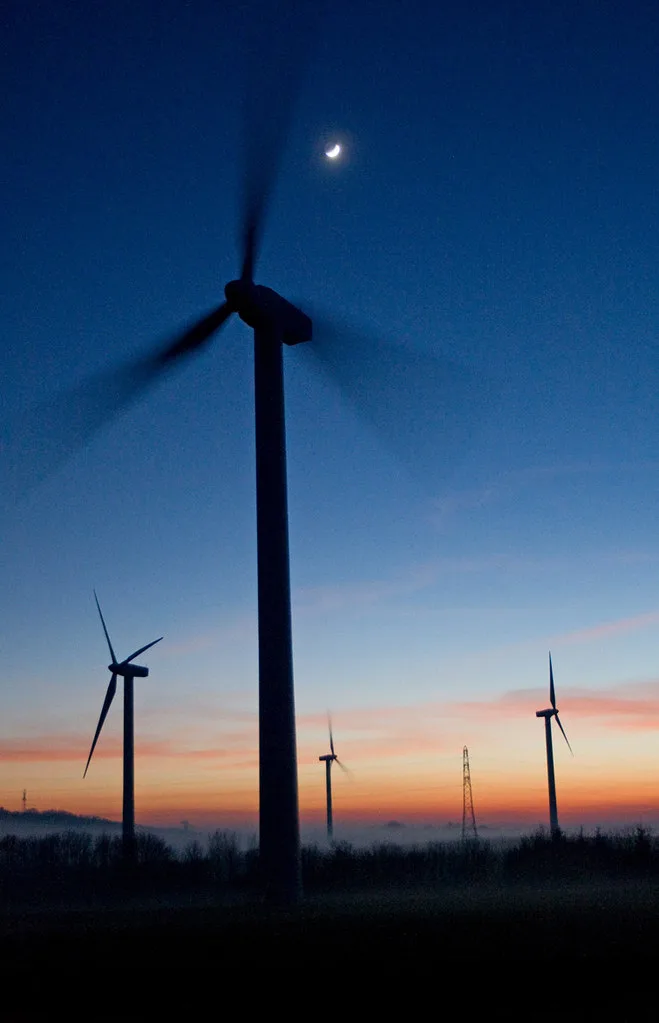
India and the European Union are moving to expand wind energy trade, with the conflict in West Asia pushing both sides to look harder at supply chains and cross-border equipment flows. BusinessLine reported the development on Friday.
The report ties the push directly to the war. Disruption in West Asia has sharpened the case for energy sources that don't depend on volatile fossil fuel routes, and wind sits high on that list for both Brussels and New Delhi.
Why wind, why now
Europe has spent years building out offshore and onshore wind capacity. India has a large and growing turbine manufacturing base, plus one of the world's bigger onshore wind markets. The two fit together on paper: Europe brings demand and project expertise, India brings components and cost.
The conflict has made that fit more urgent. Shipping routes and fuel prices have been unsettled, and both governments are under pressure to lock in cleaner, more predictable energy supplies.
Details of the arrangement are still thin. BusinessLine's report does not spell out tariff changes, investment figures or a timeline. What it does show is intent, the two sides are talking about wind trade in a way they weren't before the conflict escalated.
The trade angle
Wind energy trade runs on more than finished turbines. Blades, towers, nacelles, gearboxes and rare-earth magnets all cross borders, and supply bottlenecks in any one of them can stall a project for months. For India, closer ties with the EU could mean more orders for domestic manufacturers. For Europe, it could mean a steadier source of components as it tries to hit its renewable targets.
There's a catch. European manufacturers have their own domestic industry to protect, and trade talks on clean energy hardware have run into friction before. India, for its part, has been pushing local manufacturing under its own incentive schemes. How those two priorities square up is the open question.
The West Asia conflict adds a security dimension. Energy trade that once looked purely commercial now gets weighed against geopolitical risk. Wind doesn't need a tanker or a strait. That's part of its appeal right now.
What happens next
Neither side has announced a formal agreement. The BusinessLine report points to enhanced trade cooperation as the direction of travel, not a done deal. Watch for working groups, trade delegations and any movement on component tariffs in the coming months.
For India's wind sector, the timing matters. The country has set ambitious renewable targets and is trying to scale manufacturing at the same time. A bigger European market next door would help fill order books. A stalled negotiation would leave things where they are.
The story is still developing. BusinessLine's report is the first clear signal that the West Asia conflict has nudged India and the EU toward each other on wind, a link that few would have predicted a year ago.
Source: BusinessLine · 6 Nov 2026
Comments
Be the first to comment.
Leave a comment