
Assam’s e‑wheel boom outpaces policy and charging rollout
Electric two‑wheel sales in Assam are soaring while government support and charging stations lag behind.
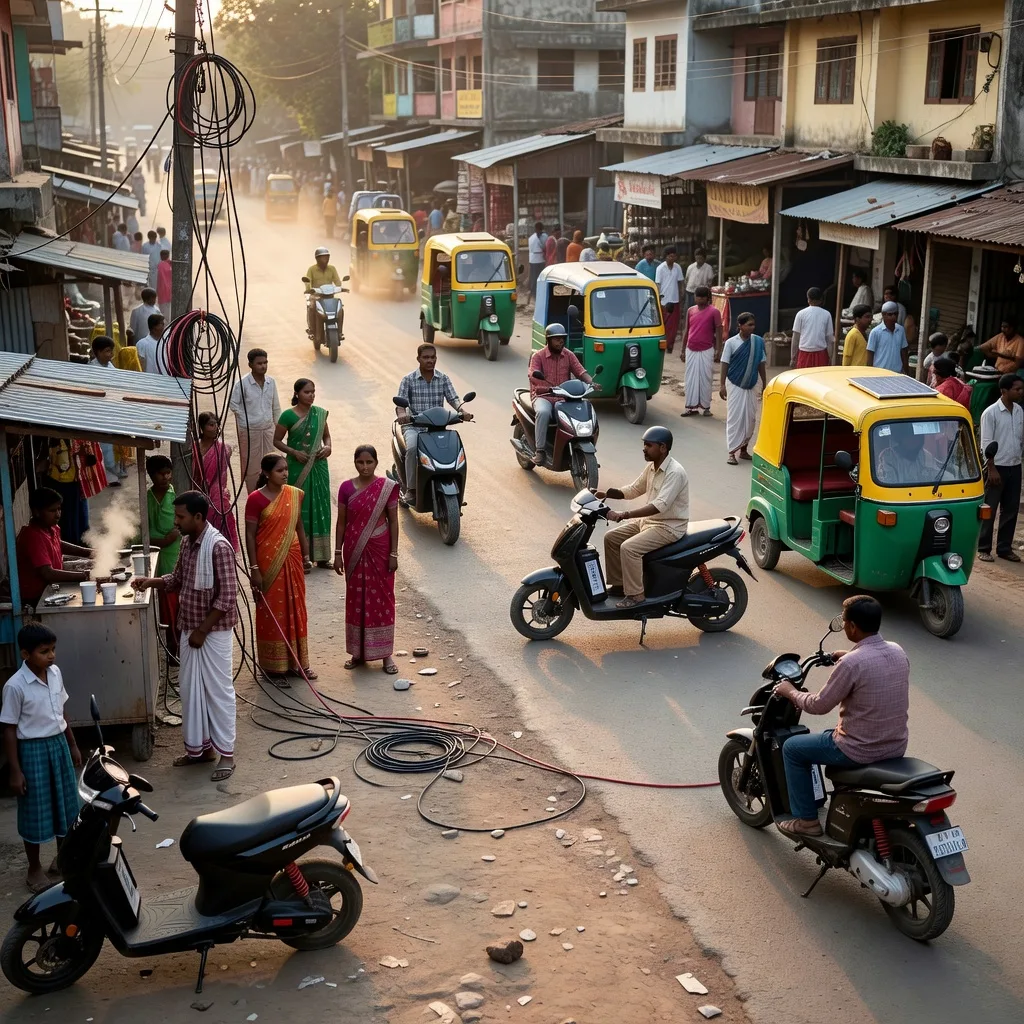
Electric two‑wheelers, often called e‑wheels, have become a common sight on the streets of Assam in the past two years. Sales of e‑rickshaws and e‑scooters grew by more than 40 % in 2023, according to data from the Assam Transport Department and industry groups. The surge reflects lower running costs, tighter fuel prices and a growing awareness of pollution.
Rising sales
Manufacturers report that demand in Assam now exceeds that in many other Indian states. Small firms in Guwahati and Jorhat say they can hardly keep up with orders. The state's urban centres saw the sharpest rise, but even rural towns report a noticeable uptick as commuters switch from diesel‑run rickshaws.
Policy gaps
State policy has struggled to keep pace. The Assam government announced a subsidy of ₹5,000 per e‑vehicle in 2022, but the scheme faced delays and limited outreach. Officials admit that the rollout of incentives has been slower than the market's growth. Critics say the lack of a clear long‑term plan makes it hard for businesses to plan investments.
Charging network lag
Charging stations are the most visible shortfall. A 2023 audit by the Centre for Sustainable Transport found only 120 public chargers in the whole state, compared with the 500 that would be needed to serve the current fleet. Most chargers sit in Guwahati, leaving peripheral areas with few options. Private operators have begun to set up modest networks, but they face high land costs and a fragmented regulatory environment.
State response
In response, the Assam Ministry of Power announced a plan to add 300 public chargers by the end of 2025. The plan includes a mix of fast chargers at bus depots and slower units at market squares. The ministry also said it will simplify the approval process for private firms that want to build chargers.
Industry groups welcome the move but warn that funding and execution will be key. "We need clear guidelines and timely disbursement of funds," said Rajiv Das, director of the Assam E‑Vehicle Association. "Otherwise the gap will keep growing."
Looking ahead
Analysts say Assam's e‑wheel market could double again within five years if charging infrastructure improves and policy support becomes more predictable. The state's low‑carbon goals hinge on closing the gap between demand and support.
For now, commuters continue to use e‑wheels because they work, even as they wait for more chargers and clearer incentives.
Comments
Be the first to comment.
Leave a comment