
Centre Tells EV Industry to Make Economics Work as Subsidy Test Looms
The government wants electric vehicle makers to stand on their own feet, but the numbers still don't add up for most buyers.
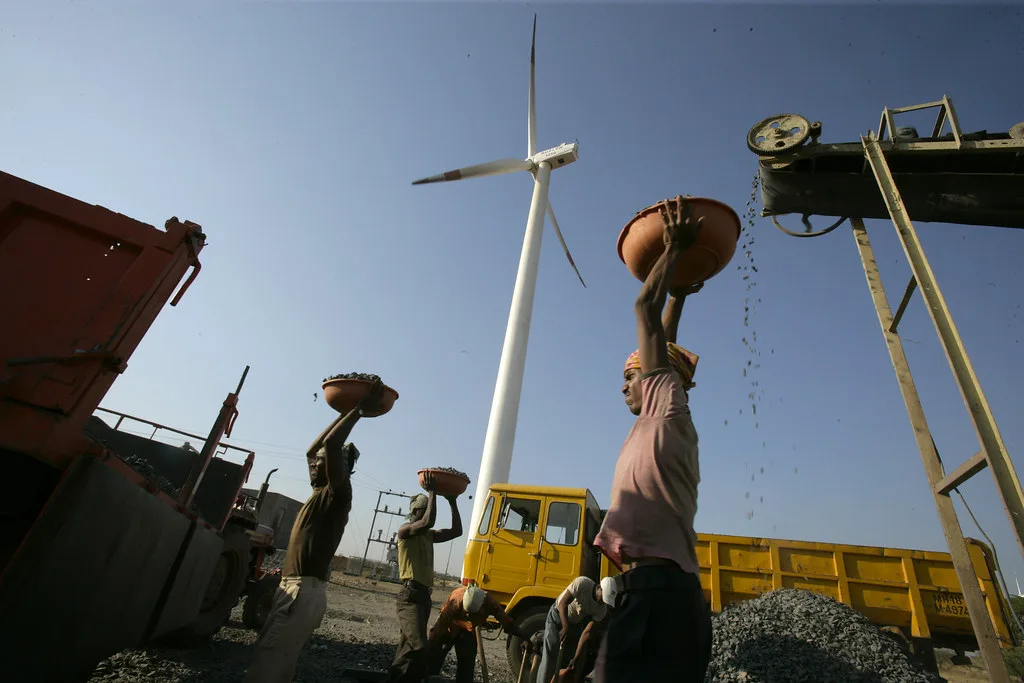
The Centre has a message for India's electric vehicle industry: make the economics work. That's the thrust of a fresh push from the government as it weighs the future of subsidy support for EVs, according to a BusinessLine report published on September 18, 2026.
The ask is blunt. Subsidies have done their job getting EVs on the road. Now the industry has to show it can sell cars, scooters and buses without the government writing a cheque for every unit.
What's at stake
India's EV market has grown on the back of schemes like FAME and state-level incentives. Those programmes cut the upfront price for buyers. Remove them, and the sticker price jumps.
For two-wheelers, the gap is smaller. For cars and buses, it's wider. Battery packs remain the single biggest cost driver, and domestic manufacturing of cells is still ramping up.
The Centre's position is that the industry has had years of support. The next phase has to be about cost reduction, local supply chains and scale. Not another round of handouts.
The industry's counter
Manufacturers argue that the market is still young. Charging infrastructure is patchy. Financing for EVs costs more than for petrol vehicles. Buyers in smaller towns worry about resale value and service networks.
None of that disappears just because the government wants it to. The industry's line is that a sudden subsidy withdrawal could stall adoption right when it's picking up.
There's also the question of what happens to the supply chain. Cell makers, component suppliers and assemblers have all built capacity on the assumption of continued policy support. A sharp pivot would leave some of that stranded.
The subsidy test
What the Centre is really testing is whether the industry can close the price gap on its own. That means cheaper batteries, better local sourcing and more efficient manufacturing. It also means convincing buyers that an EV makes financial sense over five or seven years, not just on day one.
Some segments are closer to that point than others. Electric three-wheelers and two-wheelers already compete on running costs in many cities. Electric cars are a harder sell without incentives.
The government hasn't announced a final decision on subsidy levels. The signal, though, is clear: the industry needs to make the maths work for the buyer, not for the balance sheet.
For now, the ball is in the industry's court. Whether it can run with it without a government push is the question the next few quarters will answer.
Source: BusinessLine · 18 Sep 2026
Comments
Be the first to comment.
Leave a comment