
Delhi’s Push for 1 Million EVs by 2026 Aims to Clear the Smog
The capital plans a steep rise in electric cars and two wheelers to cut emissions and ease health risks.
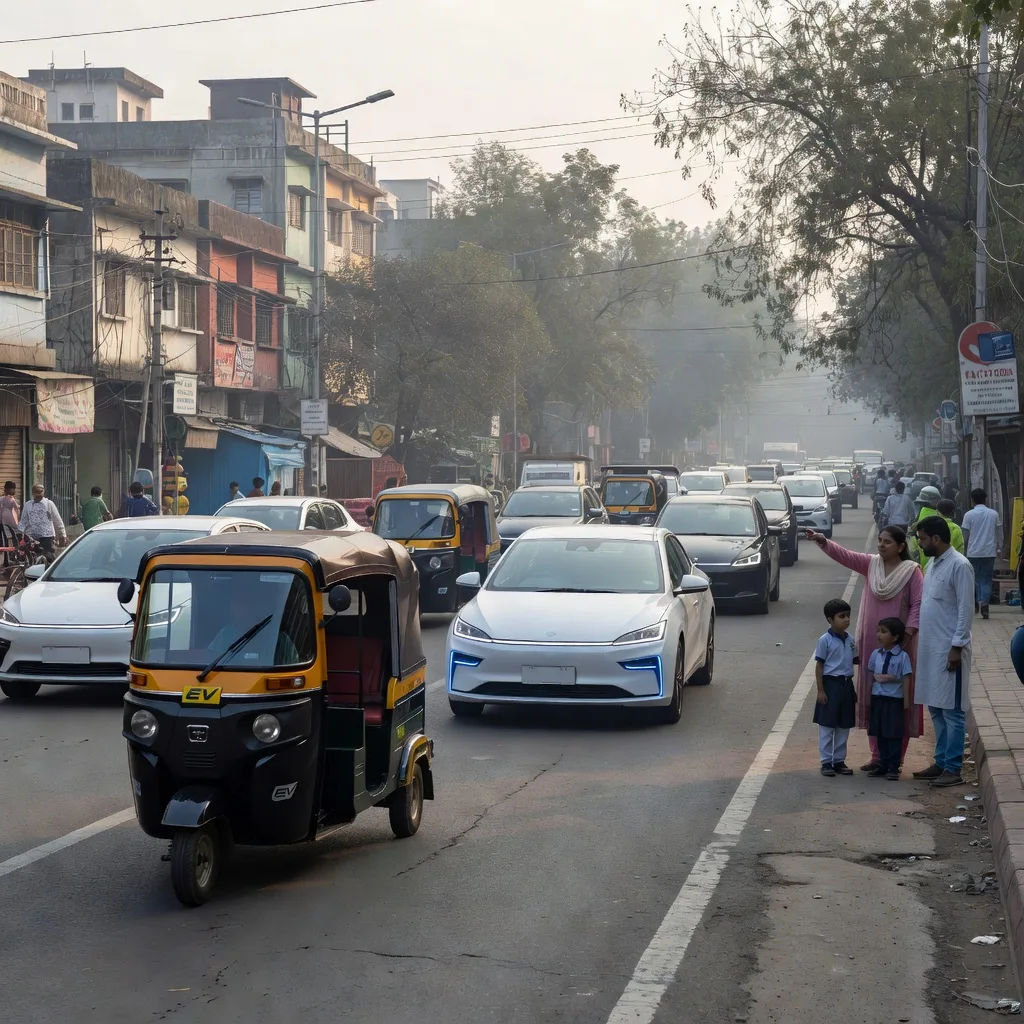
New Delhi and the surrounding Delhi-NCR region have set a target to register one million electric vehicles (EVs) on the road by 2026. The move is part of a broader effort to lower air pollution that regularly spikes to hazardous levels during winter.
Why the push now?
Air quality monitors in the capital have recorded particulate matter (PM2.5) concentrations that exceed World Health Organization guidelines for most of the year. Health officials link the poor air to rising rates of respiratory disease, especially among children and the elderly. City officials say that shifting a sizable share of commuters to EVs can cut tailpipe emissions that contribute to the smog.
What the plan includes
The government will roll out several measures to meet the goal:
- Subsidies for buyers of electric cars, scooters and three‑wheelers, with higher rebates for low‑income households.
- Installation of 2,500 public charging points across the city by the end of 2024.
- Tax breaks for companies that convert fleet vehicles to electric power.
- Relaxed registration fees for EVs and free parking in designated zones.
Officials also announced a partnership with local utilities to ensure that new charging stations draw power from renewable sources where possible.
Industry response
Automakers have welcomed the clear signal, noting that demand for electric two wheelers has already risen after the 2022 incentive scheme. A spokesperson for a major Indian EV maker said the new target will help the company scale production and bring prices down for consumers.
However, some experts warn that the rollout could stall if charging infrastructure does not keep pace with vehicle sales. "We need a reliable network of fast chargers before people feel confident buying an EV," said a transport analyst at the Indian Institute of Technology Delhi.
Challenges ahead
Critics point to the city's aging power grid, which could struggle with the added load of thousands of charging stations. The government says it will invest in grid upgrades and promote smart‑charging to smooth demand peaks.
Another concern is the disposal of used batteries. The capital's waste management department plans to set up a collection system and work with recycling firms to handle end‑of‑life batteries safely.
Looking forward
If the target is met, the capital could see a measurable drop in nitrogen oxides and fine particulate emissions within two years. Health officials hope the cleaner air will reduce hospital visits for asthma and other breathing problems.
The plan signals a shift in how Indian cities tackle pollution, moving from temporary bans on diesel generators to longer‑term changes in how people move around. Success will depend on how quickly the government can deliver on its promises and how readily citizens adopt the new technology.
Comments
Be the first to comment.
Leave a comment