
From Trombay to tomorrow: Inside Tata Power’s energy shift
Tata Power is moving beyond its coal-fired roots in Trombay to build a cleaner grid, with solar, wind, and distribution reforms driving its future.
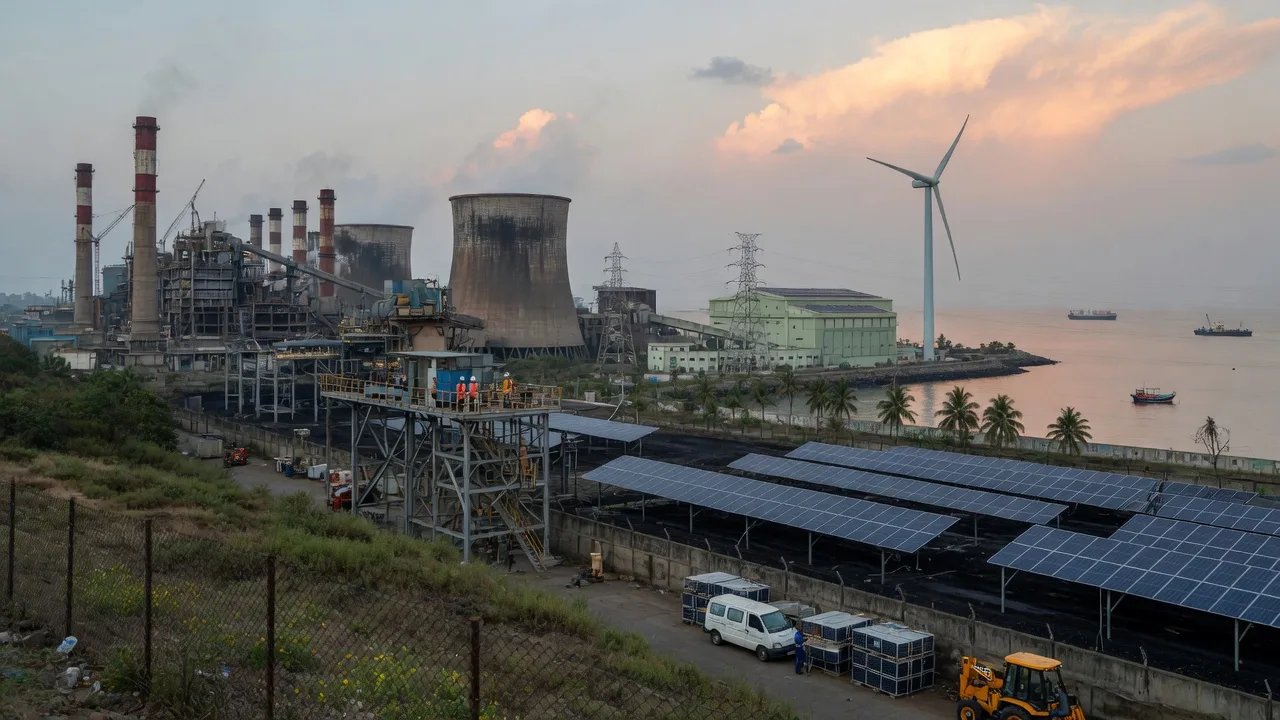
MUMBAI, For decades, the Trombay plant stood as a symbol of Tata Power's strength. Its coal-fired units lit up Mumbai. But the company is now writing a different story.
Today, Tata Power is pushing hard into renewable energy. It has built a portfolio of solar and wind projects across India. The goal: reach 70 percent of installed capacity from non-fossil fuels by 2030. That is a sharp turn from a past built on coal.
The company operates over 14,000 megawatts of total capacity. Of that, about 5,500 megawatts comes from clean sources. It plans to add another 10,000 megawatts of renewables in the next five years. That means building new solar parks, wind farms, and hybrid projects.
But the shift is not just about generation. Tata Power is also changing how electricity reaches homes. It runs distribution networks in Mumbai, Delhi, and Odisha. In Odisha, it took over four state-run utilities and cut power losses sharply. The company says it reduced aggregate technical and commercial losses from over 40 percent to under 20 percent in some circles.
"Distribution is the backbone of the energy transition," said a company official, speaking on background. "Without fixing the grid, you can't add more renewables."
Rooftop solar and EVs
Tata Power is betting big on rooftop solar. It has installed systems on over 200,000 homes and businesses. The company offers financing and handles permits. It wants to reach 1 million rooftop connections by 2026.
The electric vehicle business is another piece of the puzzle. Tata Power runs over 5,000 public charging points across the country. It has tied up with automakers, malls, and highway operators. The company says it aims to build a network of 25,000 chargers by 2027.
That push matters because India's EV market is still small. Less than 5 percent of new vehicle sales are electric. But the government wants that number to hit 30 percent by 2030. Charging infrastructure remains a bottleneck. Tata Power is trying to fix that.
Coal's slow retreat
Coal is not gone. Tata Power still runs thermal plants, including Trombay and a large unit in Mundra, Gujarat. These plants supply steady power when the sun does not shine or the wind does not blow. The company says it will phase down coal gradually, not abruptly.
"We cannot switch off coal overnight," the official said. "It would hurt the grid and the economy."
Environmental groups have criticized Tata Power for not moving faster. Greenpeace India has called for a clear coal exit timeline. The company has not set a date for shutting its last coal plant.
Still, the direction is clear. Tata Power has stopped building new coal plants. All new capacity is solar, wind, or storage. It is also investing in green hydrogen and pumped hydro storage.
Financing the transition is a challenge. The company has raised money through green bonds and loans. It spent about ₹12,000 crore on clean energy projects in the last two years. It plans to spend another ₹60,000 crore by 2027.
That money will go into solar manufacturing too. Tata Power runs a solar cell and module factory in Bengaluru with a capacity of 4 gigawatts. It is expanding to 6 gigawatts. The company wants to supply its own projects and sell to others.
From Trombay to tomorrow, the path is not straight. But Tata Power is moving. The old coal plant still stands. The new solar farms are rising. India's energy transition is happening, one megawatt at a time.
Comments
Be the first to comment.
Leave a comment