
Illinois farmer John Dollinger hosts 10 wind turbines on 800 acres, payments started at $10,000
The Dollinger family's wind energy lease in Illinois began with $10,000 payments, offering a look at how rural landowners earn from wind farms.
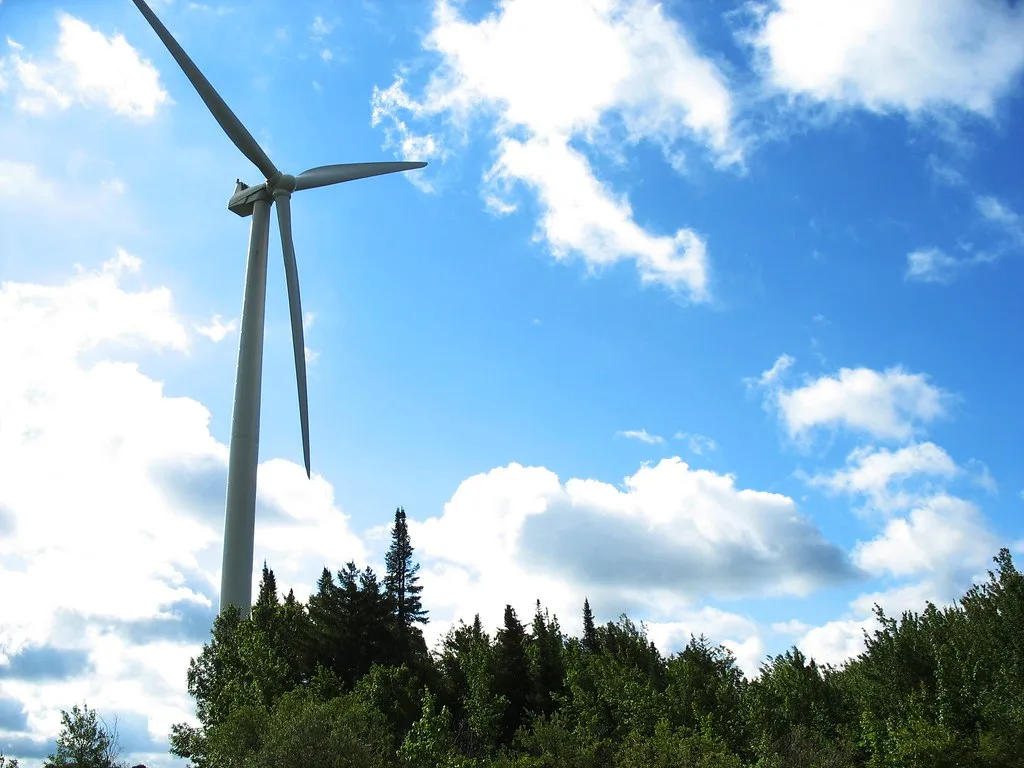
John Dollinger's family has 10 wind turbines on their 800-acre farm in Illinois. The payments started at $10,000. That's according to a report by The Times of India.
The arrangement is a common one in the US Midwest, where wind developers lease land from farmers for turbine placement. The Dollingers are among thousands of rural landowners who host turbines alongside crops or livestock.
Details on the payment structure, the wind farm operator, and the exact location in Illinois weren't immediately available. The Times of India report didn't specify whether the $10,000 was per turbine, per year, or a total starting figure. It also didn't say when the payments began or how they might escalate over time.
Wind energy has grown steadily in Illinois over the past decade. The state ranks among the top in the US for installed wind capacity, with most projects sited on farmland. For farmers, lease payments can provide a steady income stream that helps offset swings in crop prices and weather-related losses.
But wind farms also stir debate. Some rural residents raise concerns about noise, shadow flicker, and impacts on property values. Others welcome the tax revenue and lease income. In Illinois, county boards have sometimes clashed over zoning rules for new projects.
The Dollinger case offers a concrete example of the financial terms a family can secure. Payments beginning at $10,000 suggest a modest but meaningful supplement to farm income. For a 800-acre operation, that's roughly $12.50 per acre in the first year, though the actual per-turbine or per-acre calculation isn't clear from the report.
Wind lease agreements typically run 20 to 30 years, with options for extensions. Payments often start lower and rise over time, or include upfront bonuses. They may also be tied to the amount of electricity generated. Without more details, the Dollinger deal can't be fully compared to others.
Still, the headline number gives a sense of what's at stake. For many farmers, hosting a few turbines can mean the difference between holding onto the family land and selling it. The Dollingers chose to host 10.
The Times of India published the report on October 2, 2026. It did not include comments from John Dollinger or the wind company involved.
Source: The Times of India · 2 Oct 2026
Comments
Be the first to comment.
Leave a comment